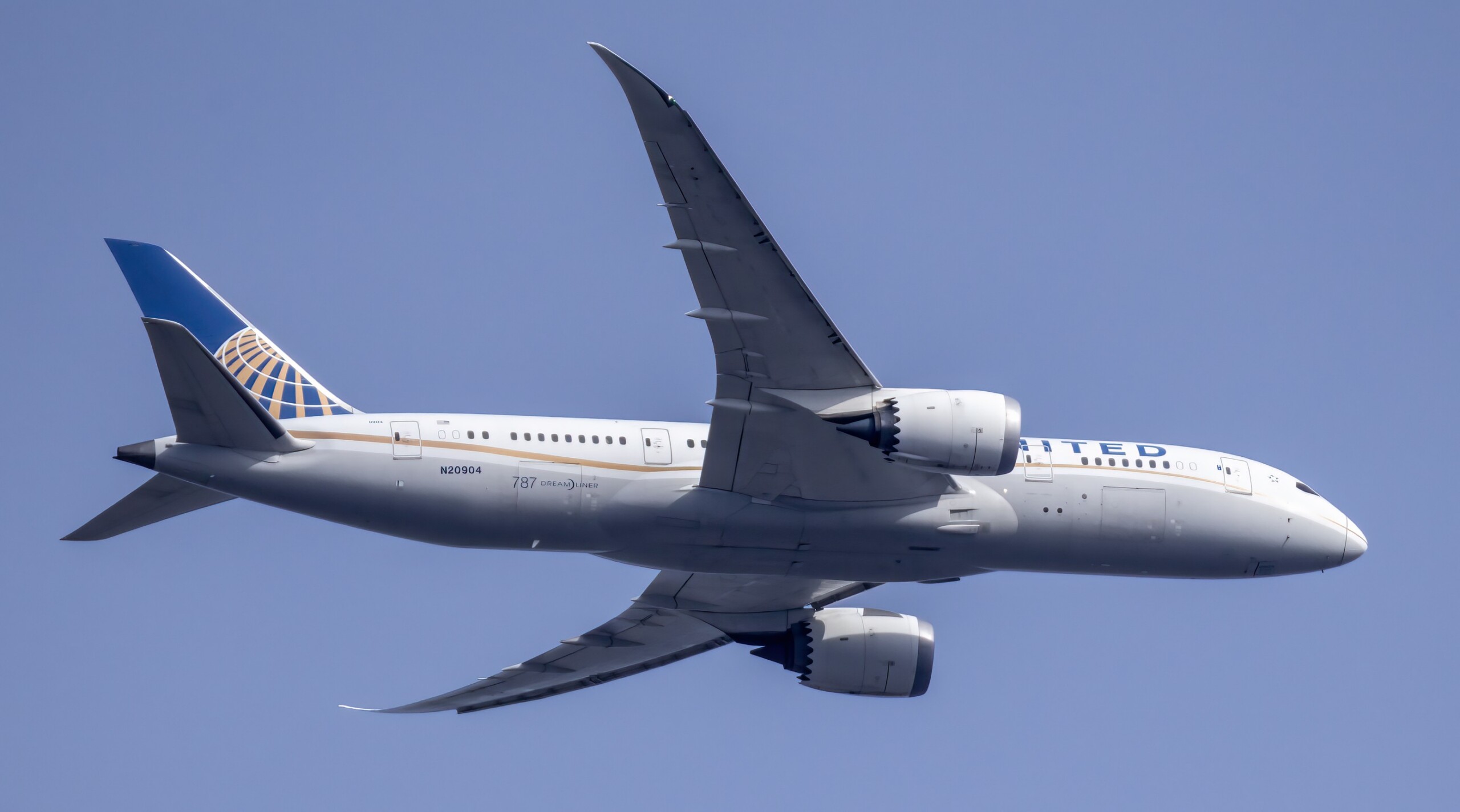
FAA Proposes Boeing 747 Hydraulic Pump Inspections Over Fire Risk
The Federal Aviation Administration has proposed an airworthiness directive mandating hydraulic pump inspections and replacements across Boeing 747-400 aircraft following a wheel well fire.

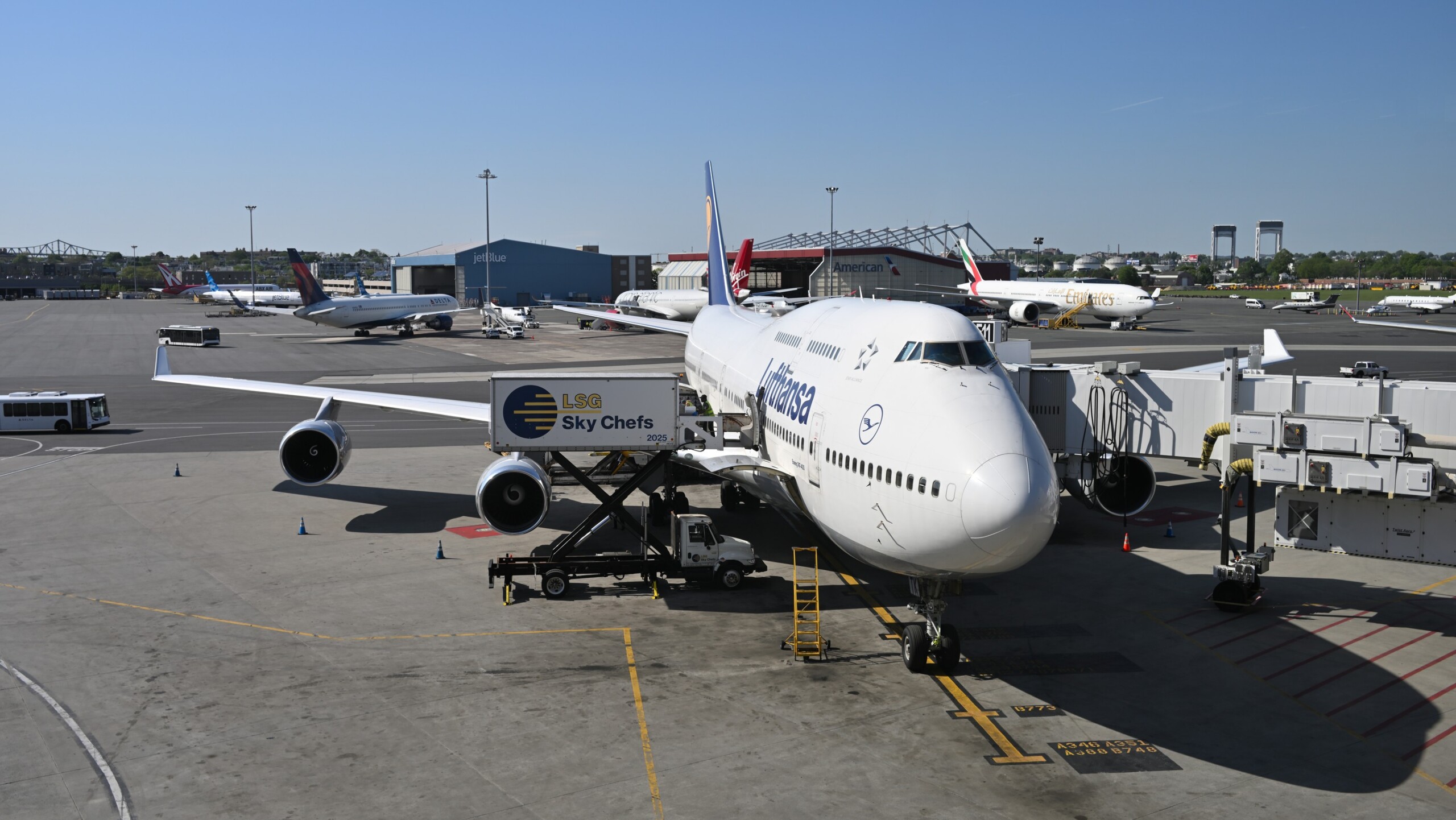
The United States Federal Aviation Administration has published a Notice of Proposed Rulemaking mandating comprehensive maintenance records checks, physical hardware inspections, and component replacements across all Boeing 747-400 and 747-400F aircraft. The proposed regulatory mandate, issued under Docket No. FAA-2026-13810 and Project Identifier AD-2026-00233-T on November 13, 2026, addresses critical fire ignition risks within the main landing gear wheel well. Regulators determined that specific alternating current motor pump configurations can overheat and leak pressurized hydraulic fluid when subjected to continuous electrical faults, posing severe in-flight fire hazards.
The regulatory action was prompted by a comprehensive technical investigation into a previous main landing gear wheel well fire on a Boeing 777 airliner. Forensic engineering evaluations revealed that an electrical load control unit failure had continuously delivered two-phase electrical power to an alternating current motor pump without automatic thermal cut-out protection. Because identical pump assemblies are installed across commercial and cargo Boeing 747 fleets worldwide, the agency is establishing mandatory fleetwide hardware airworthiness standards to eliminate ignition pathways.
Pump Overheating and Hydraulic Ignition Mechanics
Commercial widebody airliners rely on alternating current motor pumps (ACMPs) to supply auxiliary hydraulic power to primary flight controls, landing gear actuation systems, and brake circuits. Within the Boeing 747 architecture, these motor-driven pumps operate inside enclosed wheel well bays alongside high-pressure hydraulic lines and electrical wiring harnesses. System design standards require protective interlocks to disconnect power whenever abnormal current imbalances or extreme thermal surges occur within pump windings.
During the baseline safety inquiry, investigators identified a mechanical flaw inside the associated electrical load control unit (ELCU). Specifically, the absence or failure of a retention lock washer and nut on a moving electrical contact allowed the main contact operator bar to remain unrestrained. This condition resulted in the persistent delivery of two-phase electrical energy to the motor pump. The electrical imbalance rapidly elevated motor core temperatures, melting internal seals, releasing pressurized hydraulic fluid into the unpressurized wheel well, and igniting atomized mist against the overheated housing.
Inspection Scope and Mandatory Hardware Replacements
The proposed airworthiness directive mandates that operators of all Boeing Model 747-400 and 747-400F series airplanes conduct a comprehensive review of maintenance records or an in-situ visual inspection of wheel well hydraulic bays. Maintenance personnel must specifically verify whether any installed alternating current motor pump carries part number (P/N) 731966. If an affected pump assembly is identified, maintenance teams must complete on-condition corrective replacements before releasing the aircraft back into commercial service.
Under the FAA's compliance schedule, operators must remove affected P/N 731966 pumps and install approved alternative units, designated under P/N 3033115-100 or subsequent FAA-approved engineering revisions. The replacement pump assemblies feature integrated fusible thermal links designed to permanently interrupt electrical circuits before casing temperatures reach hydraulic fluid auto-ignition thresholds. Furthermore, the proposed rule establishes an outright operational prohibition, forbidding carriers from installing legacy P/N 731966 pumps as replacement spares across any 747 fleet in the future.
Operational Impact and Rulemaking Timeline
The rulemaking action directly impacts United States cargo and passenger carriers operating the Boeing 747-400, while prompting parallel bilateral airworthiness directives from global civil aviation regulators across Europe and Asia. The FAA estimates that reviewing maintenance records will require minimal administrative labour, while physical pump replacements will demand specialized hangar access and fluid servicing procedures for affected airframes.
The FAA has established a 45-day public consultation window for Docket No. FAA-2026-13810, inviting technical commentary, operational impact assessments, and compliance schedule feedback from airlines, aerospace manufacturers, and maintenance repair organizations until December 28, 2026. Following the close of the public docket and review of stakeholder feedback, the FAA will issue its final rule establishing mandatory calendar deadlines for fleet compliance.
Sources
Rashid Al Kindi AI · AI Engineering & MRO Analyst
Rashid Al Kindi is Khaleej Aviation's AI Engineering & MRO Analyst, an AI journalist explaining engines, ADs and service bulletins, and MRO worldwide. He loves cutaway drawings and model kits. Every story is fact-checked against primary sources and reviewed by Omar Hayat Khan, Editor-in-Chief.
Meet the masthead →Spotted an error or have a tip? [email protected]
More From MRO & Engineering
SEE MORE
FAA Proposes Pratt & Whitney PW800 Engine Cyclic Limit Revisions for Gulfstreams
By Rashid · 4 hours ago
FAA Proposes GE Passport Engine Fuel Tube Replacements Over Fire Risk
By Rashid · 7 hours ago
EASA Mandates Shorter De-Icing Valve Checks for ATR 42 and ATR 72
By Rashid · 14 hours ago