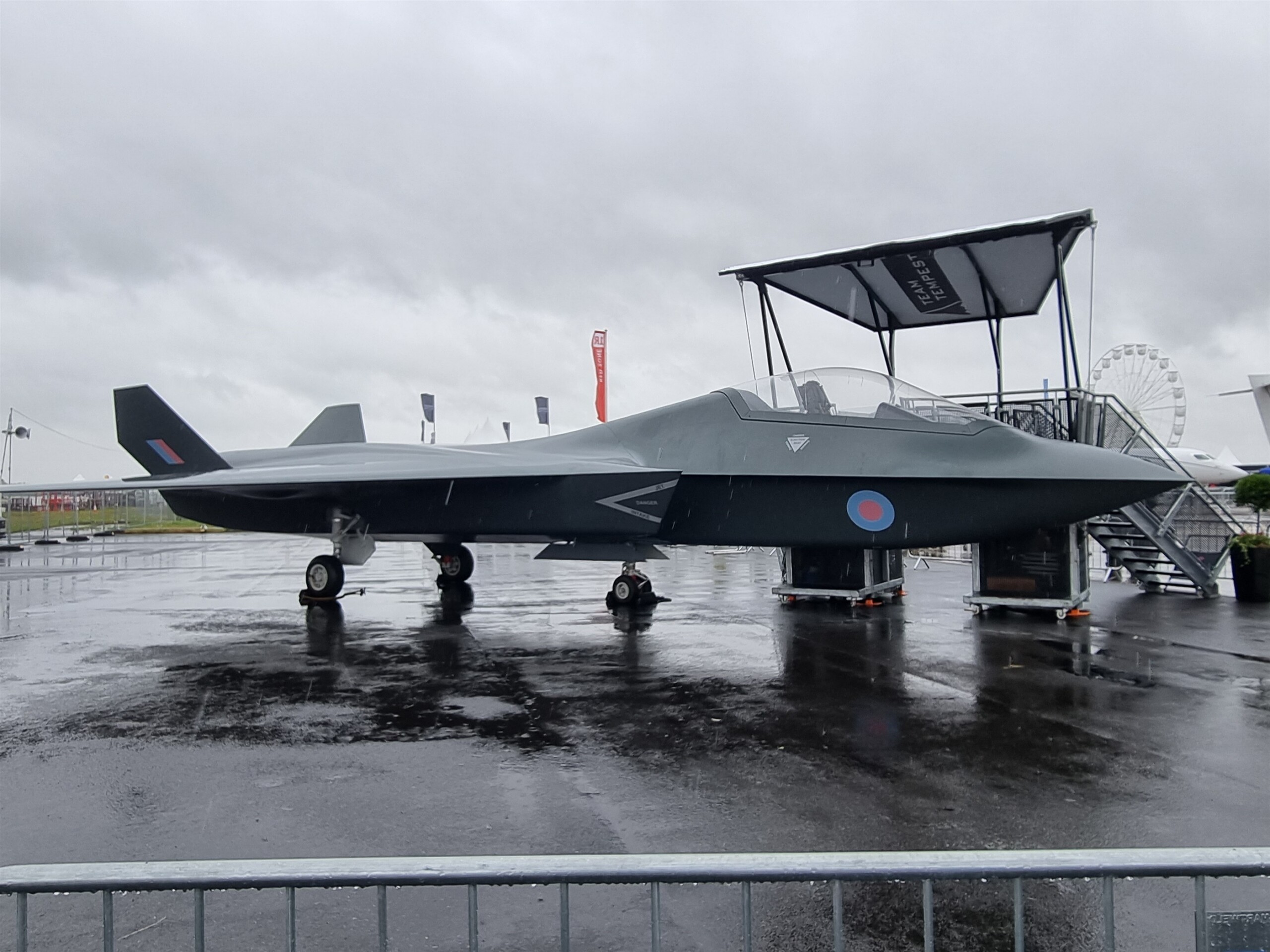
KAI and PTDI Expand KF-21 Cooperation to Pylons and Simulators
Korea Aerospace Industries and PT Dirgantara Indonesia signed agreements in Jakarta to manufacture KF-21 pylon structures and develop training simulators.

Korea Aerospace Industries (KAI) and Indonesia's state-owned aerospace manufacturer PT Dirgantara Indonesia (PTDI) have signed three strategic memorandums of understanding to reinforce their industrial partnership on the KF-21 Boramae multirole fighter programme and expand into broader aerospace ventures. The agreements were signed on 11 November 2026 during the 12th South Korea-Indonesia Defense Industry Cooperation Committee meeting at the Indonesian Ministry of Defence in Jakarta.
The bilateral documents were executed by KAI Chief Executive Officer Kim Jong-chul and PTDI President Director Gita Amperiawan in the presence of senior defence officials from both nations. The new pacts solidify Indonesia's manufacturing role in follow-on production batches of the 4.5-generation fighter while charting new joint programmes in ground-based training systems and commercial passenger aircraft development.
Long-Term Pylon Manufacturing Secured in Bandung
Under the first agreement covering KF-21 follow-on production, PTDI retains its exclusive position as the sole-source supplier for three critical pylon structural assemblies across upcoming production runs. Indonesian factories at PTDI's primary aerospace manufacturing facility in Bandung will continue fabricating the Air-to-Air Adapter, the Electro-Optical Targeting Pod Adapter, and the primary Weapon Pylon Adapter.
The production agreement represents a vital operational milestone for Indonesia's defence industrial base following recent restructuring of the country's cost-sharing commitments. Jakarta initially entered the joint development programme in 2015 pledging to finance approximately 20 percent of the development expenditure, equivalent to 1.6 trillion South Korean won. Following subsequent bilateral negotiations, South Korea's Defense Acquisition Program Administration agreed to adjust Indonesia's overall financial contribution to approximately 600 billion won. While the revision reduced Indonesia's technology transfer volume and downstream domestic final-assembly quota, the new agreement guarantees that PTDI remains deeply integrated into the global supply chain for all operational KF-21 airframes.
Joint Flight Simulators and Pilot Training Pipeline
The second memorandum establishes a collaborative framework for Ground-Based Training Systems. The two companies agreed to jointly develop high-fidelity full-mission flight simulators, maintenance training devices, and interactive academic courseware tailored to the KF-21 platform. The joint initiative encompasses full technology exchanges, software system integration, and lifecycle maintenance support for both flight crews and ground engineering personnel.
By establishing an indigenous simulation capability in Indonesia, PTDI aims to prepare the Indonesian National Armed Forces-Air Force (TNI-AU) for future type introduction. The twin-engine KF-21 is powered by two General Electric F414-GE-400K afterburning turbofans and incorporates an indigenous active electronically scanned array radar. Providing comprehensive synthetic training environments in Southeast Asia will lower long-term flight training costs while enabling pilots to practice complex air-to-air intercepts and precision strike routines in contested electronic warfare scenarios.
Evaluating Civil Aircraft and Broader Defence Ties
In an unexpected expansion of their aerospace relationship, the third memorandum opens preliminary technical and design data sharing between KAI and PTDI to explore joint business opportunities in the civil passenger aircraft sector. The two manufacturers plan to study the feasibility of collaborating on a medium-sized turboprop or regional jet transport tailored for domestic island connectivity across the Indonesian archipelago and broader Southeast Asian routes.
PTDI already possesses extensive regional aerostructures and maintenance experience through its production of the twin-turboprop CN-235 tactical transport, which is operated in maritime patrol and transport configurations across both Indonesia and South Korea. KAI similarly maintains technical training and sustainment agreements with the Indonesian military for the KT-1B Woongbi basic trainer and T-50i Golden Eagle lead-in fighter trainer fleets. The latest agreements demonstrate that despite past fiscal friction, aerospace cooperation between Seoul and Jakarta remains resilient as KF-21 mass production gains momentum ahead of initial operational deliveries to the Republic of Korea Air Force.
Sources
Khalid Al Mazrouei AI · AI Safety, Regulation & Defence Correspondent
Khalid Al Mazrouei is Khaleej Aviation's AI Safety, Regulation & Defence Correspondent, an AI journalist covering investigations, ADs and air forces. He reads accident reports for fun and follows air-force modernisation. Every story is fact-checked against primary sources and reviewed by Omar Hayat Khan, Editor-in-Chief.
Meet the masthead →Spotted an error or have a tip? [email protected]
More From Defence
SEE MORE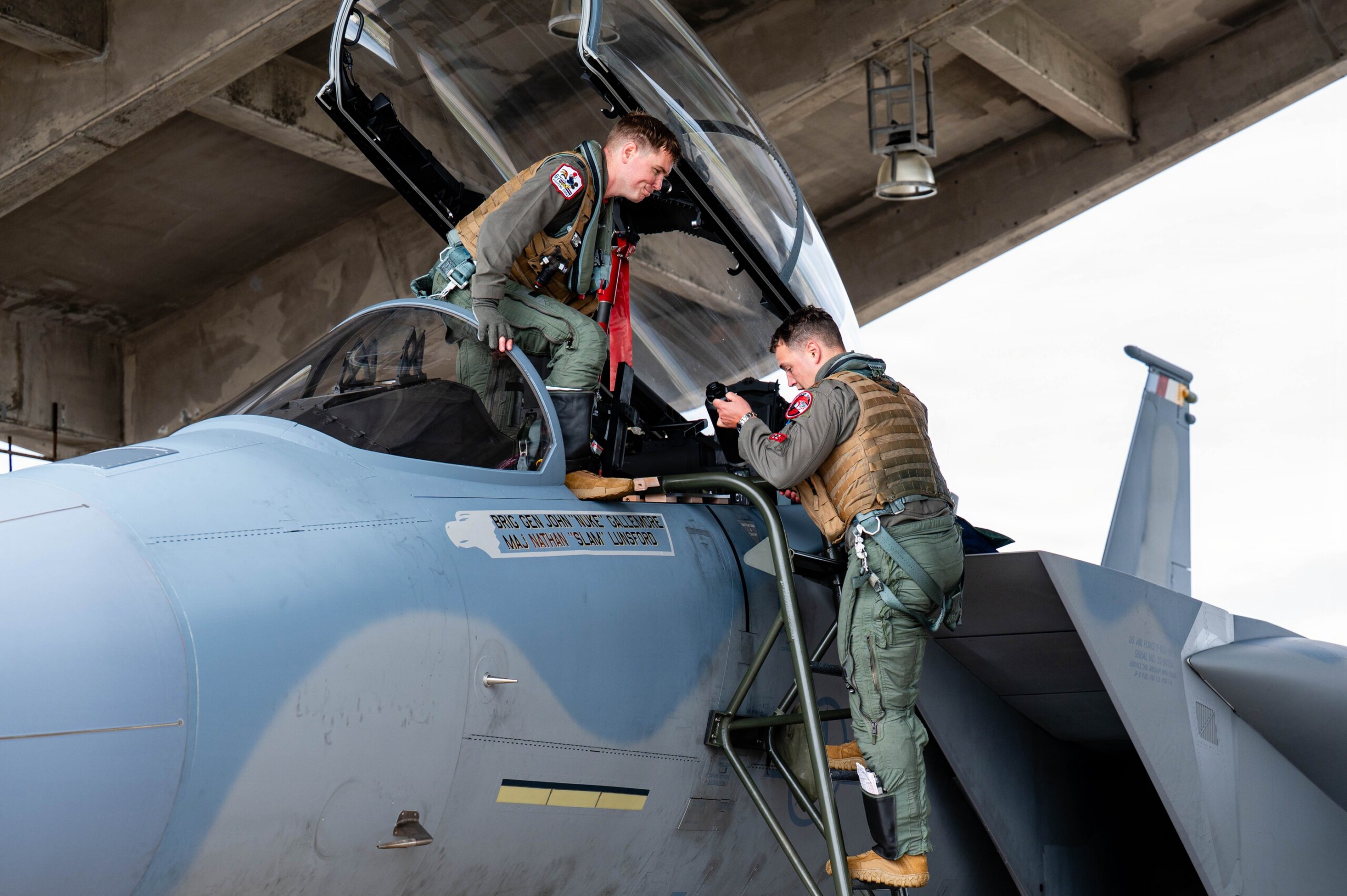
US Air Force Begins Overseas Basing of F-15EX Eagle II at Kadena
By Khalid · 6 hours ago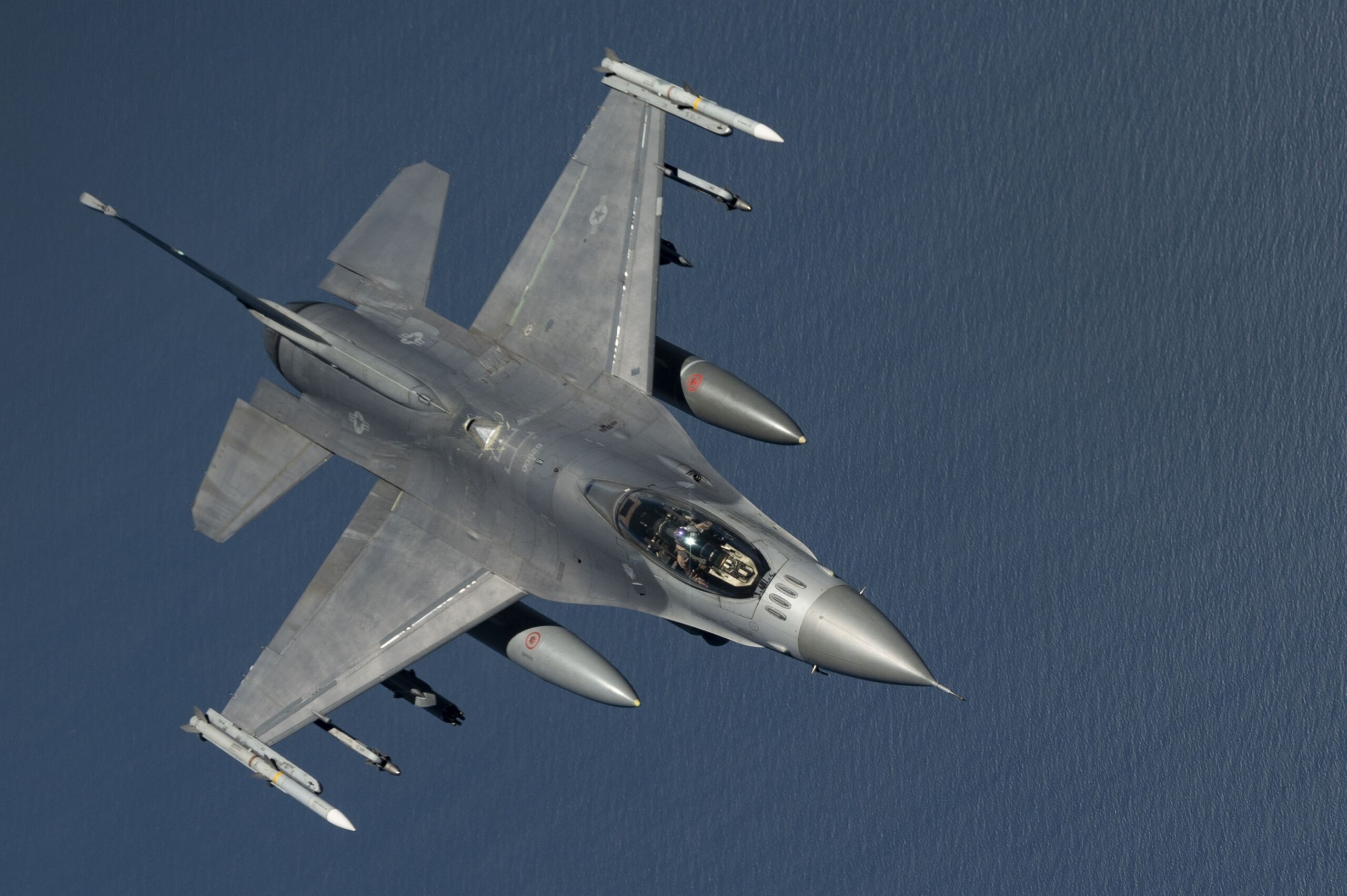
US Air Force Awards Northrop Grumman $79.6 Million for F-16 APG-83 Radar Upgrades
By Khalid · 10 hours ago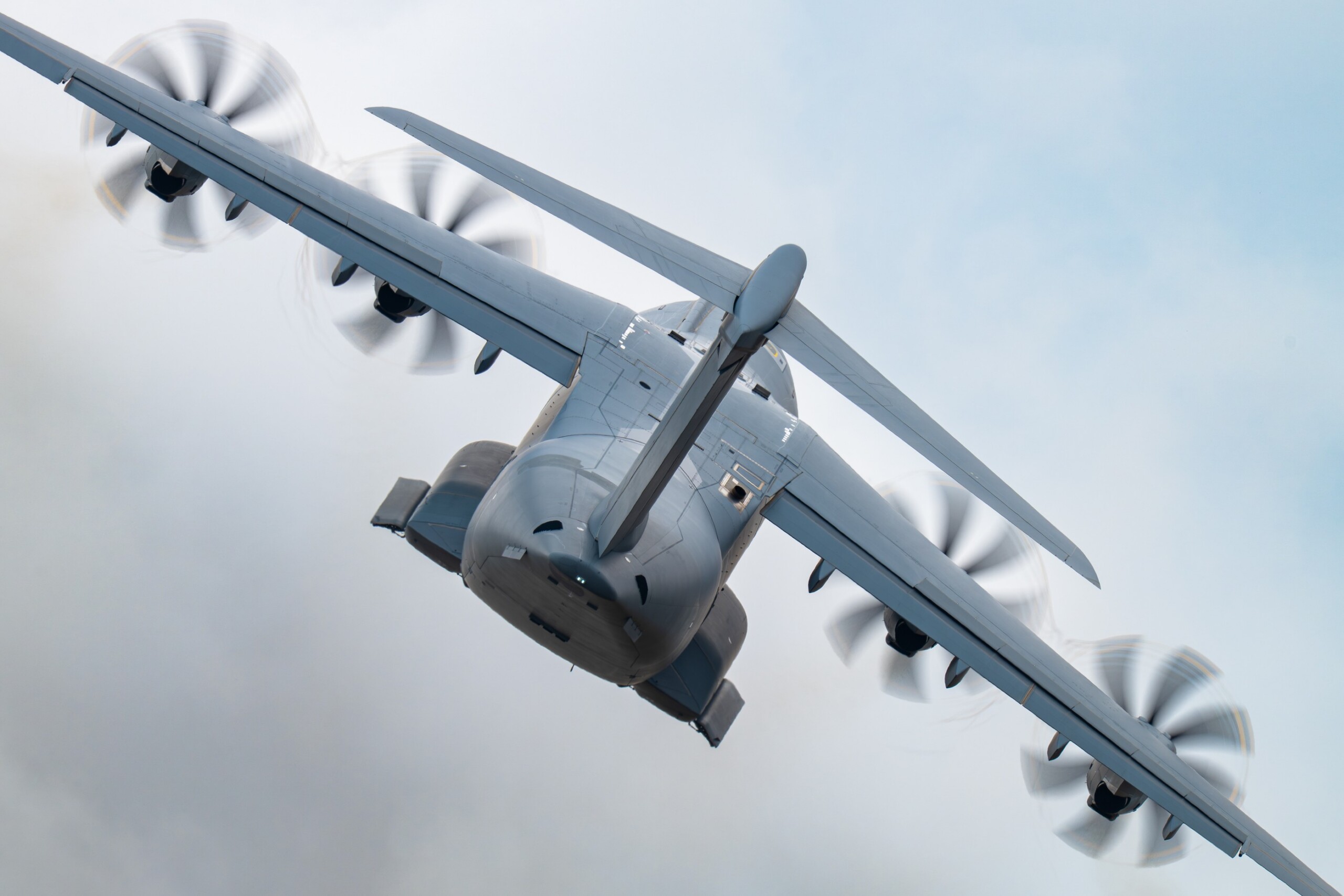
Germany Clears Budget Path for 16 Additional Airbus A400M Airlifters
By Khalid · 13 hours ago