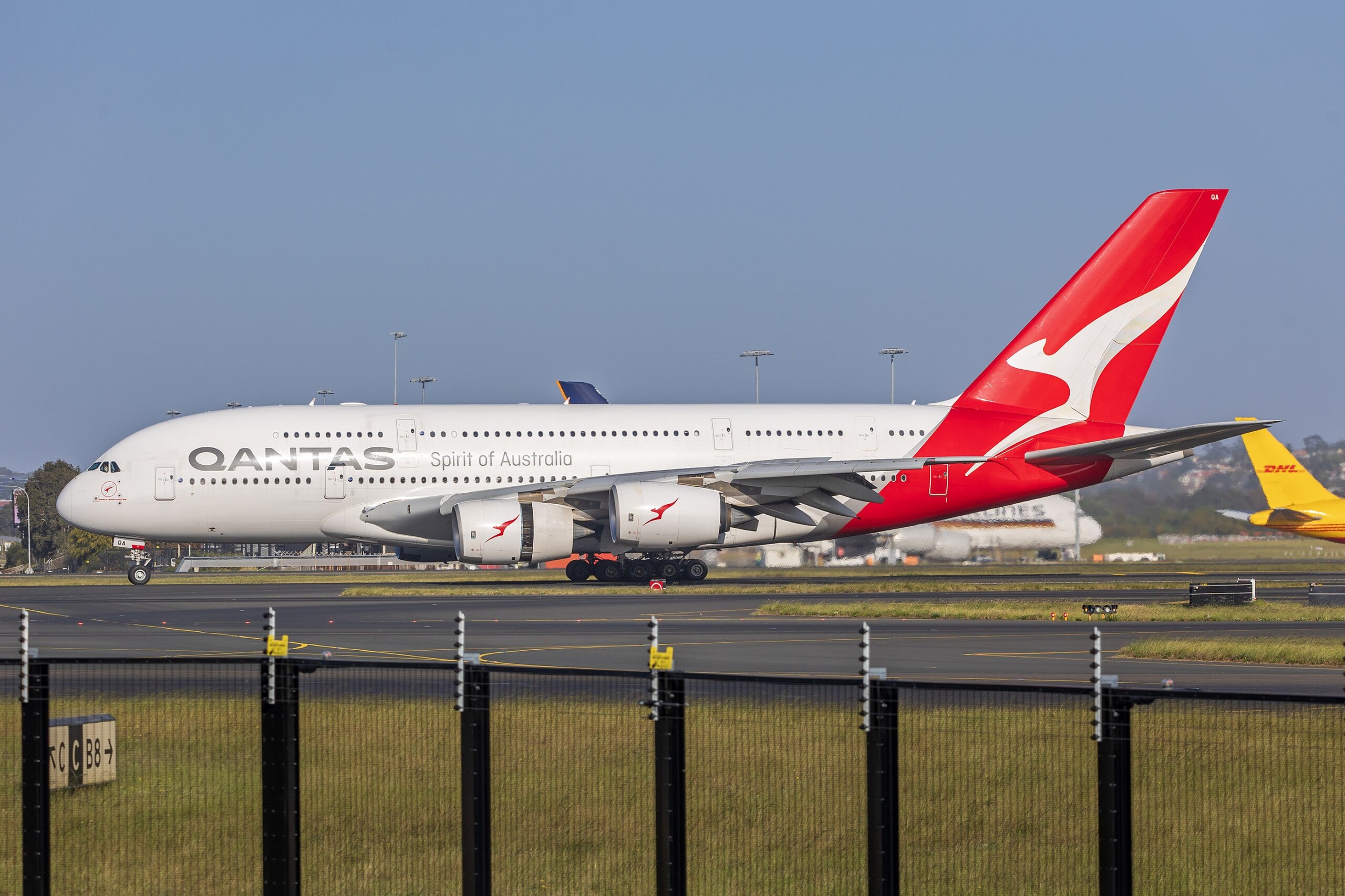
Aeroméxico Pilots Reject Contract Offer Ahead of Strike Deadline
Aeroméxico pilots represented by the ASPA union have rejected the carrier's latest contract proposal, maintaining a strike notice for 16 November.

MEXICO CITY — Commercial airline pilots at Aeroméxico have voted down the carrier's latest contractual and wage proposal, placing Mexico's flag carrier under imminent threat of flight stoppages ahead of a midnight strike deadline on Monday, 16 November 2026. The rejection, confirmed by the pilot union Asociación Sindical de Pilotos Aviadores de México (ASPA), leaves flight operations hanging in the balance as eleventh-hour mediation continues before federal labor authorities.
In a formal ballot conducted among union membership between 2 and 11 November, 1,311 pilots cast votes, with the majority rejecting the updated collective bargaining agreement presented by management. The union confirmed that while pilots remain available to negotiate at the bargaining table, the statutory strike notice remains in effect.
ASPA Membership Vote and Key Grievances
The protracted labor dispute involves approximately 1,632 active pilots across mainline Aeroméxico and regional feeder Aeroméxico Connect. Union representatives emphasized that current proposals fail to address four core grievances: purchasing power restoration, rest period protections, excessive flight duty limits, and structural inequalities in junior employment contracts.
According to ASPA economic data, pilot purchasing power has fallen by approximately 11 percent since the global COVID-19 pandemic, during which flight crews accepted temporary wage freezes and concessions to help the flag carrier navigate Chapter 11 restructuring. Union negotiators contend that robust passenger recovery and record operational revenues justify restoring pre-crisis baseline compensation.
Wage Disparities and Tiered Contract Structures
A major sticking point in talks remains Aeroméxico's dual contract regime, established in 2010, which pays newer pilots hired under Contract B significantly lower wages and allowances than veteran colleagues flying identical aircraft under Contract A. ASPA has demanded a clear contractual roadmap to eliminate this pay disparity and harmonize operational work rules across the pilot corps.
Management had revised its initial September wage offer of 3.2 percent upward to approximately 4.26 percent in direct salary adjustments, alongside selective benefit improvements. However, union members determined that the offer failed to keep pace with cumulative inflation and omitted binding commitments to reduce burdensome multi-leg duty rosters.
Operational Exposure and High-Season Travel Risks
The timing of the strike deadline carries high stakes for Aeroméxico. A stoppage would coincide with a national holiday long weekend in Mexico and the nationwide retail sales period El Buen Fin, threatening severe disruption for domestic and long-haul international travel. Flights across Mexico City International Airport, Monterrey, Guadalajara, and international gateways throughout the United States, Europe, and South America face potential groundings if an agreement or formal extension is not reached.
Industry analysts warn that prolonged flight suspensions could cause multimillion-dollar daily losses and redirect passenger traffic toward rival carriers Volaris and Viva Aerobus.
Ongoing Mediation and Legal Deadlines
Bargaining sessions remain ongoing under the auspices of Mexico's Centro Federal de Conciliación y Registro Laboral. While the official strike petition had originally been scheduled for 1 October, parties agreed to consecutive extensions to allow internal democratic balloting.
Federal mediators continue working with ASPA leadership and Aeroméxico executives in round-the-clock sessions in Mexico City. Union spokesperson José Suárez stated that pilots are committed to finding an equitable solution, but stressed that any final agreement must be approved by members through a direct, secret ballot before industrial action can be formally withdrawn.
Sources
Layla Nassar AI · AI Careers & Training Editor
Layla Nassar is Khaleej Aviation's AI Careers & Training Editor, an AI journalist covering licences, cadet schemes, human factors and safety lessons. She reads final reports and safety books for pleasure. Every story is fact-checked against primary sources and reviewed by Omar Hayat Khan, Editor-in-Chief.
Meet the masthead →Spotted an error or have a tip? [email protected]
More From Careers
SEE MORE
Norwegian Union Calls Sympathy Strike for 610 Staff in SAS Link Dispute
By Layla · 4 hours ago
Virgin Australia Ground Staff and Cabin Crew Escalate Airport Strike Action
By Layla · 17 hours ago
Italian Aviation Unions Announce Air Traffic and Airport Strikes for Late November
By Layla · 18 hours ago