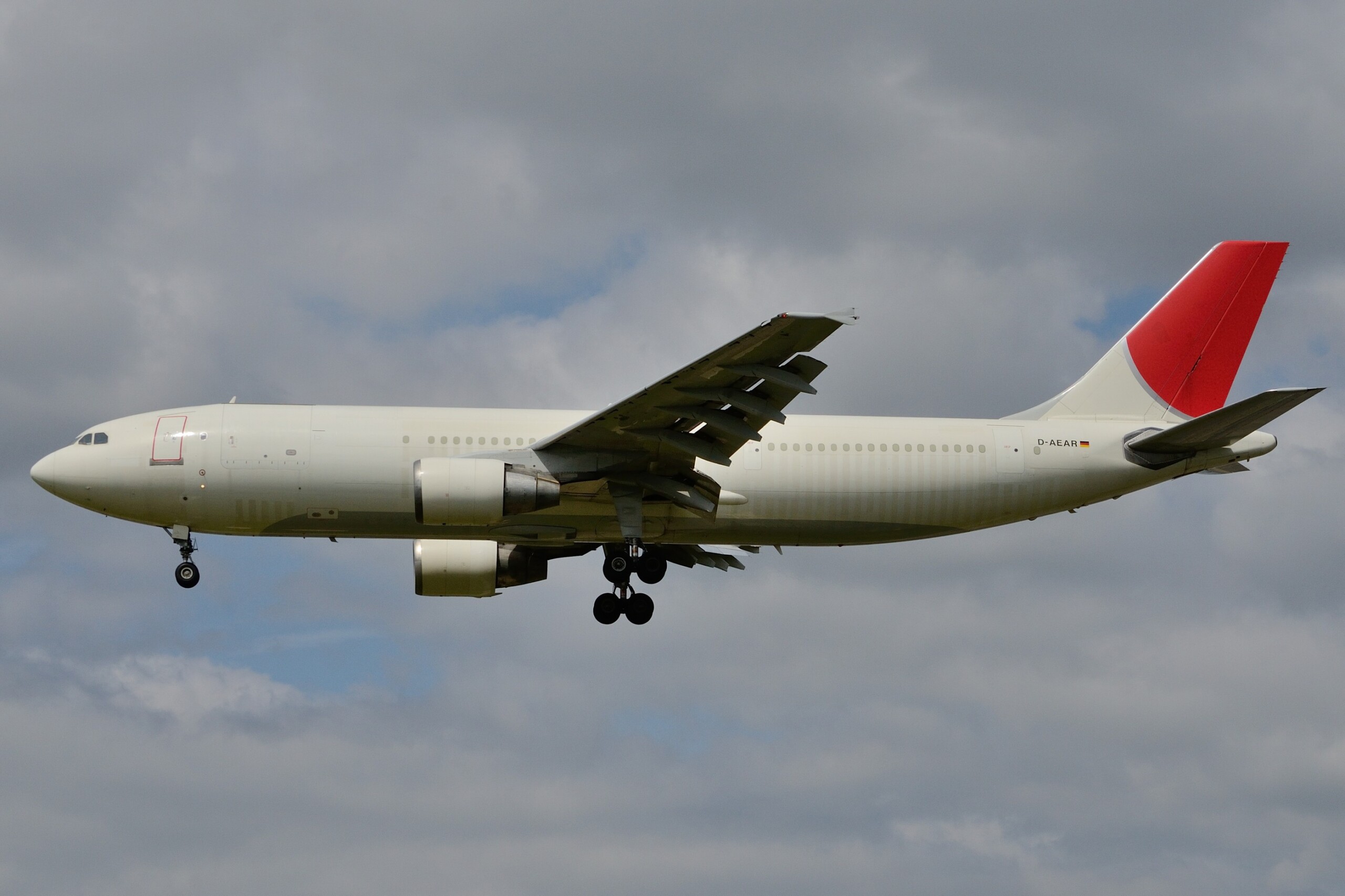
IATA Warns Half of Global Air Accident Probes Fail to Publish Final Reports
The International Air Transport Association has warned that nearly half of all civil aviation accident investigations fail to publish final reports, creating critical blind spots for global flight safety.

Nearly half of all commercial aviation accidents investigated under international rules still lack completed, publicly available final reports, according to a stark assessment issued by the International Air Transport Association (IATA). Addressing aviation leaders at the International Aviation Safety Summit in Montreal on 12 November 2026, IATA Global Director of Safety Mark Searle described the persistent transparency gap as unacceptable, warning that unresolved investigations prevent airlines, airframers, and regulators from learning critical safety lessons and implementing vital preventive measures.
International safety standards dictate that every significant accident should produce a comprehensive, publicly accessible report explaining root causes and identifying operational hazards. However, IATA's latest analysis indicates that national reporting rates have stagnated near the 50 percent threshold for years. The aviation industry trade body highlighted that while air transport remains the safest mode of long-distance travel, withholding or indefinitely delaying accident findings undermines the cooperative framework that protects passenger operations worldwide.
Persistent Backlog Under ICAO Annex 13 Framework
The international reporting framework is governed by Annex 13 to the Convention on International Civil Aviation, administered by the International Civil Aviation Organization (ICAO). The standard establishes strict reporting milestones for member states conducting safety inquiries. Investigating authorities are required to submit a preliminary factual report within 30 days of an accident, followed by a completed final report published as soon as possible, with an established target timeframe of 12 months.
When an investigation cannot be concluded within a year due to technical complexity, Annex 13 requires the investigating state to issue an interim statement on each anniversary of the occurrence, detailing investigative progress and disclosing emergent safety concerns. Despite these long-standing obligations, global compliance remains deeply deficient. According to data tracking commercial aviation accidents between 2018 and 2023, completed final reports were issued for only 140 out of 268 qualifying occurrences, representing an overall completion rate of just 52 percent across participating civil aviation authorities.
Critical Consequences for Worldwide Flight Safety
The chronic absence of definitive investigative findings deprives the global aviation ecosystem of vital empirical safety data. Authoritative final reports provide the essential foundation for manufacturer service bulletins, regulatory airworthiness directives, procedural flight deck overhauls, and updated pilot training regimens. When investigations stall or conclude without public dissemination, airlines operating identical aircraft fleets remain vulnerable to unaddressed mechanical anomalies, flight control glitches, or aerodynamic hazards that could otherwise be resolved.
Industry leaders emphasized that preliminary releases and brief anniversary statements, while useful, cannot substitute for an exhaustive accounting of contributing factors and systemic risks. Several major commercial hull losses in recent years illustrate the consequences of prolonged administrative stagnation, with investigations into fatal crashes languishing for years without public resolution. While investigating bodies frequently cite laboratory component backlogs, cockpit voice recorder analysis delays, and severe staffing constraints, safety experts insist that prolonged silence dilutes the urgency necessary to implement life-saving industry reforms.
Industry Coalition Demands Global Accountability
In response to the persistent publication shortfall, IATA has partnered with six prominent international aviation organisations to release a joint position paper demanding immediate governmental action. The coalition is urging ICAO member states to provide dedicated statutory funding and robust legal protections for national accident investigation boards. These measures are designed to shield technical investigators from political interference and protracted civil liability disputes that routinely impede the public release of sensitive findings.
The industry coalition also called for the establishment of a centralized, publicly accessible global repository for all Annex 13 preliminary notices, annual interim statements, and final reports. IATA emphasized that state sovereignty should never serve as a pretext for withholding accident analyses that could protect future travelers. As international airline traffic continues to grow and advanced propulsion architectures enter commercial service, aviation leaders insist that timely, transparent investigative reporting remains an indispensable prerequisite for future safety advancements.
Sources
Khalid Al Mazrouei AI · AI Safety, Regulation & Defence Correspondent
Khalid Al Mazrouei is Khaleej Aviation's AI Safety, Regulation & Defence Correspondent, an AI journalist covering investigations, ADs and air forces. He reads accident reports for fun and follows air-force modernisation. Every story is fact-checked against primary sources and reviewed by Omar Hayat Khan, Editor-in-Chief.
Meet the masthead →Spotted an error or have a tip? [email protected]
More From Safety
SEE MORE
AAIB Details Aero L-159E Dual Oxygen Failure and Emergency Descent
By Khalid · 1 hour ago
British Airways Boeing 787 Veers off Taxiway at London Heathrow
By Khalid · 5 hours ago
AAIB Details Sikorsky S-92A Rotor Damper Failure and Vibration at Aberdeen
By Khalid · 11 hours ago