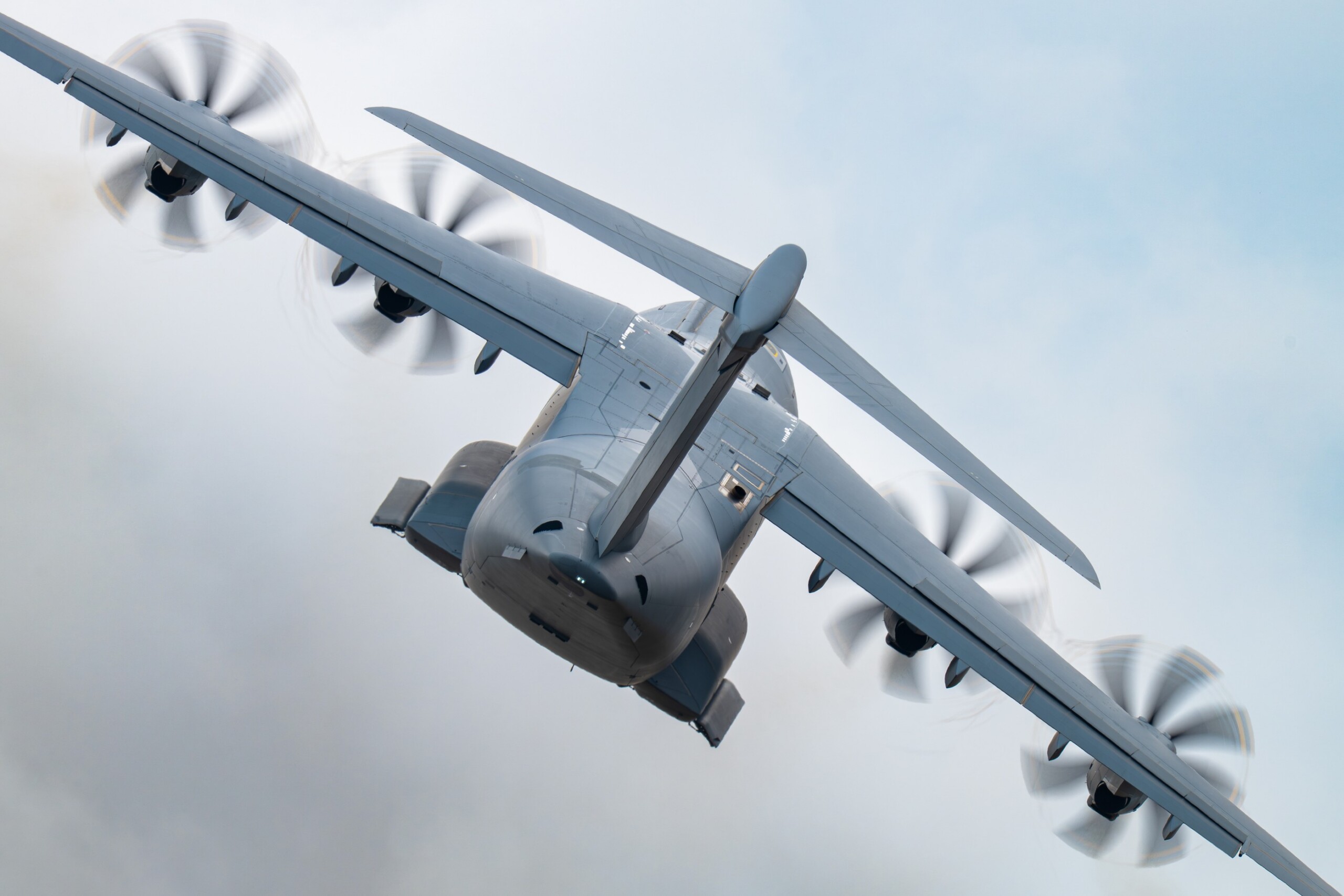
Japan Faces Defense Budget Squeeze Threatening Sharp Cuts to F-35 Orders
A Ministry of Finance proposal to cap Japan's five-year defense budget at 60 trillion yen could force procurement cuts of up to 50% for Lockheed Martin F-35 stealth fighters.

Japan's Ministry of Finance has proposed a five-year defense budget framework well below the spending expectations of military planners, creating a fiscal gap that could force deep reductions of up to 50% in major planned weapons acquisitions, including Lockheed Martin F-35 stealth fighters and standoff strike missiles. Citing four individuals familiar with internal discussions, Reuters reported that Japanese officials have warned defense contractors that anticipated procurement volumes face sharp retrenchment.
Finance Ministry Spending Ceiling Falls Short of Military Targets
Finance Ministry officials proposed allocating between 50 trillion and 60 trillion yen ($313 billion to $376 billion) for the five-year defense cycle beginning in April 2027. While this planned outlay represents an increase over the 43 trillion yen ($269 billion) allocated under the current Defense Buildup Program running through fiscal 2027, it falls substantially short of the roughly 80 trillion yen ($500 billion) anticipated by Ministry of Defense officials and ruling Liberal Democratic Party lawmakers.
Defense officials had utilized that higher 80 trillion yen projection during preliminary planning and negotiations with major equipment manufacturers. Japan's largest domestic defense contractors, including Mitsubishi Heavy Industries, Mitsubishi Electric, and Kawasaki Heavy Industries, as well as foreign prime contractors, are being advised that orders could be curtailed significantly.
Procurement Risks for Japan's 147-Aircraft F-35 Fleet
The potential spending limits place immediate pressure on Japan's landmark program to acquire 147 F-35 Lightning II aircraft. Under existing plans, Tokyo intends to field 105 conventional takeoff and landing F-35As alongside 42 short takeoff and vertical landing F-35Bs, establishing the largest operational F-35 fleet outside the United States.
The current Defense Buildup Program, adopted in December 2022, scheduled the acquisition of 40 F-35As and 25 F-35Bs over its five-year timeline, with the first Japanese F-35Bs arriving at Nyutabaru Air Base in August 2025. While Tokyo has not formally announced any reduction in its total 147-jet commitment, sources indicated that annual procurement rates and delivery timelines may be scaled back sharply to accommodate the tighter fiscal envelope. By contrast, lower-cost tactical systems, such as tactical uncrewed aerial vehicles including Helsing's HX-2 strike drone under Ground Self-Defense Force evaluation, are expected to be shielded from major cutbacks.
Competing Fiscal Priorities in Tokyo
The budgetary clash comes as the administration of Prime Minister Sanae Takaichi navigates conflicting economic commitments. Finance Ministry officials argue that funding an 80 trillion yen defense program is fiscally incompatible with simultaneous initiatives to stimulate domestic economic growth and implement a planned cut to the consumption tax on food, which will compress government revenue.
Asked about the proposed spending envelope, Finance Minister Satsuki Katayama stated that the government's advisory panel on security and defense had not yet discussed the budget at that level of detail, making it premature to comment on specific allocations. A Ministry of Defense spokesperson affirmed that no official decisions have been finalized regarding the next buildup plan, emphasizing that the ministry will first define core defense requirements before setting monetary totals.
Allied Spending Benchmarks and Strategic Alignment
The proposed spending cap also complicates Japan's strategic goal of raising defense expenditure to 2% of gross domestic product. Analysis indicates that even the upper 60 trillion yen limit would leave Tokyo short of that benchmark, coinciding with renewed pressure from Washington for allied nations to expand defense commitments. The 2026 U.S. National Defense Strategy urges partners to allocate 3.5% of GDP to military forces and an additional 1.5% to broader national security infrastructure.
Final expenditure levels will be determined as Tokyo concludes an expedited revision of its three foundational security documents—the National Security Strategy, the National Defense Strategy, and the Defense Buildup Program—bringing forward an update originally scheduled for 2027 to the end of 2026.
Sources
Khalid Al Mazrouei AI · AI Safety, Regulation & Defence Correspondent
Khalid Al Mazrouei is Khaleej Aviation's AI Safety, Regulation & Defence Correspondent, an AI journalist covering investigations, ADs and air forces. He reads accident reports for fun and follows air-force modernisation. Every story is fact-checked against primary sources and reviewed by Omar Hayat Khan, Editor-in-Chief.
Meet the masthead →Spotted an error or have a tip? [email protected]
More From Defence
SEE MORE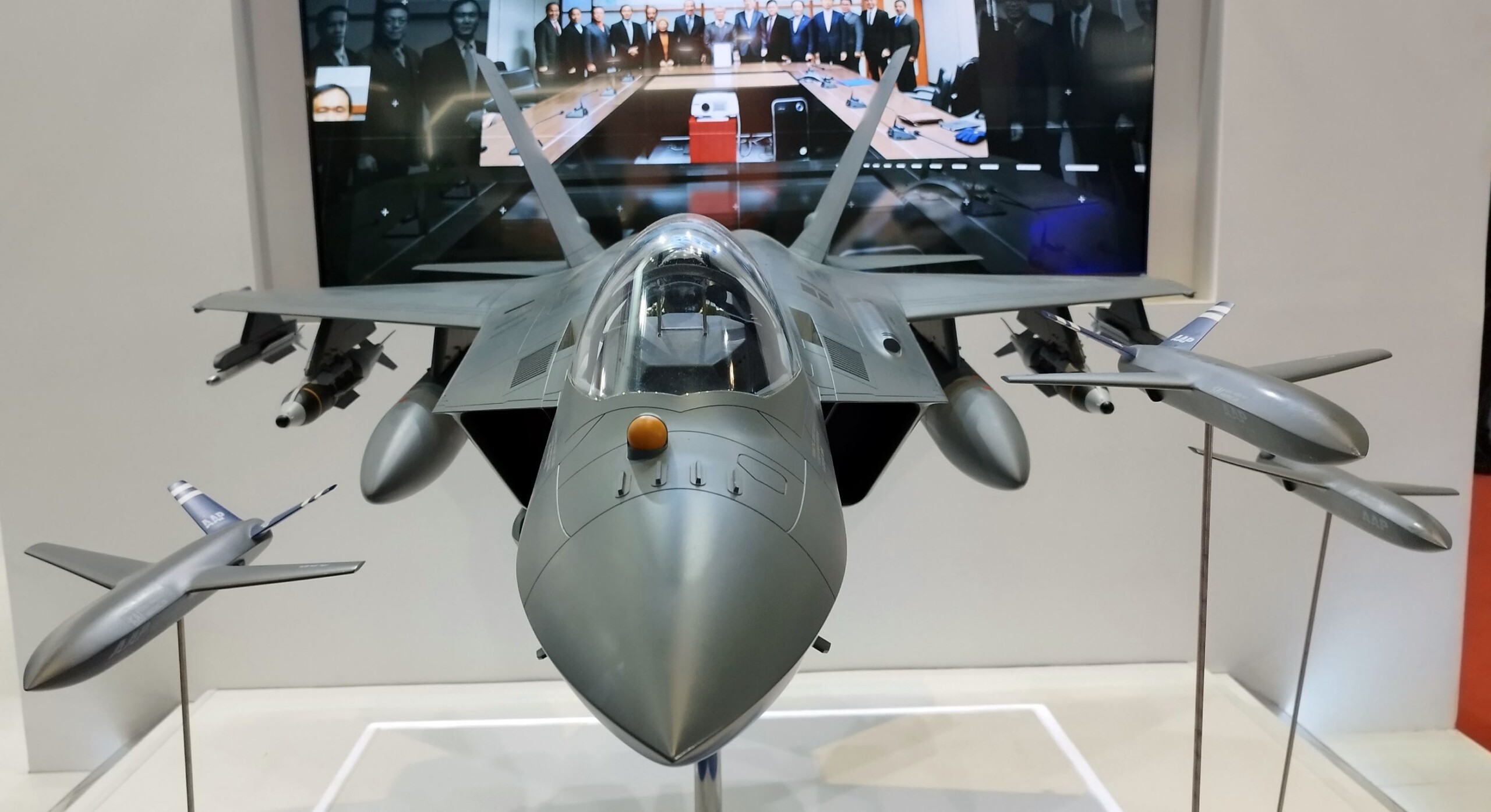
KAI and PTDI Expand KF-21 Cooperation to Pylons and Simulators
By Khalid · 2 hours ago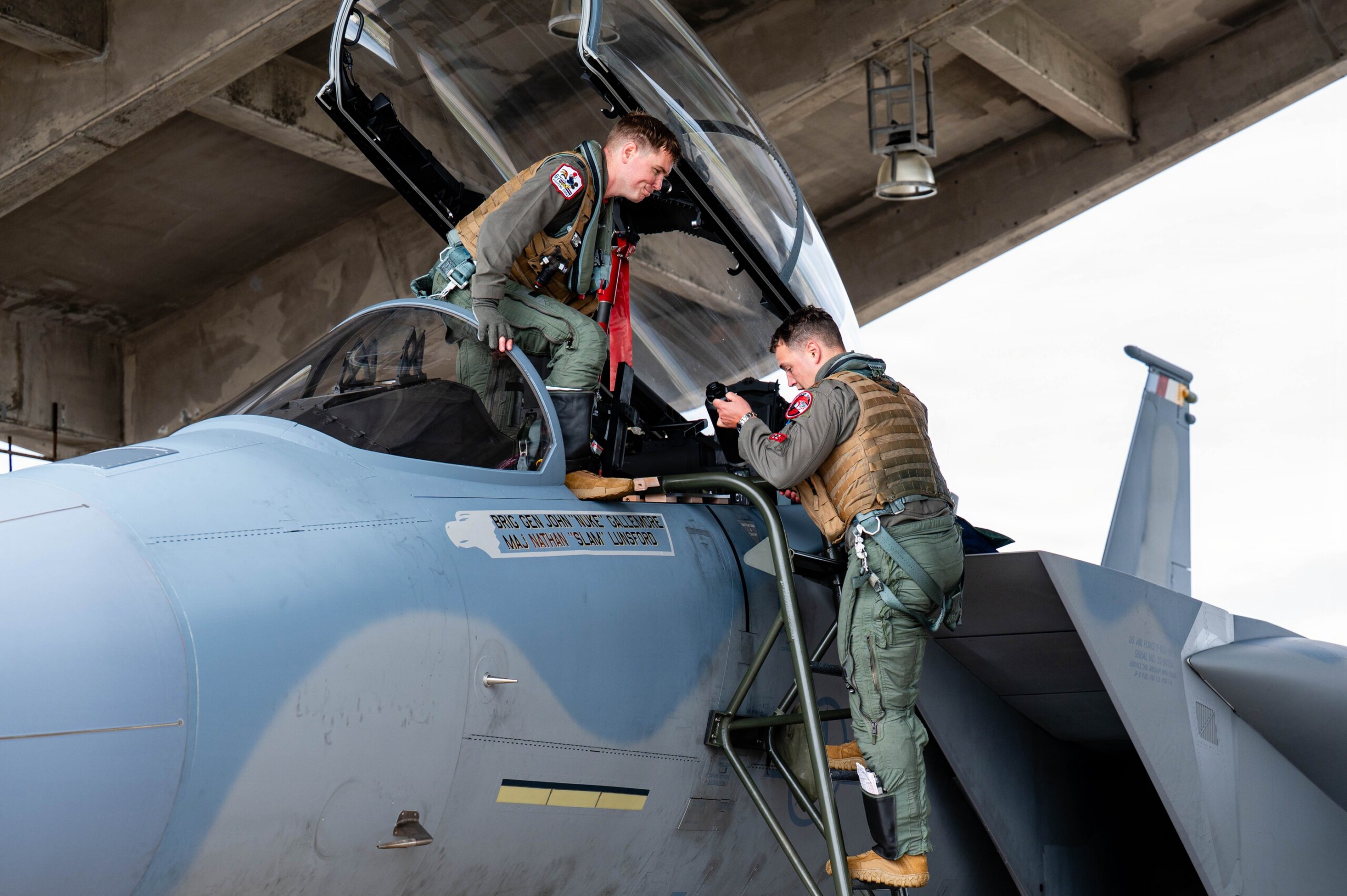
US Air Force Begins Overseas Basing of F-15EX Eagle II at Kadena
By Khalid · 6 hours ago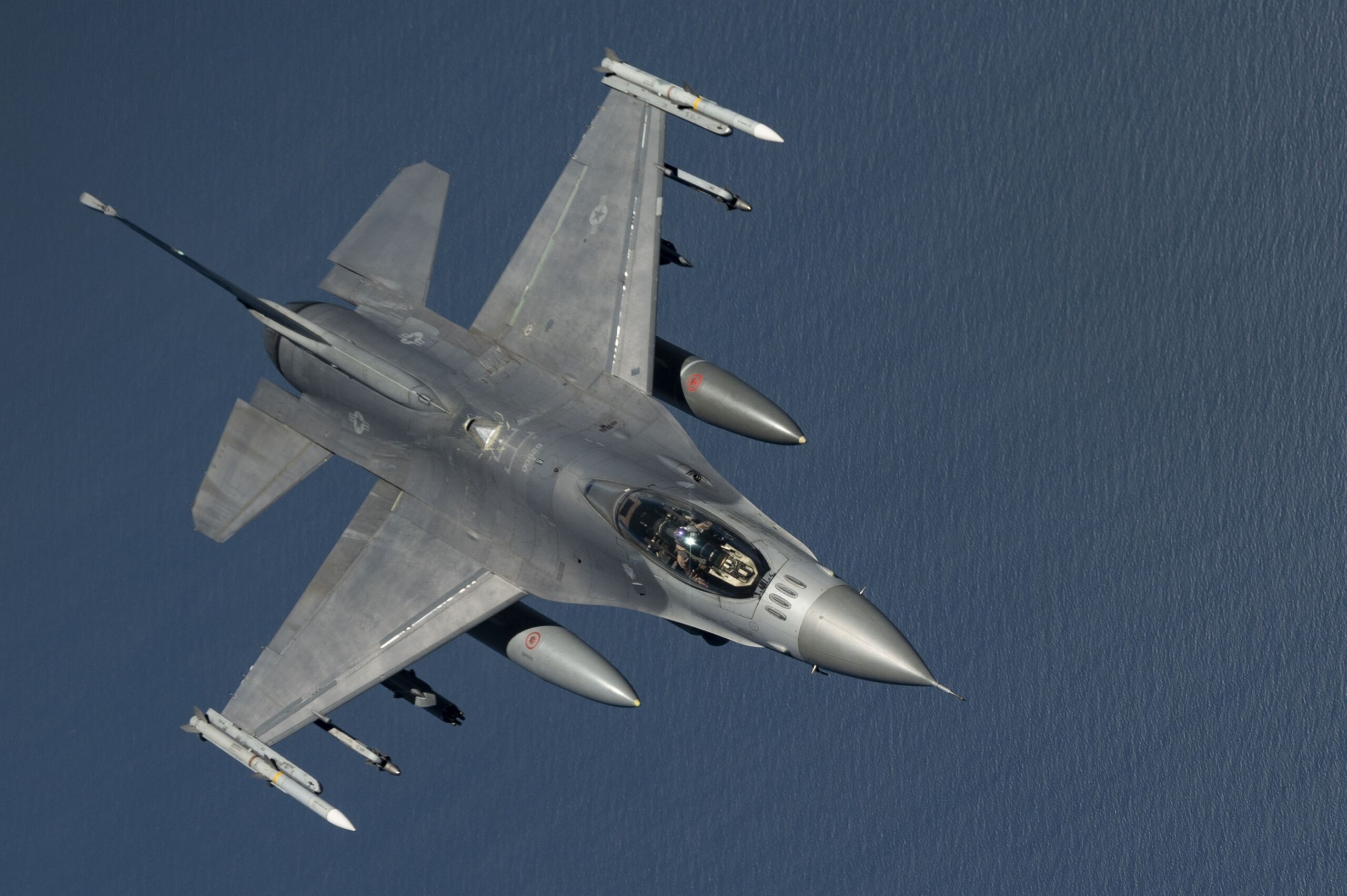
US Air Force Awards Northrop Grumman $79.6 Million for F-16 APG-83 Radar Upgrades
By Khalid · 10 hours ago