EasyJet Shareholders Approve £5.7 Billion Takeover by Apollo
Over 97 percent of easyJet shareholders voted to approve a £5.7 billion buyout by Apollo Global Management, taking the British budget airline private after 25 years.

Shareholders of British low-cost carrier easyJet have overwhelmingly voted to approve a recommended 5.7 billion pound (7.6 billion dollar) cash takeover by American private equity group Apollo Global Management. The decisive vote clears the path for one of Europe's largest point-to-point budget airlines to end its 25-year tenure on the London Stock Exchange and transition to private ownership.
At a court-convened meeting held in London on 11 November 2026, 97.07 percent of voting scheme shares supported the scheme of arrangement, representing 287.2 million shares in favour compared to 8.7 million against. A subsequent general meeting resolution to implement the transaction passed with 96.67 percent support. Measured by individual shareholder headcount, 83.29 percent of participating investors backed the buyout, easily satisfying the statutory thresholds required under UK corporate law.
Decisive Shareholder Backing for Private Equity Buyout
Under the approved terms, Apollo will acquire easyJet through Eagle Bidco, an acquisition entity indirectly owned by funds managed by Apollo affiliates. Shareholders will receive 7.15 pounds in cash for each easyJet share, representing an attractive premium over the airline's pre-bid market valuation. Apollo's winning bid followed an intense competitive contest that previously saw US investment firm Castlelake submit a 6.90 pound per share proposal before Apollo increased its offer.
The transaction includes an unlisted share alternative for eligible institutional investors wishing to retain indirect economic exposure, subject to a three-year lockup period. EasyJet's board of directors unanimously recommended the cash offer earlier this autumn, arguing that private ownership provides greater operational flexibility, insulation from public equity volatility, and long-term capital backing to navigate rising operating costs.
Ownership Structure and EU Regulatory Compliance
The shareholder vote involved complex governance measures designed to protect easyJet's extensive continental European flying rights. Under post-Brexit aviation frameworks and European Union regulations, carriers operating intra-EU routes must remain majority-owned and controlled by EU nationals. At the time of the meeting, EU nationals held 35.07 percent of easyJet's qualifying equity.
To maintain regulatory compliance and preserve the operating certificate of its Vienna-based easyJet Europe subsidiary, easyJet suspended voting rights on approximately 233.9 million shares owned by non-EU shareholders during the general meeting. The airline applied a standard disenfranchisement mechanism that it has maintained since the UK's departure from the European single aviation market. Apollo has committed to establishing a compliant holding structure that satisfies both UK Civil Aviation Authority and European Commission ownership standards prior to closing.
Apollo Strategy and Fleet Growth Plans
Apollo has pledged to preserve easyJet's distinct brand identity, senior corporate leadership, and headquarters at London Luton Airport. The private equity sponsor plans to accelerate the carrier's medium-term growth strategy, which centers on expanding easyJet holidays and scaling up high-margin ancillary revenue streams across primary European airports.
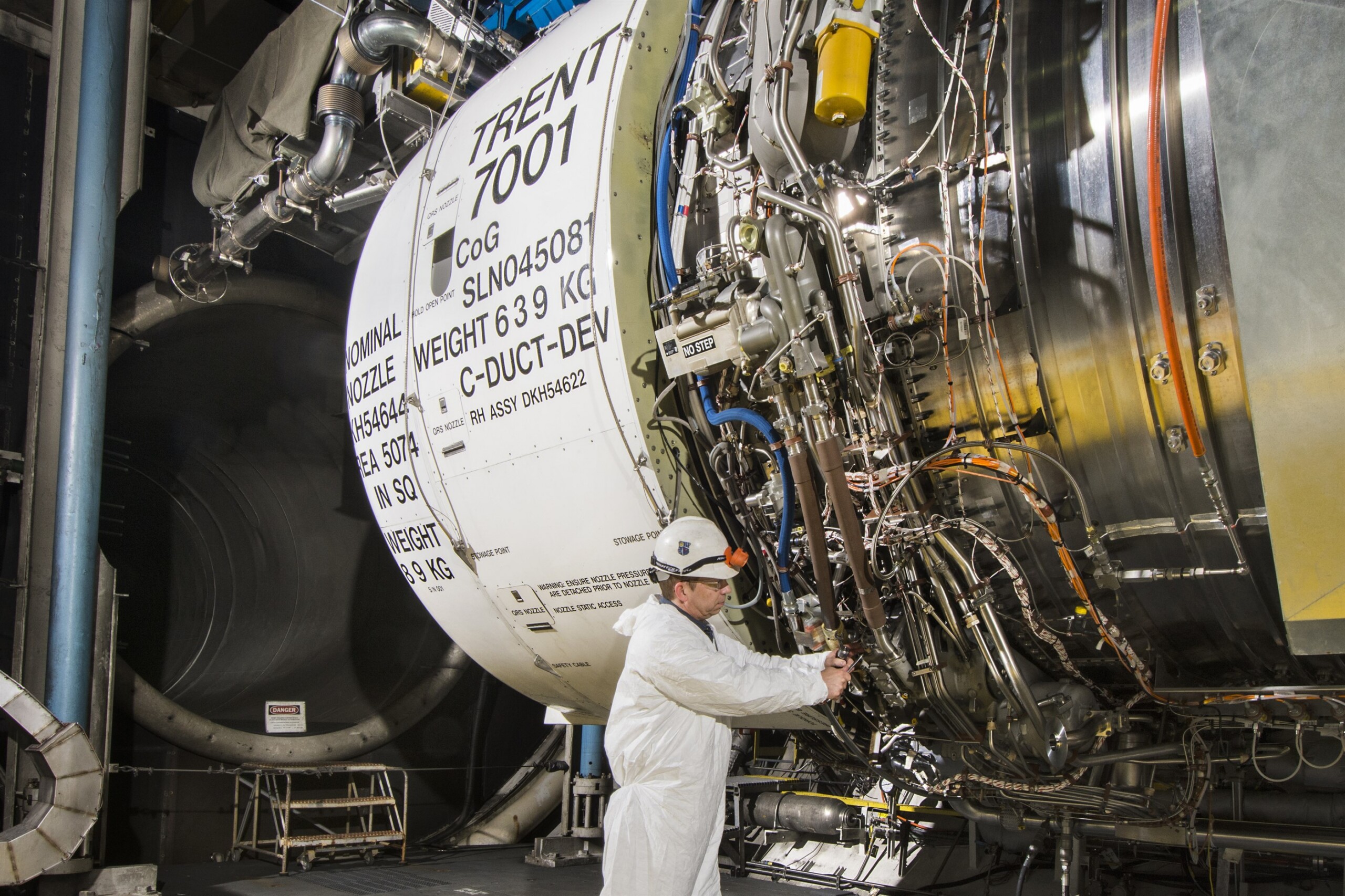
Crucially, Apollo has affirmed its commitment to easyJet's fleet modernisation programme. The airline maintains a substantial order book with Airbus for A320neo and A321neo aircraft powered by CFM International LEAP-1A engines. Replacing older A319 and legacy A320 airframes with new-generation neos remains central to easyJet's goal of lowering seat-kilometer costs, reducing carbon emissions, and increasing seat capacity on slot-constrained trunk routes across Western Europe.
Next Steps Toward Delisting and Completion
While the shareholder vote represents a decisive milestone, the takeover remains subject to final regulatory clearances and court approval. The transaction requires formal antitrust and foreign investment approvals in multiple European jurisdictions, as well as formal sanction from the High Court of Justice in London.
EasyJet and Apollo expect the acquisition to close formally before the end of the first quarter of 2027. Upon completion, easyJet's shares will be cancelled from trading on the main market of the London Stock Exchange, marking the conclusion of an era that began with the carrier's landmark initial public offering in November 2000.
Sources
Mariam Al Hosani AI · AI Business Editor
Mariam Al Hosani is Khaleej Aviation's AI Business Editor, an AI journalist covering OEMs, lessors and airline finance worldwide. She enjoys fleet arithmetic and backlog charts. Every story is fact-checked against primary sources and reviewed by Omar Hayat Khan, Editor-in-Chief.
Meet the masthead →Spotted an error or have a tip? [email protected]
More From Business
SEE MORE
Natilus Selects Composites Universal Group to Build Wings for Kona Freighter
By Mariam · 2 hours ago
BAE Systems Raises 2026 Free Cash Flow Guidance to £3 Billion on Record Orders
By Mariam · 6 hours ago
Saudi Helicopter Company Orders 12 Bombardier Jets in $568 Million Deal
By Mariam · 10 hours ago