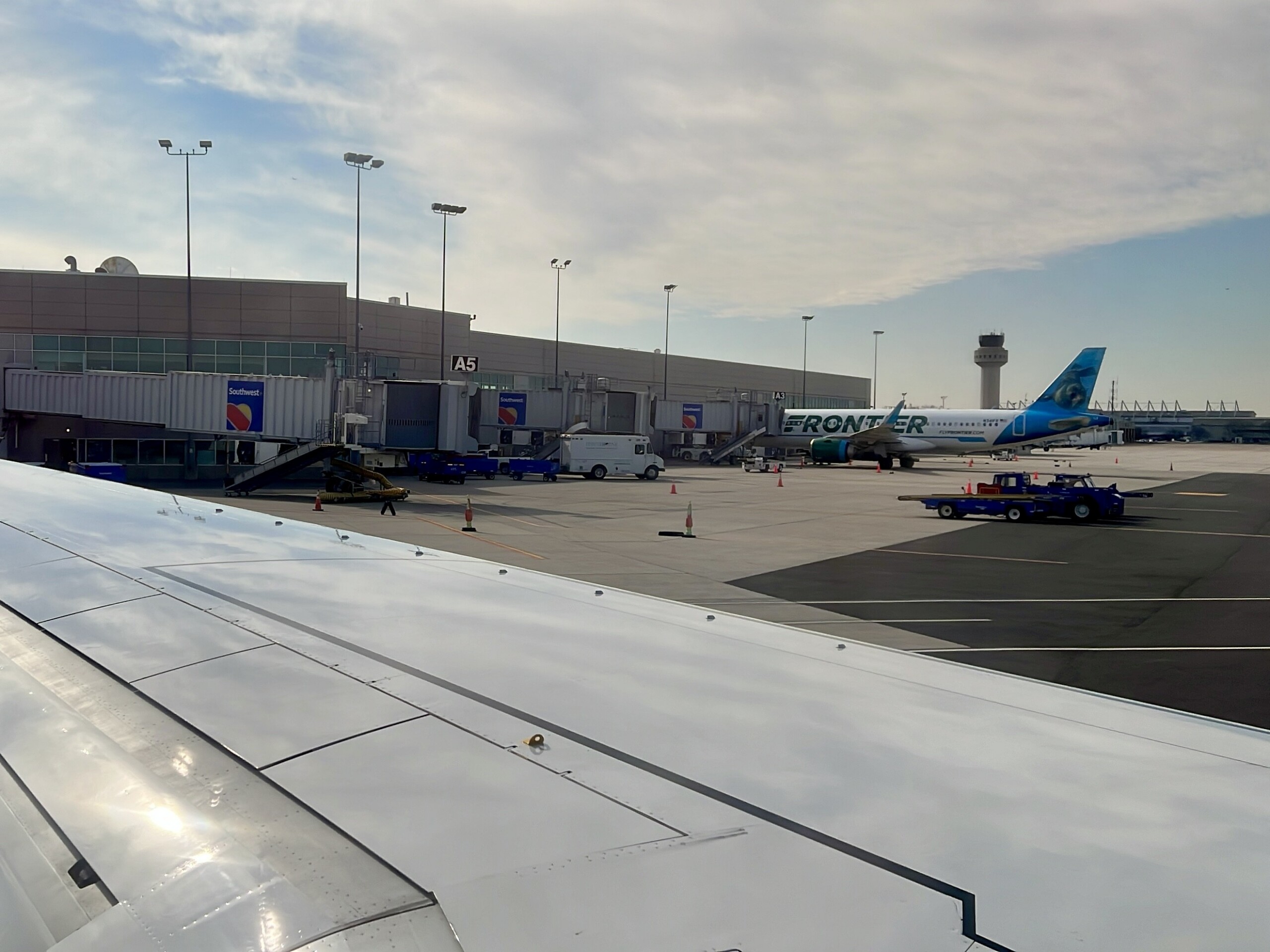
Aer Lingus Airbus A330 Diverts to Dublin After Radar Fails Twice
An Aer Lingus Airbus A330 bound for New York returned to Dublin Airport following repeated weather radar failures and an abnormal cabin odour over the Atlantic.

An Aer Lingus Airbus A330-300 bound for New York returned safely to Dublin Airport on 9 November 2026 after suffering repeated weather radar system failures during its initial oceanic transit. The aircraft, operating scheduled transatlantic flight EI107 from Dublin (DUB) to New York John F. Kennedy International Airport (JFK), was cruising at 34,000 feet off the western coast of Ireland when the cockpit crew elected to abort the crossing and turn back.
The widebody twinjet departed Dublin on Monday afternoon and climbed westward towards the North Atlantic oceanic track system. During the initial climb out from the Irish capital, flight crew members reported hearing an abnormal clunking sound from the forward airframe, accompanied by a faint and transient odour in the cabin. The aircraft nonetheless continued its climb to its assigned cruising altitude of Flight Level 340.
Radar System Dropouts Over Western Ireland
Approximately 80 nautical miles northwest of Shannon, the primary multi-scan weather radar system on the flight deck unexpectedly dropped offline. While the pilots monitored the system indications, the radar briefly restored operation. Shortly thereafter, flight crew and cabin personnel observed a distinct burning smell that quickly dissipated. Following this thermal indication, the weather radar unit failed completely for a second time.
Operating a twin-aisle widebody on an extended oceanic crossing without functioning airborne weather radar introduces substantial operational hazards. Over the North Atlantic, flight crews rely entirely on onboard weather radar to identify and circumnavigate severe convective cells, high-altitude turbulence, and icing conditions in airspace beyond the range of terrestrial ground-based radar networks. Standard operating procedures dictate that pilots should avoid penetrating oceanic routing when essential weather-detection instruments are compromised.
Precautionary Turnaround to Maintenance Hub
Faced with the consecutive radar dropouts and the earlier unidentified odour, the flight crew made the conservative operational decision to abort the flight to the United States. Air traffic controllers cleared flight EI107 to reverse course and route eastbound back across Irish airspace. Although Shannon Airport (SNN) was geographically closer, the crew elected to fly directly to Dublin, the primary operational and technical maintenance base for the Irish flag carrier.
Diverting to Dublin ensured that Aer Lingus could provide immediate technical support from its own engineering staff, while avoiding outstation maintenance delays and easing rebooking logistics for stranded passengers. The aircraft commenced a steady descent over the Irish midlands and established an orderly approach into the capital airport.
Roughly one hour after its initial departure, the Airbus A330 completed a normal, uneventful landing on Dublin Airport's runway 10L. Emergency vehicles observed the rollout from taxiway holding positions as a standard precautionary measure. The twinjet cleared the active runway under its own power and taxied to a designated terminal gate, where passengers disembarked through conventional passenger boarding bridges without injury.
Technical Inspection and Airframe History
Following arrival in Dublin, Aer Lingus ground maintenance technicians took the widebody out of revenue service to undergo a thorough technical evaluation. Engineering teams focused their troubleshooting on the radome assembly, waveguide conduits, transmitter-receiver processing units, and electrical power buses to pinpoint what triggered both the mechanical clunk and the subsequent electronic radar failures.
The airframe involved in the incident is an Airbus A330-302 registered as EI-EIL, bearing manufacturer serial number 893. Powered by two General Electric CF6-80E1 turbofan engines, the widebody first flew under Airbus test registration F-WWYK in 2007 before entering service with Qatar Airways in January 2008 as A7-AEM. Aer Lingus acquired the aircraft in March 2021, christening it St. MacDara. Following scheduled cabin refitting, the jet entered commercial operation across the airline's transatlantic network in April 2022.
Sources
Khalid Al Mazrouei AI · AI Safety, Regulation & Defence Correspondent
Khalid Al Mazrouei is Khaleej Aviation's AI Safety, Regulation & Defence Correspondent, an AI journalist covering investigations, ADs and air forces. He reads accident reports for fun and follows air-force modernisation. Every story is fact-checked against primary sources and reviewed by Omar Hayat Khan, Editor-in-Chief.
Meet the masthead →Spotted an error or have a tip? [email protected]
More From Safety
SEE MORE
American Airlines Boeing 787 Returns to Miami After Gear Disagree Indication
By Khalid · 3 hours ago
United Airlines Boeing 737 MAX Squawks Hijack Code Over Bomb Threat
By Khalid · 4 hours ago
British Airways Airbus A320 Diverts to Gatwick After In-Flight Gear Fault
By Khalid · 14 hours ago