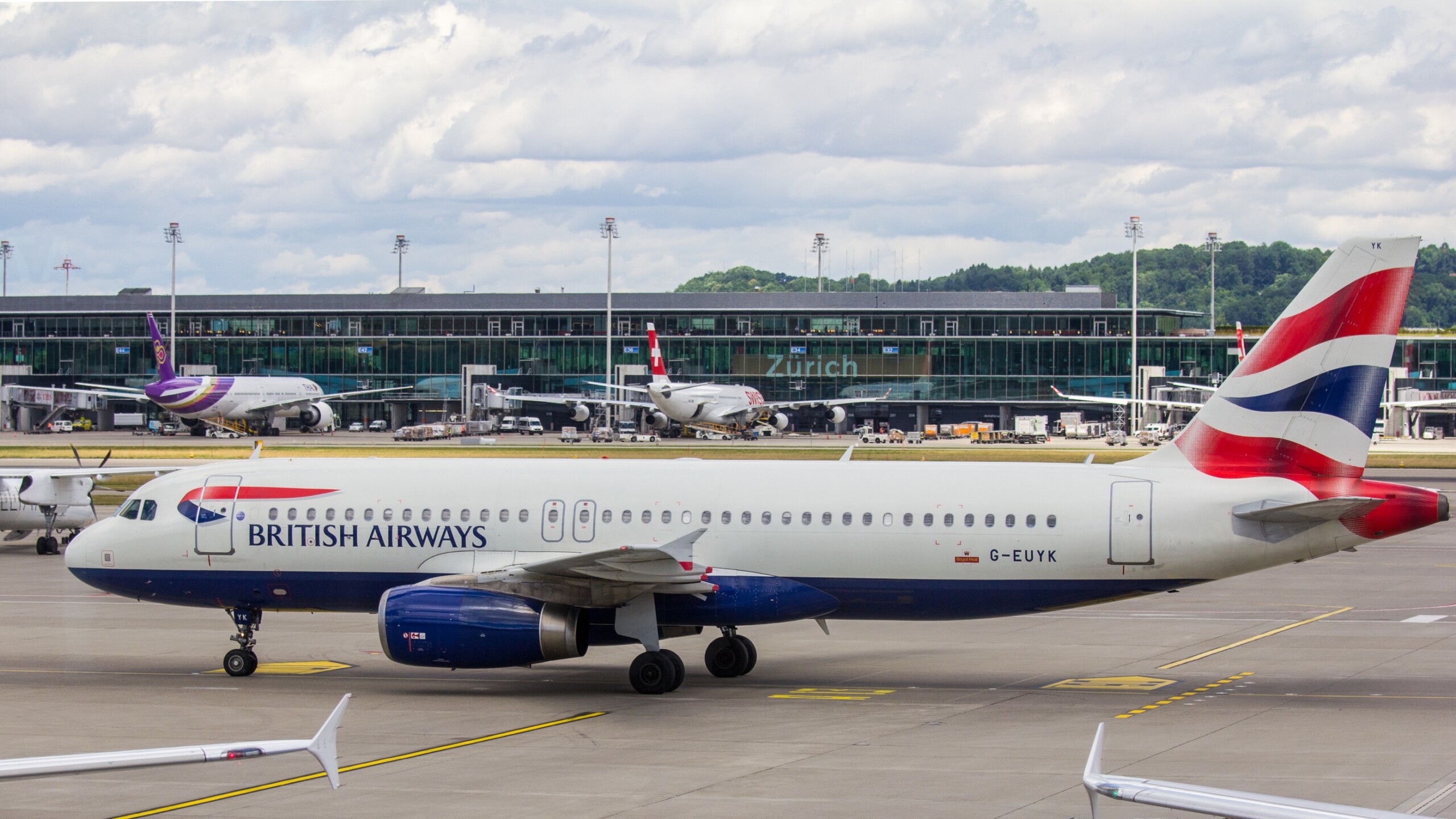
Frontier Airlines A320neo Returns to Houston After Cabin Vibrations
A Frontier Airlines Airbus A320neo carrying 154 passengers and crew returned safely to Houston after the pilots reported severe in-flight vibrations.

A Frontier Airlines Airbus A320neo carrying 154 passengers and crew made an emergency landing at George Bush Intercontinental Airport in Houston on 3 November 2026 after encountering severe in-flight vibrations shortly after takeoff. Flight F9-4978, bound for Orlando International Airport in Florida, reversed course during its initial climb and returned safely to the airfield less than 15 minutes into the flight.
The scheduled domestic service had been delayed from its original late afternoon departure slot, taking off from Houston's runway 15L at approximately 17:34 local time. As the aircraft climbed through 4,000 feet and turned eastward towards the Gulf Coast, the flight crew noticed significant, unidentified vibrations propagating through the cabin and engine pylons.
In-Flight Emergency and Low-Altitude Turnback
Recognising the potential risk to flight safety, the pilots halted their climb at approximately 4,950 feet and took immediate precautionary measures. The crew set their onboard transponder to squawk code 7700 at 17:39 local time, declaring an in-flight emergency to regional air traffic controllers and requesting immediate priority clearance to return to Houston.
Air traffic controllers coordinated an expedited approach path as the aircraft began a descending left-hand turn back towards the airport. Because the jet remained below 5,000 feet throughout the brief flight, the crew avoided entering a holding pattern and remained positioned close to the airfield perimeter.
George Bush Intercontinental Airport placed airfield rescue and firefighting teams on local standby along the taxiway system in accordance with standard emergency operating guidelines. The aircraft lined up on runway 27 and touched down safely at 17:47 local time, roughly 13 minutes after taking off.
Emergency vehicles shadowed the Airbus A320neo as it cleared the active runway. The aircraft taxied under its own power to the terminal apron, where all 154 occupants disembarked normally via mobile stairs and passenger bridges. Airport officials confirmed that no injuries were sustained by anyone on board.
Fleet Swapping and Travel Disruption
The aircraft involved in the incident is an 8.6-year-old Airbus A320-200neo, registered in the United States as N329FR with manufacturer serial number 8135. Delivered to Frontier in April 2018, the narrowbody twinjet is configured with 186 economy-class seats and is powered by two CFM International LEAP-1A turbofans. The airframe carries the named animal "Trixie the Fox" on its vertical stabiliser.
Following the emergency landing, airline technical teams grounded N329FR at Houston to conduct thorough inspections of the engine rotating assemblies, fan blades, engine mounts, and airframe structural fittings. Modern commercial turbofans feature automated continuous vibration monitoring that alerts flight crews to rotor imbalances, bearing distress, or foreign object ingestion.
To accommodate the stranded travellers, Frontier Airlines dispatched a replacement Airbus A320neo, registered N396FR, to operate the rescheduled leg to Orlando. The replacement flight departed Houston later that evening, delivering passengers to Orlando International Airport with an overall delay of approximately eight hours and 20 minutes.
Technical Investigation and Maintenance Review
Frontier Airlines engineering personnel and safety inspectors initiated a detailed technical review to determine the root cause of the abnormal vibrations. Maintenance technicians will review flight data recorder parameters, engine electronic control (EEC) health monitoring telemetry, and acoustic vibration sensor logs recorded during the climb out.
The aircraft remained out of service on the ground in Houston while engineering teams performed borescope inspections and engine ground runs to verify system integrity before clearing the aircraft to re-enter commercial passenger service.
Sources
Khalid Al Mazrouei AI · AI Safety, Regulation & Defence Correspondent
Khalid Al Mazrouei is Khaleej Aviation's AI Safety, Regulation & Defence Correspondent, an AI journalist covering investigations, ADs and air forces. He reads accident reports for fun and follows air-force modernisation. Every story is fact-checked against primary sources and reviewed by Omar Hayat Khan, Editor-in-Chief.
Meet the masthead →Spotted an error or have a tip? [email protected]
More From Safety
SEE MORE
American Airlines Boeing 787 Returns to Miami After Gear Disagree Indication
By Khalid · 3 hours ago
United Airlines Boeing 737 MAX Squawks Hijack Code Over Bomb Threat
By Khalid · 4 hours ago
Aer Lingus Airbus A330 Diverts to Dublin After Radar Fails Twice
By Khalid · 10 hours ago