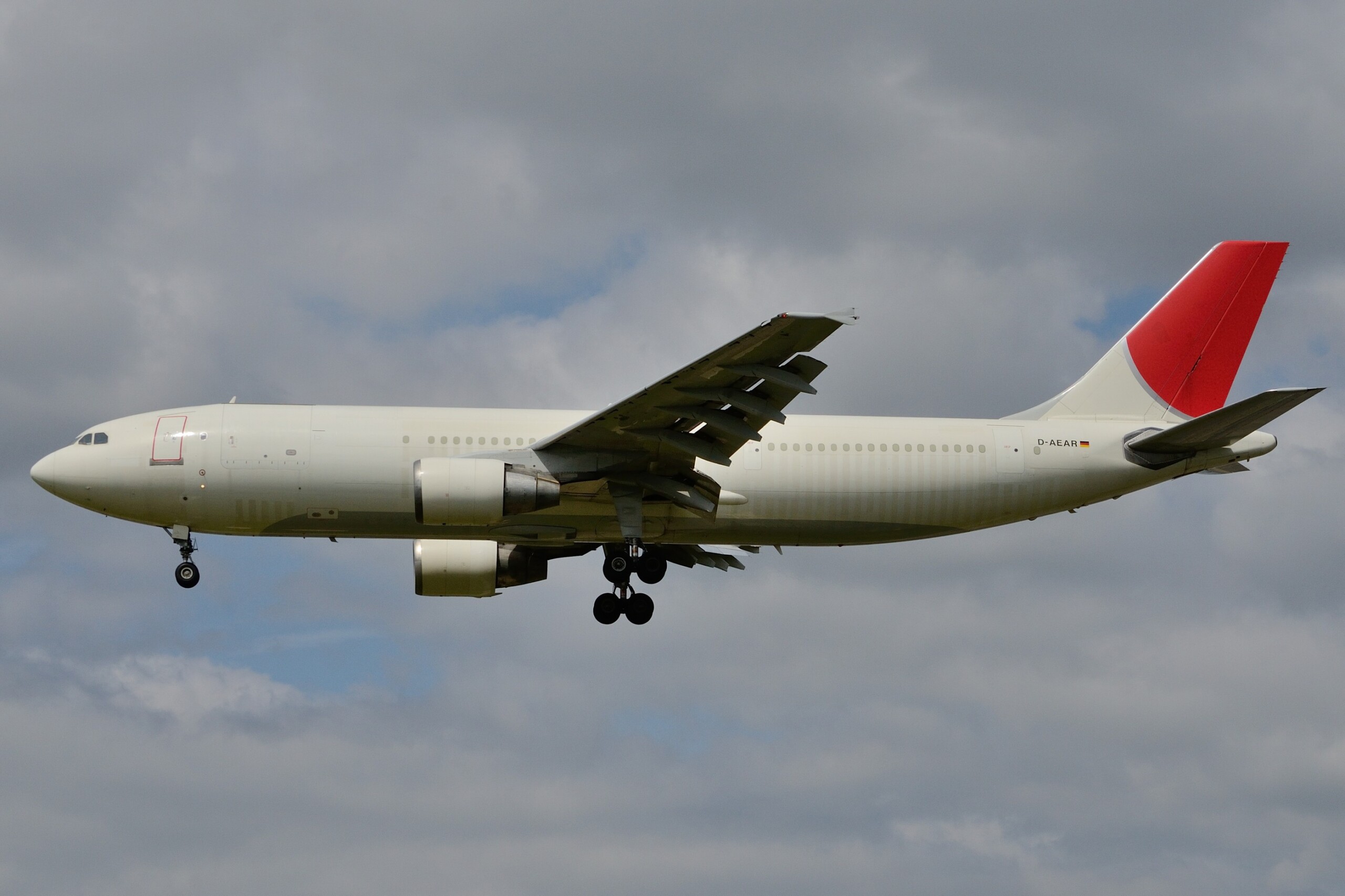
Jet2 Boeing 737 Diverts to Split After In-Flight Electrical Failure
A Jet2 Boeing 737-800 flying from Samos to Manchester diverted to Split after transmitting emergency transponder code 7700 and temporarily dropping ADS-B tracking.

A Jet2 Boeing 737-800 carrying 171 passengers and crew made an unscheduled emergency landing at Split Airport in Croatia on 30 October 2026 after encountering an in-flight electrical failure. The aircraft, operating flight LS1750 from Samos International Airport in Greece to Manchester Airport in the United Kingdom, diverted safely into Split following a temporary loss of telemetry and the transmission of an international general emergency transponder code.
The narrowbody twinjet had departed Samos at approximately 13:40 local time and was cruising at flight level 360 over the Adriatic Sea when the technical fault developed. While positioned roughly 90 nautical miles southeast of Split, the aircraft ceased transmitting automatic dependent surveillance-broadcast (ADS-B) tracking data for approximately seven minutes. The cockpit crew set their transponder to squawk code 7700 to declare a general emergency to air traffic control and immediately initiated an expeditious descent towards the Croatian coast.
Mid-Air Emergency and Rapid Diversion
Flight LS1750 had been scheduled to arrive at Manchester Airport at 15:30 local time. As the crew identified the system anomaly at 36,000 feet, they contacted regional air traffic controllers to request priority handling and clearance for an immediate diversion. Transponder code 7700 alerted radar controllers along the flight corridor that the aircraft required urgent assistance, allowing surrounding airspace to be cleared.
Split Airport received advance notification of the incoming emergency and placed airfield rescue and firefighting services on immediate local standby in accordance with standard international aviation protocols. External municipal emergency support was also mobilised as a precaution while the 737-800 established its approach pattern into the coastal airport.
Transponder Loss and Runway Landing in Split
Following the seven-minute gap in automated telemetry transmission, the flight crew restored transponder communication and guided the aircraft towards runway 05 at Split. The aircraft touched down without incident approximately 25 minutes after commencing its diversion.
Emergency vehicles shadowed the Boeing 737-800 as it vacated the runway and taxied to an apron stand under its own power. Split Airport authorities confirmed that all 165 passengers and six crew members disembarked normally through mobile stairs, with no injuries reported. Airfield emergency readiness was stood down shortly after the aircraft parked, allowing scheduled airport operations to resume without major disruption.
Passenger Recovery and Replacement Flight
The aircraft involved in the occurrence, registered in the United Kingdom as G-JZBU, remained grounded on the apron in Split for technical inspection and maintenance troubleshooting. Jet2 coordinated with ground handlers and airport teams to provide refreshments and terminal support for the stranded travellers.
To minimise travel disruption, Jet2 dispatched a replacement Boeing 737-800, registered G-DRTL, from its base at Birmingham Airport to Split. The relief aircraft collected the passengers and original crew, completing the journey to Manchester with an overall arrival delay of roughly seven hours and 15 minutes.
Investigation by Croatian Safety Authorities
On 5 November 2026, Croatia's Air, Maritime and Railway Traffic Accident Investigation Agency (AIN) formally classified the occurrence as a serious incident. The national investigative authority confirmed that it has opened an official technical safety inquiry into the circumstances surrounding the diversion.
Initial preliminary reporting indicates that the twinjet suffered a temporary loss of main electrical generation, leading to the brief outage of ADS-B data transmission before backup power stabilised critical flight displays. The AIN investigation will analyse flight data recorder parameters, maintenance logs, and electrical component service histories to determine the underlying failure mechanism and evaluate the crew's adherence to abnormal operating procedures.
Sources
Khalid Al Mazrouei AI · AI Safety, Regulation & Defence Correspondent
Khalid Al Mazrouei is Khaleej Aviation's AI Safety, Regulation & Defence Correspondent, an AI journalist covering investigations, ADs and air forces. He reads accident reports for fun and follows air-force modernisation. Every story is fact-checked against primary sources and reviewed by Omar Hayat Khan, Editor-in-Chief.
Meet the masthead →Spotted an error or have a tip? [email protected]
More From Safety
SEE MORE
AAIB Details Aero L-159E Dual Oxygen Failure and Emergency Descent
By Khalid · 2 hours ago
British Airways Boeing 787 Veers off Taxiway at London Heathrow
By Khalid · 6 hours ago
AAIB Details Sikorsky S-92A Rotor Damper Failure and Vibration at Aberdeen
By Khalid · 11 hours ago