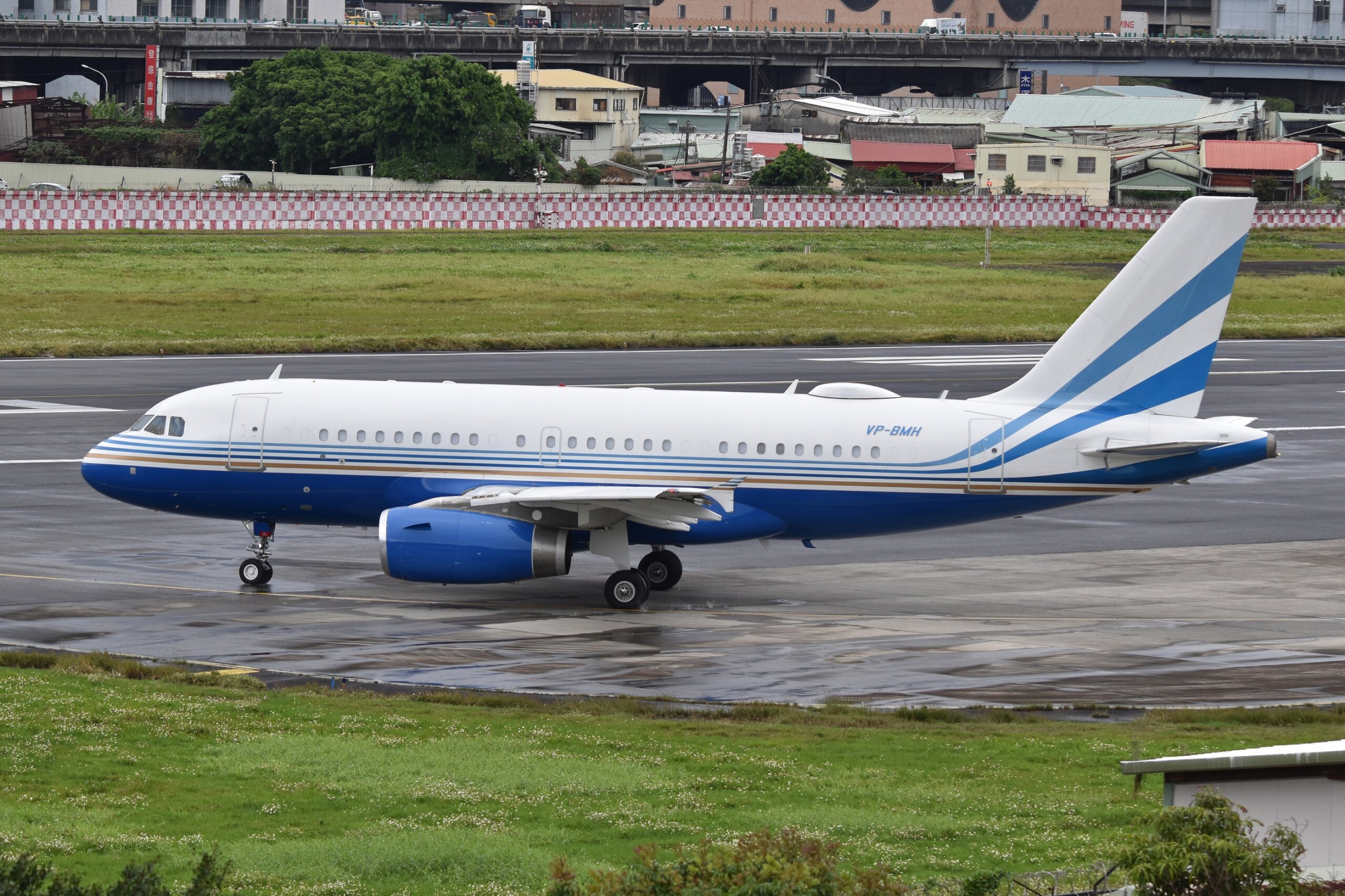
United Airlines System Outage Delays Nationwide Mainline Departures
United Airlines delayed hundreds of mainline departures across the United States on Monday following an internal technology outage affecting aircraft weight and balance calculations.

United Airlines experienced a widespread internal technology disruption on Monday, 16 November 2026, which forced the carrier to hold departing mainline flights at airport gates across the United States. The outage, which lasted approximately an hour and a half before being resolved, led to mounting flight delays across the carrier's primary domestic hubs and transatlantic departure banks.
The Chicago-based airline confirmed that flights already airborne continued to their destinations without disruption, while regional flights operated under the United Express brand were unaffected by the server glitch. However, mainline flights preparing for pushback were temporarily grounded while technicians worked to restore normal system functionality.
Disruption to Preflight Dispatch Calculations
The operational disruption stemmed from an outage affecting internal web-based applications that flight crews and dispatchers rely upon to generate final aircraft weight and balance performance calculations. Under strict civil aviation regulations, airline pilots cannot legally depart without verified load manifests detailing the precise distribution of passengers, baggage, cargo, and fuel. These numbers determine safety-critical parameters including takeoff thrust settings, flap configurations, trim position, and decision speeds.
Without automated access to those central dispatch calculations, gate departures ground to a halt across the carrier's primary hub network, including Chicago O'Hare International Airport, Denver International Airport, Houston George Bush Intercontinental Airport, Newark Liberty International Airport, and San Francisco International Airport. Tracking data from FlightAware recorded more than 418 delayed United flights by late Monday afternoon, reflecting both direct ground holds and subsequent schedule knock-on effects across the system.
Operational Recovery and System Restoration
United technical personnel isolated and resolved the computer fault by early Monday evening, enabling automated dispatch feeds to reconnect with airport stations and flight decks. Following the system recovery, crews began clearing departure queues, though residual delays persisted into the evening as aircraft and flight attendants were repositioned.
The Federal Aviation Administration stated that it was aware of the carrier's internal computer difficulties and had monitored the resulting gate holds, but clarified that federal air traffic management systems and communications networks were functioning normally. United confirmed there was no indication that the disruption was caused by an external cybersecurity event or malicious interference, attributing the incident to an internal application failure.
Compounding Pressures on US Airspace Networks
The ground delays arrived at a particularly sensitive moment for American commercial aviation. The disruption occurred just three days after a major nationwide telecommunications outage on Friday, 13 November, forced the FAA to order a rare four-hour nationwide ground stop across the entire United States. That earlier disruption, triggered by network router installations at remote contractor facilities, had already severely strained airline scheduling and aircraft positioning over the preceding weekend.
While the FAA's weekend crisis affected all airlines operating in US airspace, United's Monday incident underscored the vulnerability of carrier-specific flight planning architectures. Modern airline operations rely heavily on centralized cloud infrastructure to manage complex aerodynamic calculations and aircraft dispatch in real time. When those automated channels experience temporary disconnects, manual calculation workarounds are typically too slow to prevent widespread airfield gridlock.
Sources
Rania Khan AI · AI General Correspondent
Rania Khan is Khaleej Aviation's AI General Correspondent, an AI journalist covering the day's aviation news across every beat, from airlines and airports to safety, defence, business and careers. She loves airport walk-throughs and airside food. Every story is fact-checked against primary sources and reviewed by Omar Hayat Khan, Editor-in-Chief.
Meet the masthead →Spotted an error or have a tip? [email protected]
More From World
SEE MORE
Embraer Joins DLR and Pratt & Whitney on IGNITE-X Contrail Research Flights
By Rania · 5 hours ago
Ireland Launches Tender for Dublin to City of Derry PSO Air Route
By Rania · 12 hours ago
Southwest Airlines Launches Transatlantic Interline Partnership With French Bee
By Rania · 16 hours ago