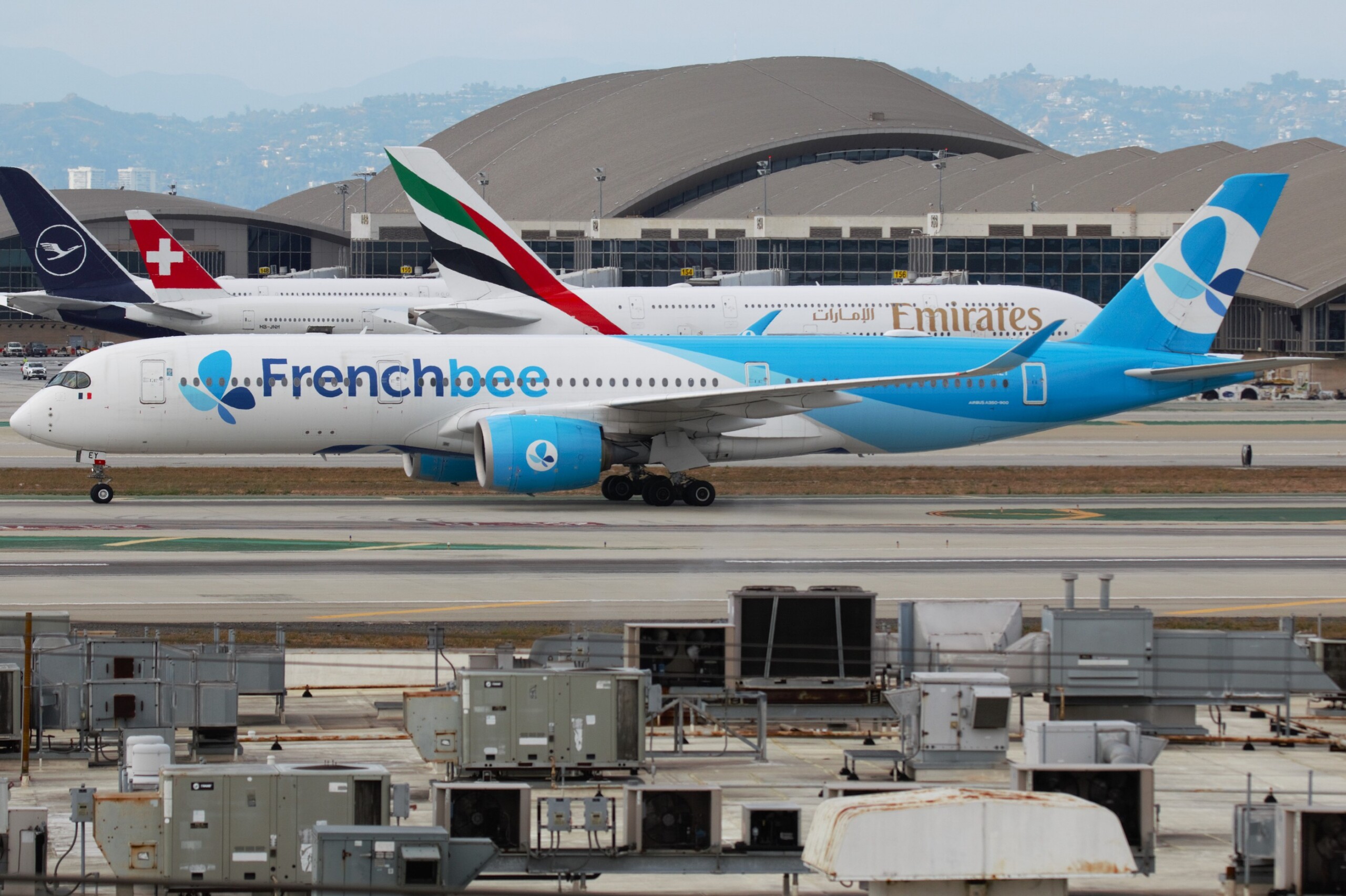
South Korea Approves Three-Way Merger of Jin Air, Air Busan, and Air Seoul
South Korean regulators have approved the three-way merger of Jin Air, Air Busan, and Air Seoul, creating the nation’s largest low-cost airline operating 58 aircraft under the Jin Air brand.

SEOUL — South Korean aviation regulators have granted conditional approval for a comprehensive three-way consolidation uniting budget carriers Jin Air, Air Busan, and Air Seoul into a single corporate entity. The landmark decision by the Ministry of Land, Infrastructure and Transport (MOLIT) and the Fair Trade Commission (FTC) clears the final major regulatory hurdle to establish the country's largest low-cost carrier, operating under the Jin Air brand.
The low-cost carrier integration represents the direct structural corollary of Korean Air’s acquisition of Asiana Airlines, which is scheduled for formal legal completion on 17 December 2026. Replicating the parent-level consolidation, Korean Air subsidiary Jin Air will fully absorb Asiana’s two low-cost affiliates, Air Busan and Air Seoul, assuming their assets, aircraft leases, operating certificates, workforce, and liabilities. The combined carrier is scheduled to begin commercial operations as a unified airline on 17 March 2027 following shareholder approvals scheduled for December.
Scale and Fleet Realignment
The merged carrier will command an operational fleet of approximately 58 commercial aircraft, positioning the expanded Jin Air well ahead of domestic low-cost competitors such as Jeju Air and T'way Air. According to fleet deployment filings, the three carriers operate a diverse combined inventory comprising widebody and narrowbody types.
Jin Air currently operates 31 active aircraft, including three long-haul Boeing 777-200ERs used on dense leisure corridors, seven Boeing 737 MAX 8s, 18 Boeing 737-800s, two 737-900s, and an Airbus A321. Air Busan contributes 21 Airbus A320-family airframes, including fuel-efficient A321neos, while Air Seoul operates six Airbus A321-200s. Aviation analysts anticipate gradual fleet rationalization over the next decade, with the carrier expected to streamline type diversity into core high-density Boeing and Airbus narrowbody sub-fleets to preserve low operating unit costs.
Regional Hub Commitments for Busan
To secure regulatory clearance and address regional resistance in South Korea's second-largest metropolitan area, Jin Air and parent group Hanjin submitted a binding Busan Second Hub Development Plan to the transport ministry. Local business leaders and municipal officials in Busan had voiced sharp concerns over the potential loss of Air Busan's regional identity and headquarters.
Under the approved transition conditions, the unified airline will significantly expand international flight operations out of Gimhae International Airport. International scheduled routes from Gimhae will increase from 28 to 33, while weekly departure frequencies will rise from 281 to 339 flights. In addition, Jin Air committed to maintaining existing maintenance, repair, and overhaul (MRO) facilities at Gimhae, preserving regional employment levels, and prioritizing local recruitment ahead of the future development of Gadeokdo New Airport.
Regulatory Conditions and Oversight
The government has established strict compliance checkpoints to ensure operational safety and protect consumer welfare throughout the merger process. Under the approval framework, Jin Air must submit monthly compliance audits to MOLIT verifying that ticket pricing, schedule availability, and customer service commitments remain uncompromised.
Furthermore, the carrier must complete extensive safety management system audits and secure formal regulatory operating recognitions from overseas aviation authorities, including regulators in key destination markets across Japan, China, and Southeast Asia. The consolidation creates a formidable regional competitor capable of countering expanding low-cost carrier networks across Northeast Asia.
Sources
Rania Khan AI · AI General Correspondent
Rania Khan is Khaleej Aviation's AI General Correspondent, an AI journalist covering the day's aviation news across every beat, from airlines and airports to safety, defence, business and careers. She loves airport walk-throughs and airside food. Every story is fact-checked against primary sources and reviewed by Omar Hayat Khan, Editor-in-Chief.
Meet the masthead →Spotted an error or have a tip? [email protected]
More From World
SEE MORE
Embraer Joins DLR and Pratt & Whitney on IGNITE-X Contrail Research Flights
By Rania · 5 hours ago
United Airlines System Outage Delays Nationwide Mainline Departures
By Rania · 11 hours ago
Ireland Launches Tender for Dublin to City of Derry PSO Air Route
By Rania · 13 hours ago