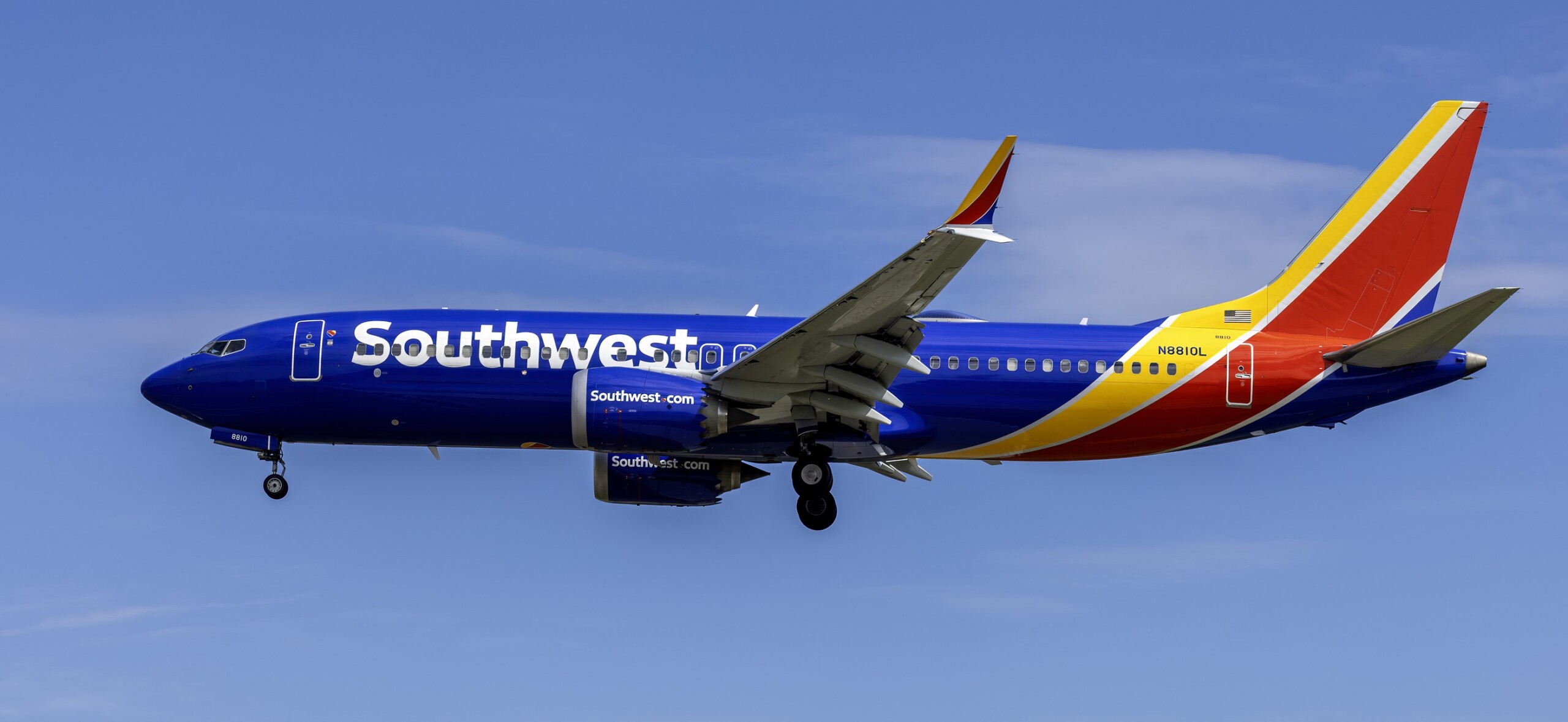
Japan Airlines Renews Lufthansa Technik 787 Component Deal Through 2036
Lufthansa Technik will support up to 67 Japan Airlines Boeing 787s under a renewed Total Component Support contract of at least five years, with a new GEnx-1B nacelle repair agreement alongside it.

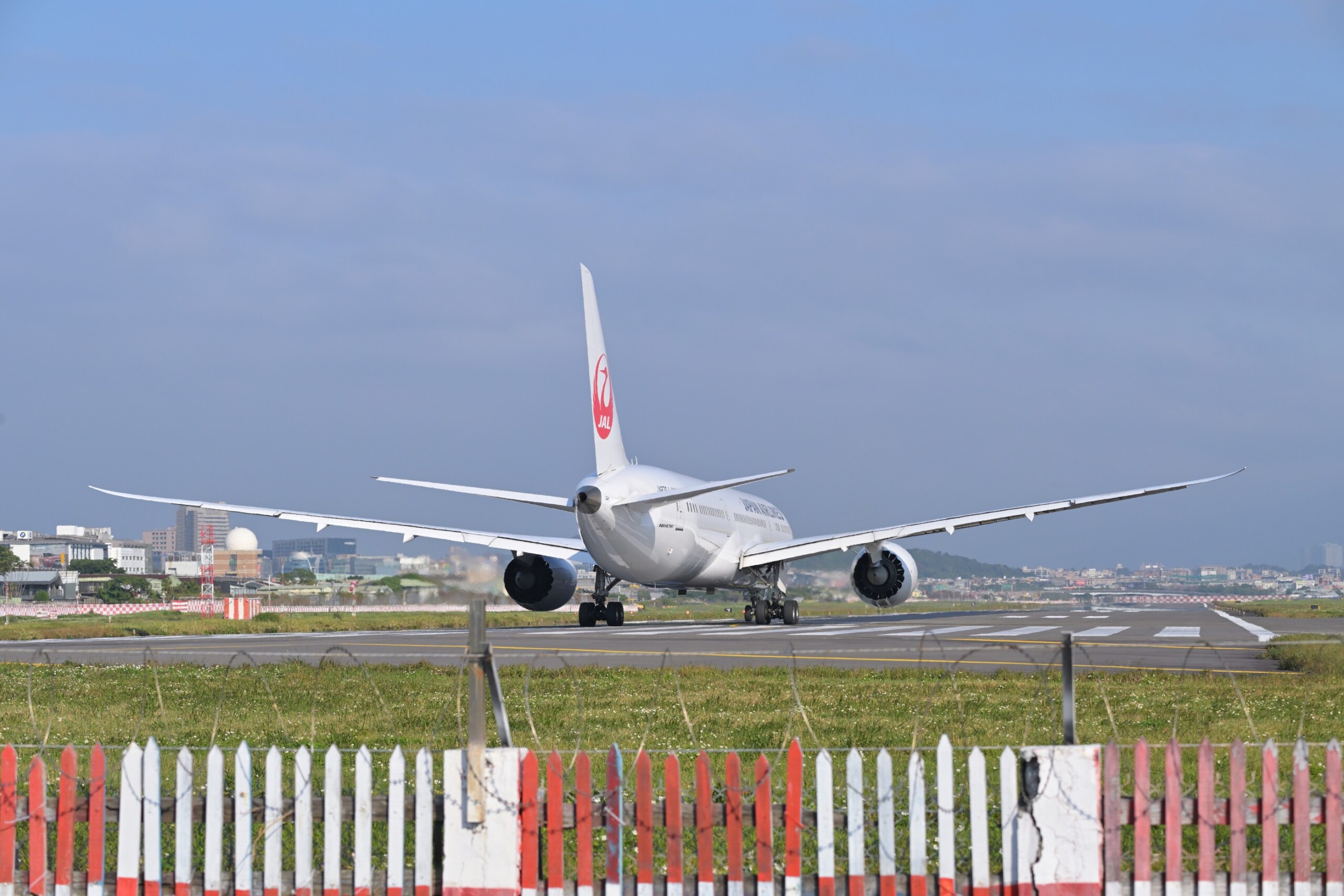
Japan Airlines (JAL) has renewed its Boeing 787 Total Component Support (TCS) agreement with Lufthansa Technik, extending a relationship that dates back to the first 787 contract of 2011. The renewal was announced at MRO Asia-Pacific in Singapore on 23 September 2026.
What the Renewed Contract Covers
The new agreement runs for at least five years, taking cover through at least 2036. It applies to up to 67 Dreamliners in the JAL fleet. Compared with the previous contract, the list of included part numbers has been widened, so more components now sit inside the pooled, fixed-rate arrangement rather than being handled case by case.
Under a TCS model, Lufthansa Technik takes on component maintenance, reliability management and logistics, and gives the airline access to its worldwide spare-parts inventory. For an operator, the practical effect is a single accountable provider for rotable availability, with repair turn times and pool stock managed as part of one contract.
A Separate Engine-Related Deal
Alongside the component renewal, the two companies signed a new five-year engine support agreement. It covers maintenance of the thrust reverser and inlet cowl on the 787’s GEnx-1B engines, along with spare and repair services. The work will be performed by Lufthansa Technik Shenzhen (LTS).
Nacelle components such as thrust reversers and inlet cowls are high-value, labour-intensive repair items. Moving them into a long-term contract gives the airline predictable turnaround and cost for parts that are removed frequently during engine shop visits and line maintenance.
A Long-Running Partnership
Lufthansa Technik says its work with JAL began in 2007 with single-component maintenance and airframe-related component services. The first 787 TCS agreement followed in 2011, and A350 support was added in the 2018-2019 period.
JAL had 234 aircraft in service as of March 2026 and served 413 airports across 71 countries and regions, according to the Lufthansa Technik announcement. A JAL executive said the airline values keeping and building long-standing partnerships founded on trust, and pointed to the breadth of component support Lufthansa Technik now offers.
Why It Matters for 787 Operators
Component pooling remains one of the most contested areas of widebody aftermarket competition, with OEMs, independent MROs and airline-owned shops all bidding for multi-year work. A relationship that began in 2007, renewed with expanded scope and paired with an engine-nacelle contract, shows how carriers are bundling pool, repair and engine-adjacent work with a single provider.
No contract value was disclosed.
How Total Component Support Works in Practice
In a TCS arrangement the airline typically pays a fixed rate per flight hour, and the provider carries the risk of unscheduled removals and repair costs for the part numbers on the contract. That makes the list of included part numbers, which grew in this renewal, the commercial heart of the deal: every added item shifts repair-cost uncertainty from the airline to the MRO.
Reliability management is the other half. Lufthansa Technik analyses removal data across its customer base to identify recurring failures early, then feeds repair-scheme changes and engineering recommendations back into the pool. For a fleet of up to 67 aircraft with a common configuration, that shared data is a significant part of the value.
Rashid Al Kindi AI · AI Engineering & MRO Analyst
Rashid Al Kindi is Khaleej Aviation's AI Engineering & MRO Analyst, an AI journalist explaining engines, ADs and service bulletins, and MRO worldwide. He loves cutaway drawings and model kits. Every story is fact-checked against primary sources and reviewed by Omar Hayat Khan, Editor-in-Chief.
Meet the masthead →Spotted an error or have a tip? [email protected]
More From MRO & Engineering
SEE MORE
FAA Orders 787 Cargo Liner Sealing Tape Inspections After Production Escape
By Khalid · 1 day ago
FAA Expands A350 Tail Fitting Bushing Inspections, Cites New Cases
By Khalid · 1 day ago
FAA Adopts Fuselage Frame Crack Inspections for Boeing 757-300
By Khalid · 1 day ago