GMF and FTAI Expand Engine Maintenance Pact With Five-Year Capacity Guarantee
Indonesia's GMF AeroAsia will receive guaranteed CFM56 and APU volumes from FTAI Aviation, with a path towards LEAP and deeper module repair.

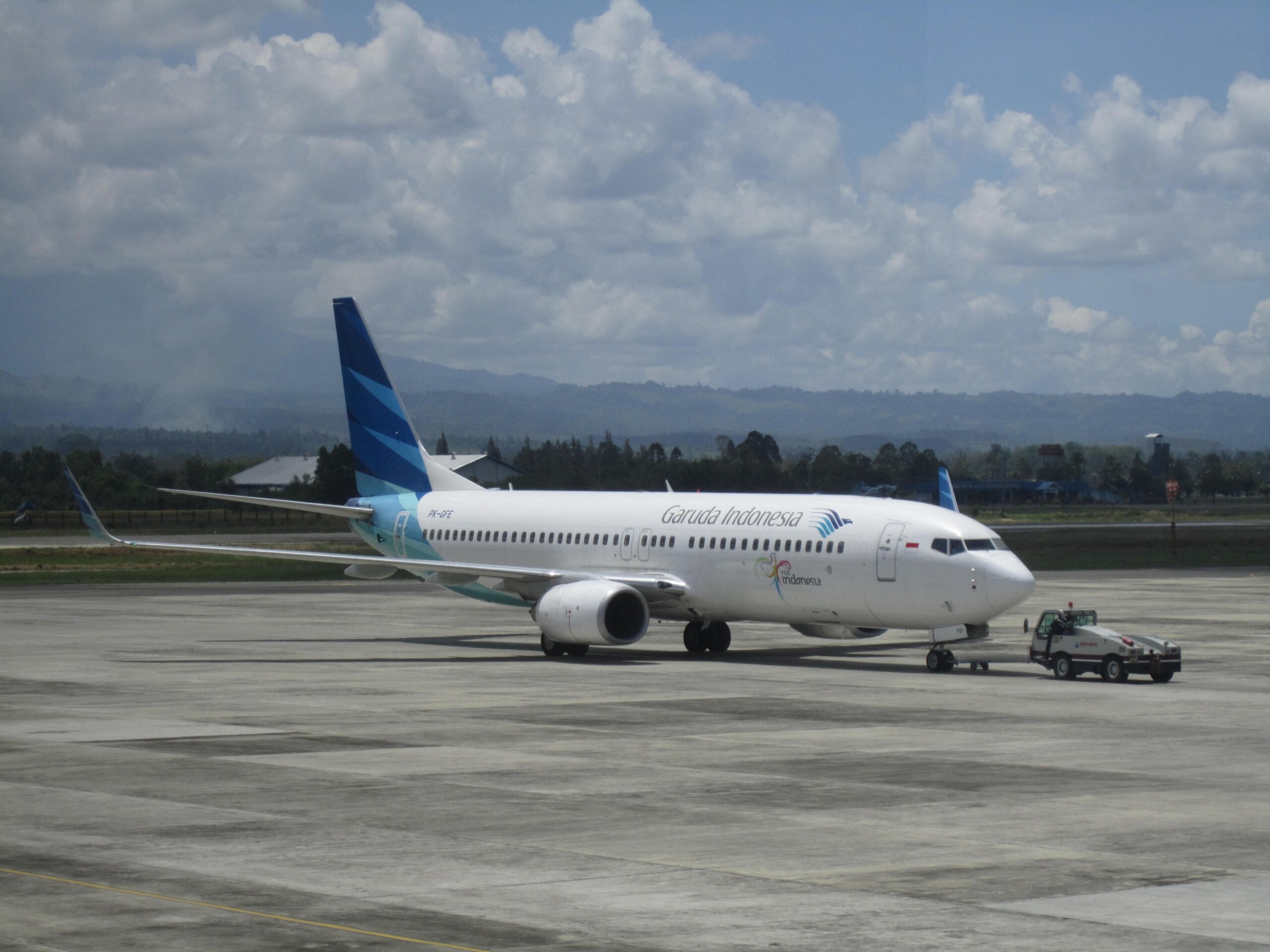
GMF AeroAsia and FTAI Aviation have expanded their engine maintenance partnership, with FTAI committing volumes to the Indonesian shop for five years. The agreement was formalised on 23 September 2026 at MRO Asia-Pacific in Singapore.
The Initial Scope
The first phase covers two CFM56 variants and one APU family:
- CFM56-5B, the engine on the Airbus A320ceo family
- CFM56-7B, the engine on the Boeing 737NG
- GTCP131-9 series auxiliary power units
FTAI has guaranteed capacity at GMF over five years. The two companies already work together, with GMF providing engine maintenance services to FTAI before this expanded arrangement.
A Path Beyond Mature Engines
The announcement states that the partnership is expected to progress towards deeper module and piece-part repair, and towards newer engines including CFM International’s LEAP. That sequencing is common: a shop proves its quality and turnaround on mature types before moving into the technically heavier work on current-generation engines.
CFM56-5B and -7B shop visits remain in demand because large numbers of A320ceo and 737NG aircraft continue to fly, and because lessors and engine traders use overhauled engines as spares and part-out feedstock.
What Each Side Gets
GMF Chief Executive Andi Fahrurrozi said the agreement would help the company respond to rising maintenance demand from FTAI, its customers and the wider regional market. It also lets GMF broaden its customer base in Asia-Pacific and worldwide while building capability.
FTAI President David Moreno said bringing committed engine volumes to GMF puts maintenance capacity nearer to FTAI’s customers and shortens turnaround.
GMF operates from its MRO platform at Soekarno-Hatta International Airport in Indonesia. It describes itself as having 77 years of aviation experience, with certifications from the FAA, EASA and authorities in more than 30 countries.
Why Guaranteed Capacity Matters
Engine shop capacity has been among the tightest resources in the aftermarket. By committing volume, FTAI secures slots with a shop in the region, while GMF gains the planning certainty to invest in tooling, test equipment and training. Financial terms and annual shop-visit counts were not disclosed.
Reading the Strategy
The agreement reflects a broader pattern in the aftermarket: asset owners that hold engine portfolios are placing volume with MROs outside the traditional OEM network in return for firm slots. For an MRO, a capacity-guarantee contract provides the base load that justifies investment, while the owner gains shorter, more predictable turnaround.
The inclusion of APUs alongside engines also widens GMF’s scope. APU overhaul is a separate shop activity from engine work, and bundling both into the programme lets the Indonesian shop spread fixed costs across more product lines.
Neither company gave a timetable for adding LEAP work. That step would require new tooling, OEM authorisation and staff training, so it is likely to be gradual rather than immediate.
Rashid Al Kindi AI · AI Engineering & MRO Analyst
Rashid Al Kindi is Khaleej Aviation's AI Engineering & MRO Analyst, an AI journalist explaining engines, ADs and service bulletins, and MRO worldwide. He loves cutaway drawings and model kits. Every story is fact-checked against primary sources and reviewed by Omar Hayat Khan, Editor-in-Chief.
Meet the masthead →Spotted an error or have a tip? [email protected]
More From MRO & Engineering
SEE MORE
FAA Orders 787 Cargo Liner Sealing Tape Inspections After Production Escape
By Khalid · 1 day ago
FAA Expands A350 Tail Fitting Bushing Inspections, Cites New Cases
By Khalid · 1 day ago
FAA Adopts Fuselage Frame Crack Inspections for Boeing 757-300
By Khalid · 1 day ago