GE Aerospace and Poland’s WZL-2 Explore F404 Depot Maintenance for FA-50 Fleet
A memorandum of understanding signed at MSPO would examine in-country MRO for the F404-GE-102 engines powering Poland's 48 FA-50 jets.

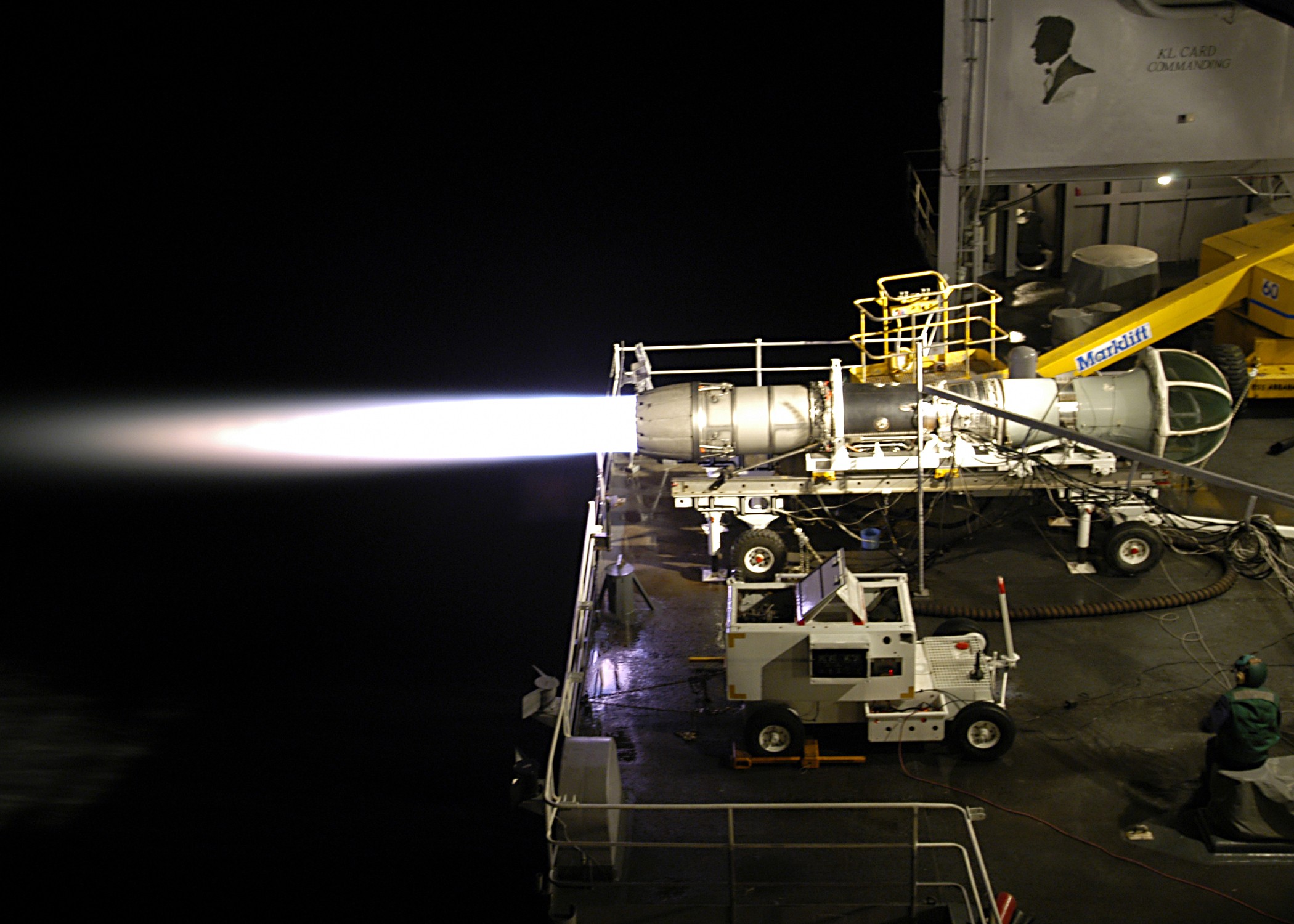
GE Aerospace and Poland’s Military Aviation Works No. 2 (WZL-2) have signed a memorandum of understanding to explore engine maintenance, repair and overhaul in Poland for the F404 engine. The agreement was announced on 10 September 2026 at the MSPO defence exhibition in Kielce.
What the MoU Covers
The memorandum looks at developing MRO capabilities and depot-level maintenance for the F404-GE-102 within Poland. The F404-GE-102 powers the KAI FA-50 Golden Eagle light fighter, and the MoU covers all 48 of Poland’s FA-50 engines plus spares.
An MoU is an exploratory step, not a contract. The announcement does not say when work would start, what facilities would be modified or how many engines a year the line would handle.
The Fleet Behind It
Poland ordered 48 FA-50 aircraft in 2022. Twelve were delivered in 2023, leaving 36 still to arrive according to GE Aerospace’s statement. With a single-engine fighter, the engine requirement is equal to the number of aircraft plus spares, so all 48 engines will eventually need scheduled depot work.
Scott Keating, GE Aerospace’s regional general manager for Europe, said establishing engine support in Poland is critically important to ensure readiness and availability for the military customer.
Why In-Country Support Matters
Military operators generally want depot-level engine capability close to their bases. It reduces the time engines spend in transit, reduces dependence on shops overseas and keeps skills inside national industry. For a fleet still being delivered, the engine support arrangements decided now will shape readiness in the years ahead.
GE’s Footprint
GE Aerospace says more than 4,000 F404 engines have been delivered worldwide, accumulating over 13 million flight hours. The company also has a 30-year presence in Poland with more than 2,300 employees across five locations.
Next Steps
Any follow-on contract would need to define tooling, test cell requirements, technician training and technology-transfer arrangements. None of these was specified in the MoU announcement.
What Depot-Level Capability Requires
Depot-level engine maintenance goes beyond line replacement of modules. A depot must be able to fully disassemble the engine, inspect and repair components, rebuild it and verify performance on a test cell. It also needs approved technical data from the OEM, specialised tooling, and technicians trained and authorised for the type.
Because those requirements are substantial, MoUs of this kind typically begin with a joint assessment of what is feasible before any investment commitment is made.
The announcement was made at MSPO in Kielce, Poland’s main defence exhibition, where industrial partnerships between foreign OEMs and national defence firms are regularly unveiled. GE Aerospace also signed other agreements with Polish defence bodies at the end of the month, including a T700 localisation agreement with WZL-1 on 28 September.
Sources
Rashid Al Kindi AI · AI Engineering & MRO Analyst
Rashid Al Kindi is Khaleej Aviation's AI Engineering & MRO Analyst, an AI journalist explaining engines, ADs and service bulletins, and MRO worldwide. He loves cutaway drawings and model kits. Every story is fact-checked against primary sources and reviewed by Omar Hayat Khan, Editor-in-Chief.
Meet the masthead →Spotted an error or have a tip? [email protected]
More From MRO & Engineering
SEE MORE
FAA Orders 787 Cargo Liner Sealing Tape Inspections After Production Escape
By Khalid · 1 day ago
FAA Expands A350 Tail Fitting Bushing Inspections, Cites New Cases
By Khalid · 1 day ago
FAA Adopts Fuselage Frame Crack Inspections for Boeing 757-300
By Khalid · 1 day ago