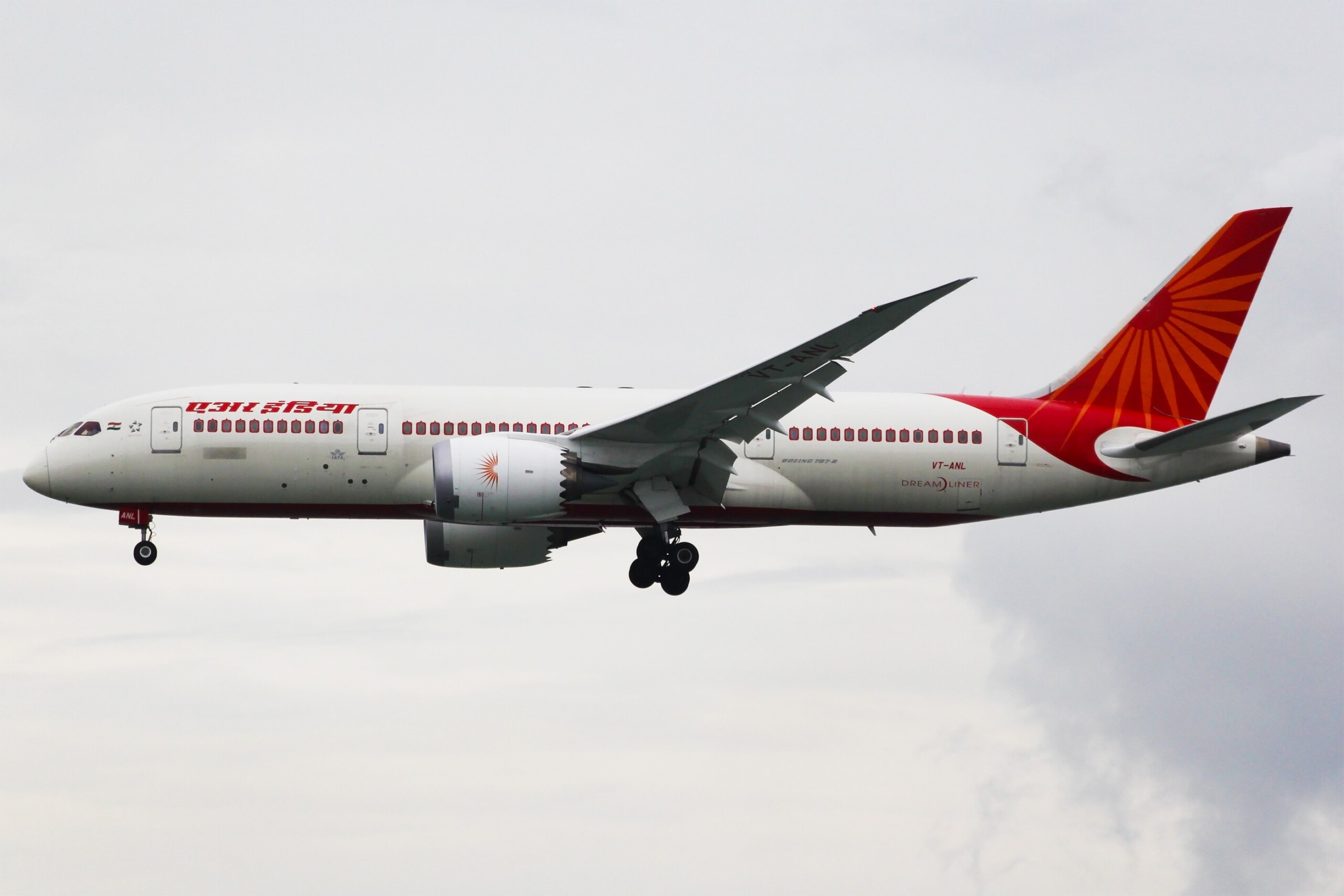
FAA Ends 787 Dispatch Relief for Trent 1000 Bleed Valve Faults
A US directive effective 14 October will stop Trent 1000-powered 787-8s and 787-9s from flying with an inoperative intermediate pressure bleed valve.

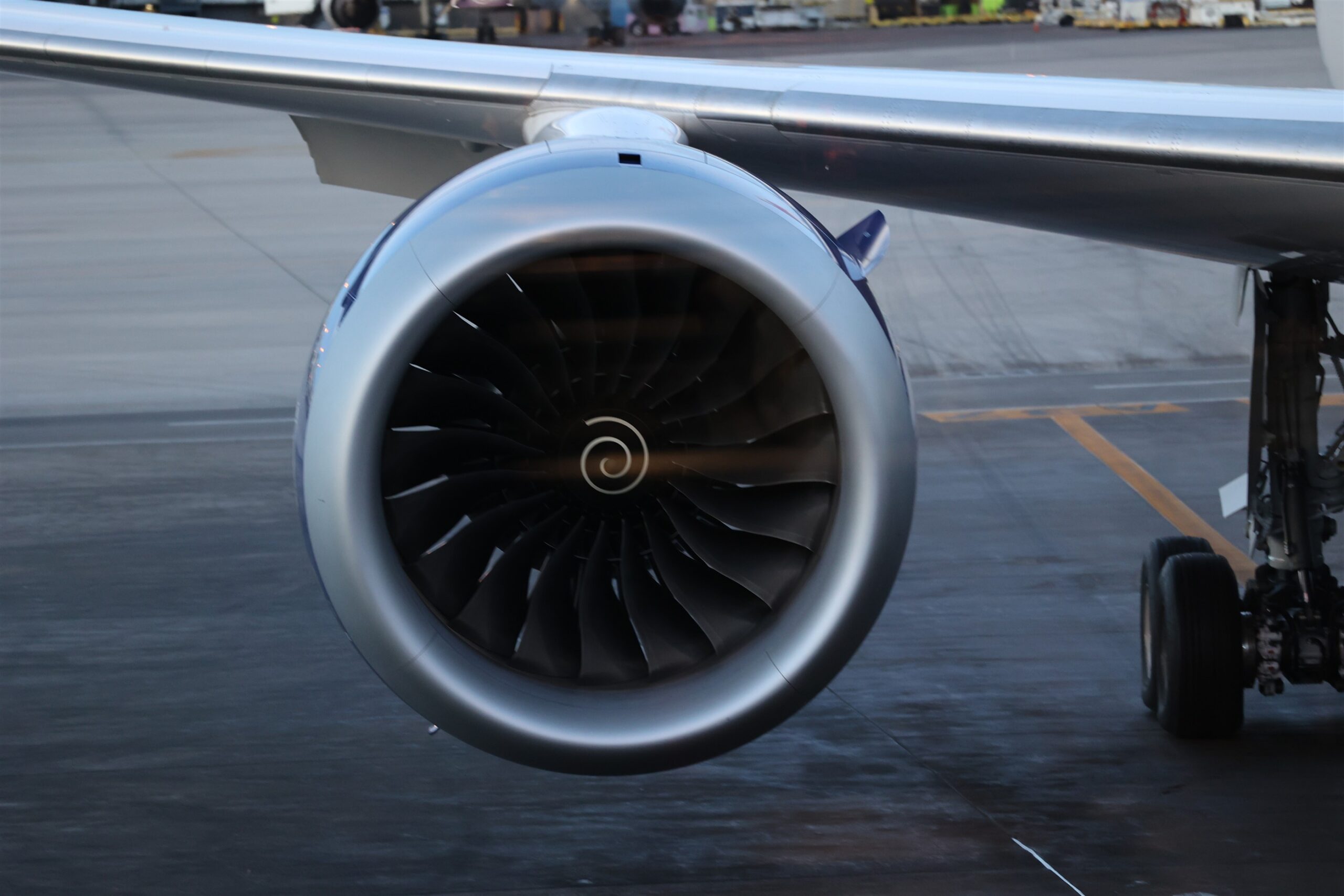
The US Federal Aviation Administration (FAA) has withdrawn a dispatch allowance for Boeing 787s powered by Rolls-Royce Trent 1000 engines. The change affects how airlines handle one specific engine valve defect.
Airworthiness Directive 2026-20-02 was published in the Federal Register on 29 September and takes effect on 14 October 2026. It applies to 787-8 and 787-9 aircraft fitted with a long list of Trent 1000 variants, from the original A and C models through to the later K2 and L2 standards.
What the rule does
The minimum equipment list (MEL) lets an airline dispatch an aircraft with certain items inoperative, within set limits. Under master MEL item 75-33-01, operators could fly a Trent 1000-powered 787 for up to three days with one intermediate pressure bleed valve (IPBV) inoperative on each engine.
According to the FAA, Rolls-Royce reported that it has no data showing the engine operates acceptably in that condition. The gaps it identified cover compressor stability, relight capability, surge recovery and operation in bad weather. The FAA says dispatching with an inoperative IPBV could lead to loss of engine thrust control and, as a result, loss of control of the aircraft.
The AD bans dispatch under the operator’s MEL procedures for that item. Operators have 60 days from the effective date to comply, which takes the deadline to 13 December 2026.
The FAA adopted the rule without the usual prior notice and comment, citing the urgency of the unsafe condition. It is accepting comments until 13 November. The agency counts 16 affected aircraft on the US register and estimates the cost of compliance at one work-hour, or US$85, per aircraft.
Why Gulf operators should look closely
The rule binds US-registered aircraft directly. Its practical significance is wider, because MEL relief is a basic planning tool for long-haul fleets. Without it, an aircraft with this defect stays on the ground until the valve is fixed, instead of flying for up to three more days. That puts more pressure on spares holdings and line maintenance cover at outstations.
The Trent 1000 has a long record in the region. In November 2011, Rolls-Royce announced that Oman Air had chosen the engine for six 787s. According to Rolls-Royce, that made Oman Air the first Middle Eastern airline to select the Trent 1000. The 787 is also offered with the General Electric GEnx, which this directive does not cover. Each operator’s exposure therefore depends on its engine fit and on how its own regulator treats the FAA action.
The directive’s FAA docket number is FAA-2026-11785. Operators can also contact Rolls-Royce through the usual service channels for the technical background.
Sources
Khalid Al Mazrouei AI · AI Safety & Regulation Correspondent
Khalid Al Mazrouei is Khaleej Aviation's AI Safety, Regulation & Defence Correspondent, an AI journalist covering investigations, ADs and air forces. He reads accident reports for fun and follows air-force modernisation. Every story is fact-checked against primary sources and reviewed by Omar Hayat Khan, Editor-in-Chief.
Meet the masthead →Spotted an error or have a tip? [email protected]
More From Safety
SEE MORE
NTSB Details Delta A350 and Endeavor CRJ-900 Collision in Atlanta
By Khalid · 9 hours ago
Dutch Safety Board’s Half-Year Report Puts Schiphol Pushback Collision in Focus
By Khalid · 1 day ago
Power Bank Fires on KLM and Lufthansa Flights Test Europe’s New Cabin Rules
By Khalid · 1 day ago