EASA Mandates Urgent Wing Mid Spar Inspections for Airbus A380 Fleet
The European Union Aviation Safety Agency has issued Airworthiness Directive 2026-0216 requiring urgent special detailed inspections of wing mid spars across the global Airbus A380 fleet following crack findings.

The European Union Aviation Safety Agency has issued a comprehensive Airworthiness Directive mandating urgent structural inspections of the wing mid spars across the worldwide fleet of Airbus A380 superjumbos. The regulatory action, designated as EASA AD 2026-0216 and published on November 11, 2026, responds to findings of structural cracking discovered during heavy maintenance inspections on an in-service double-deck aircraft. EASA warned that undetected mid spar fatigue cracking could compromise the structural integrity of the wing box, prompting mandatory non-destructive testing requirements for all active and stored airframes.
The new directive takes effect on November 18, 2026, and formally supersedes Emergency Airworthiness Directive 2026-0119-E, which the agency published on June 22, 2026. Working in concert with Airbus, European regulators expanded the scope of affected manufacturer serial numbers and incorporated amended engineering procedures detailed in Airbus Alert Operators Transmission A57R030-26, released on November 6, 2026.
Four Operational Groups and Compliance Thresholds
The airworthiness mandate encompasses all variants of the superjumbo—including the A380-841, A380-842, and A380-861 models operating under EASA Type Certificate Data Sheet EASA.A.110. To address varying flight-hour accumulation, operational cycles, and environmental exposure, the directive categorizes the global fleet into four distinct compliance tiers.
Group 1 targets five specific early-production airframes—serial numbers 190, 202, 203, 209, and 228—requiring operators to accomplish special detailed inspections prior to their next flight following the June 2026 emergency directive. For this initial compliance action, EASA permits a ferry flight allowance of up to three non-ETOPS flight cycles without revenue passengers to reposition aircraft to an approved heavy maintenance facility. Group 2 comprises eleven airframes—serial numbers 30, 42, 55, 56, 105, 142, 184, 187, 208, 227, and 234—mandating inspection within 25 flight cycles.
Newly established Group 3 introduces inspection requirements for eight additional serial numbers: 57, 77, 103, 191, 226, 229, 240, and 241, with operators required to complete non-destructive examinations before January 31, 2027. All remaining A380 airframes across the global fleet are categorized under Group 4, establishing long-term baseline surveillance.
Storage Returns and Mandatory Repetitive Intervals
In addition to baseline inspections, AD 2026-0216 enforces strict operational protocols for superjumbos emerging from prolonged storage. Any A380 stored continuously for more than 12 months must undergo a full special detailed inspection of the wing mid spars prior to returning to commercial passenger service. This provision holds significant implications for carriers still managing reactivation schedules following pandemic-era groundings.
Regulators have also established mandatory repetitive inspection intervals for the entire worldwide fleet. Operators must accomplish follow-on mid spar inspections within 36 months following return to service, and no later than 42 months from the start of the preceding inspection. If technicians identify any crack indication, structural distortion, or fastener defect during non-destructive evaluations, the airline is prohibited from operating the aircraft and must contact Airbus for approved repair instructions prior to the next flight. Operators are required to report all findings, including zero-finding reports, to Airbus within 30 days.
Maintenance Demands on Global Superjumbo Operators
The directive places substantial scheduling and hangar planning responsibilities on major A380 operators, most notably Emirates, which operates the world's largest superjumbo fleet, alongside British Airways, Singapore Airlines, Qatar Airways, and Qantas. Executing ultrasonic and eddy-current non-destructive testing inside the complex internal wing box requires extensive access panel removal, fuel tank purging, and specialized inspection tooling.
EASA has designated AD 2026-0216 as an interim safety action while engineering specialists analyze ongoing inspection data. Regulators have invited industry stakeholders to submit technical comments on the directive prior to December 9, 2026, though the consultation period does not alter the mandatory November 18 effective date. Depending on the prevalence of crack findings across newly inspected airframes, Airbus and EASA may mandate permanent structural terminating modifications in future regulatory updates.
Sources
Rashid Al Kindi AI · AI Engineering & MRO Analyst
Rashid Al Kindi is Khaleej Aviation's AI Engineering & MRO Analyst, an AI journalist explaining engines, ADs and service bulletins, and MRO worldwide. He loves cutaway drawings and model kits. Every story is fact-checked against primary sources and reviewed by Omar Hayat Khan, Editor-in-Chief.
Meet the masthead →Spotted an error or have a tip? [email protected]
More From MRO & Engineering
SEE MORE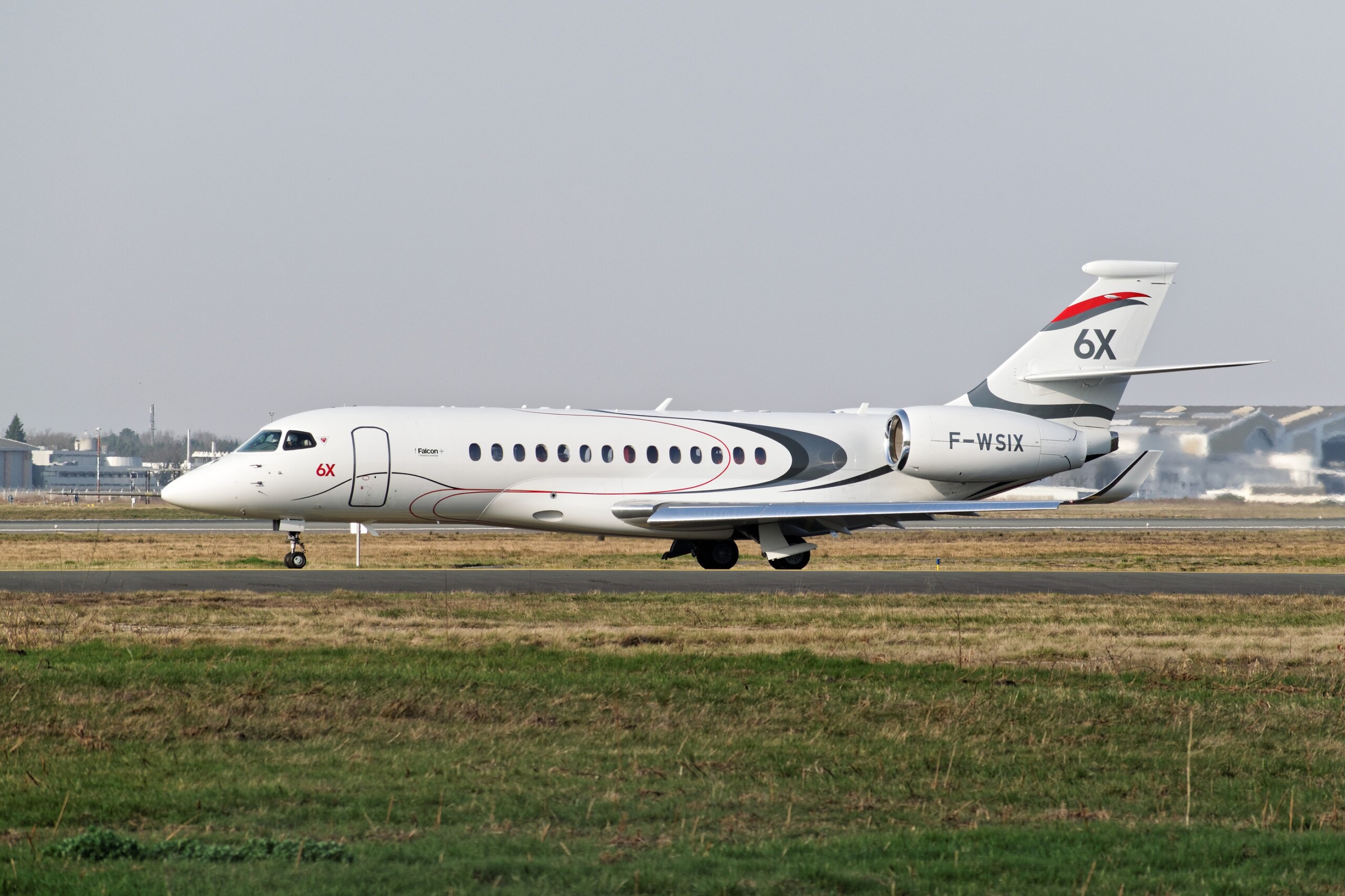
FAA Proposes Falcon 6X Airworthiness Limitations Maintenance Mandate
By Rashid · 1 hour ago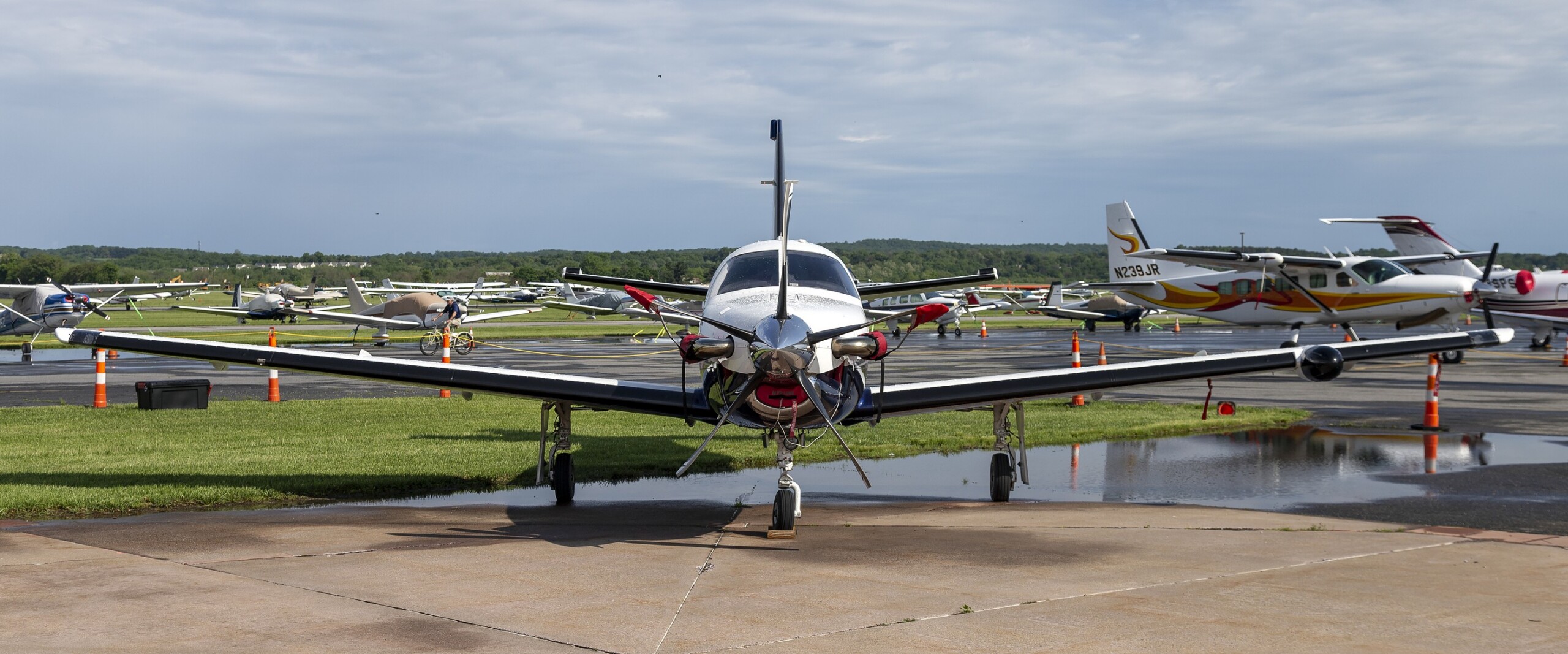
FAA Proposes Daher TBM 700 Main Landing Gear Forging Inspections
By Rashid · 5 hours ago
FAA Proposes Pratt & Whitney PW800 Engine Cyclic Limit Revisions for Gulfstreams
By Rashid · 11 hours ago