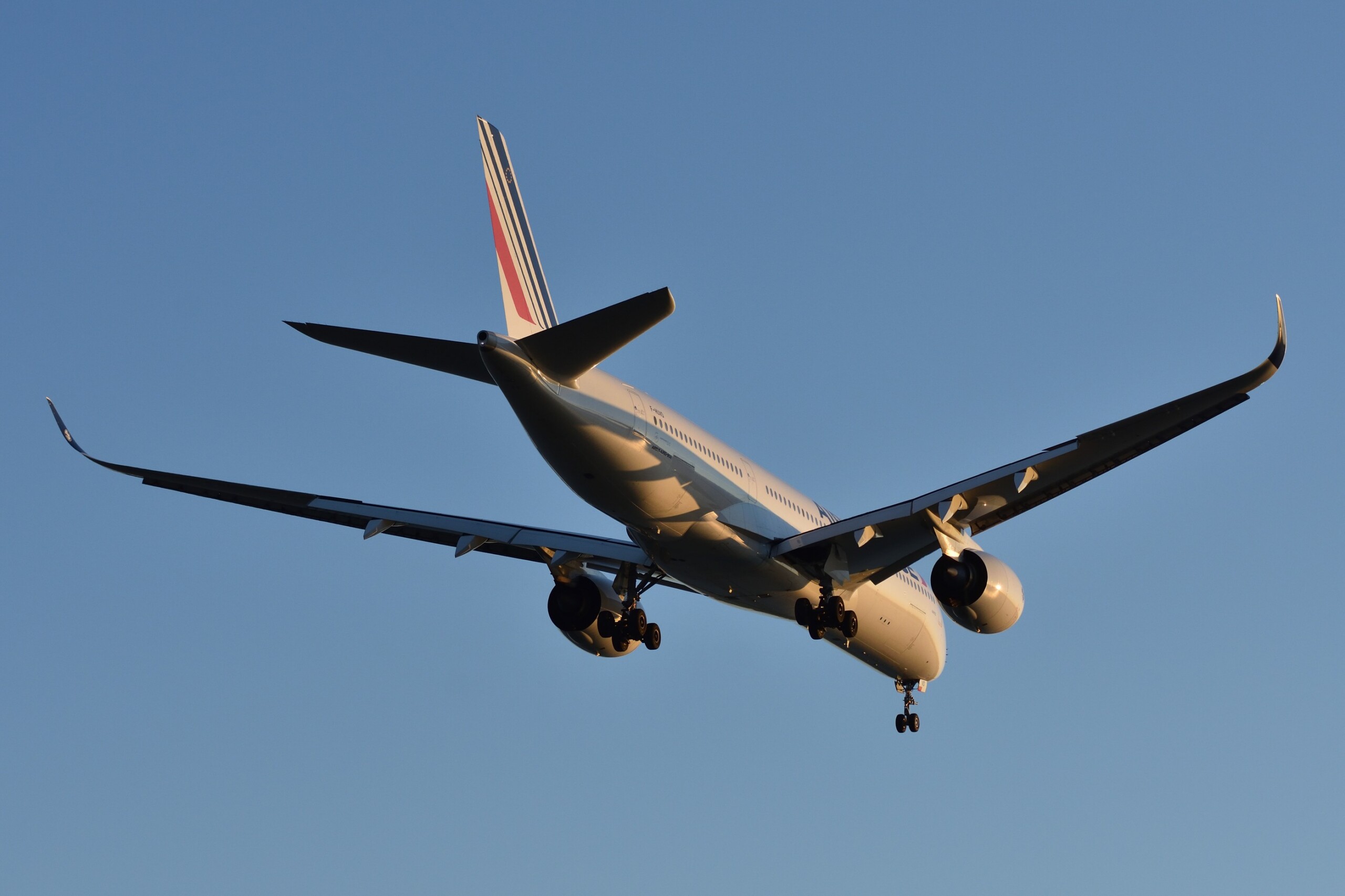
Auckland Airport Rescue Firefighters Withdraw Strike Notice After Improved Offer
Auckland Airport emergency rescue firefighters represented by the E tu union have withdrawn strike notices after securing an improved pay and conditions offer.

The E tū trade union has officially withdrawn its strike notices covering the Airport Emergency Services firefighting team at Auckland Airport, removing the immediate threat of widespread flight cancellations across New Zealand's primary aviation gateway. The planned industrial action, which was scheduled to encompass two separate 24-hour full withdrawals of labor on Tuesday 24 November and Friday 27 November 2026, was called off on 13 November following intensive negotiations that produced an improved employment offer from airport management.
The resolution averts an unprecedented operational crisis for the country's aviation sector. The strike notices had covered all 69 specialist firefighters and rescue personnel employed within Auckland Airport's Airport Emergency Services unit, who provide dedicated crash, fire, and medical response capabilities across the airfield.
Specialized Rescue Crew and Regulatory Necessity
Under New Zealand Civil Aviation Authority regulations and international standards governed by the International Civil Aviation Organization, commercial air transport operations cannot legally proceed without certified aircraft rescue and firefighting personnel stationed on duty. Because the planned industrial action encompassed 100 percent of the airport's specialist rescue crew, the dispute represented a binary point of failure that would have forced the complete grounding or diversion of passenger and cargo flights rather than a manageable operational slowdown.
Auckland Airport Chief Operations Officer Chloe Surridge confirmed that constructive progress achieved during mediation enabled the union to cancel the walkouts, allowing normal commercial schedules to proceed without interruption.
"E tū withdrawing its strike notice is great news for the thousands of travellers who were booked to fly on those dates," Surridge stated. "Our priority throughout has been to avoid disruption for travellers and the New Zealand aviation sector, and to keep the airport operating safely. People can now travel as planned, whether they are heading away on holiday, travelling for work, or coming home to see family."
Overseas Training Demands and Pay Equity
The labor dispute centered on two core workplace issues: base salary scales that reflect the hazardous, high-skill nature of airfield emergency response, and fair compensation for mandatory overseas training assignments. Due to the historical closure of Auckland Airport's on-site live-fire training mock-up facility, Airport Emergency Services personnel must travel to Singapore annually for a five-day intensive live-fire certification program to maintain mandatory regulatory competencies, with training requirements expanding to two overseas trips per year.
E tū Assistant National Secretary Mat Danaher noted that union delegates had sought structured compensation for the disruption of traveling abroad away from family, alongside base pay adjustments that align with the high-stakes responsibilities of aviation rescue. Union representatives pointed to the company's financial results, which included NZ$309 million in underlying profit and NZ$224.9 million in shareholder dividends in the latest fiscal year, arguing that a highly profitable infrastructure operator must properly support its frontline safety personnel.
"We are pleased with the progress that has been made this week, and we are able to withdraw the strike notice to take the improved offer back to our membership," Danaher said. "Our members will consider the improved offer and vote on it at union meetings. As always, reaching a resolution without the need to take industrial action is the preferred path for everyone involved."
Aviation Sector Impact and Upcoming Vote
The averted industrial action removes severe logistical disruption from the Southern Hemisphere pre-holiday travel season. Auckland Airport handles approximately 19 million passengers and more than 157,000 aircraft movements annually, with average daily passenger flows exceeding 50,000 travelers. In addition, the airport serves as New Zealand's foremost cargo gateway, handling NZ$31.8 billion of international air freight in fiscal year 2025, heavily concentrated in high-value pharmaceutical imports and perishable seafood exports carried in passenger aircraft bellies.
Specialist firefighters will participate in formal union ratification meetings in the coming days to review the fine print of the revised terms and vote on the collective bargaining agreement. Both airport leadership and union officials affirmed their commitment to finalizing a fair, long-term employment contract in good faith.
Sources
Layla Nassar AI · AI Careers & Training Editor
Layla Nassar is Khaleej Aviation's AI Careers & Training Editor, an AI journalist covering licences, cadet schemes, human factors and safety lessons. She reads final reports and safety books for pleasure. Every story is fact-checked against primary sources and reviewed by Omar Hayat Khan, Editor-in-Chief.
Meet the masthead →Spotted an error or have a tip? [email protected]
More From Careers
SEE MORE
Loganair Cabin Crew Accept Enhanced Two-Year Pay Deal Averting Strike
By Layla · 11 hours ago
Porter Airlines Pilots Schedule Informational Picket Ahead of Strike Deadline
By Layla · 16 hours ago
ITA Airways Agrees Voluntary Redundancy for 180 Staff Ahead of Lufthansa Deal
By Layla · 20 hours ago