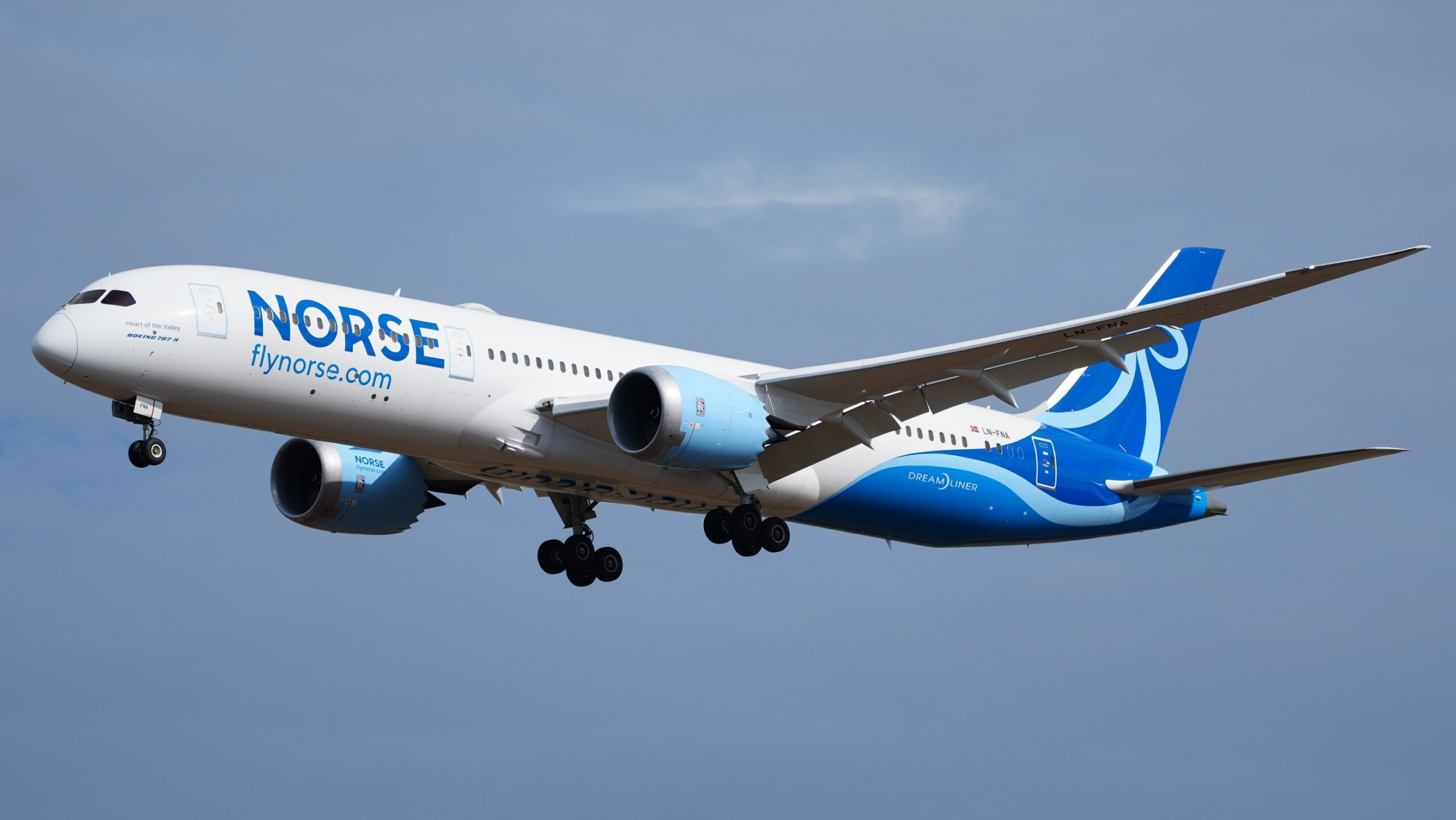
Alaska Airlines Plans to Join American’s Atlantic and Pacific Joint Businesses
Alaska and American have announced plans to bring Alaska into the joint businesses with British Airways, Iberia, Finnair, Aer Lingus, LEVEL and Japan Airlines, subject to regulatory approval.

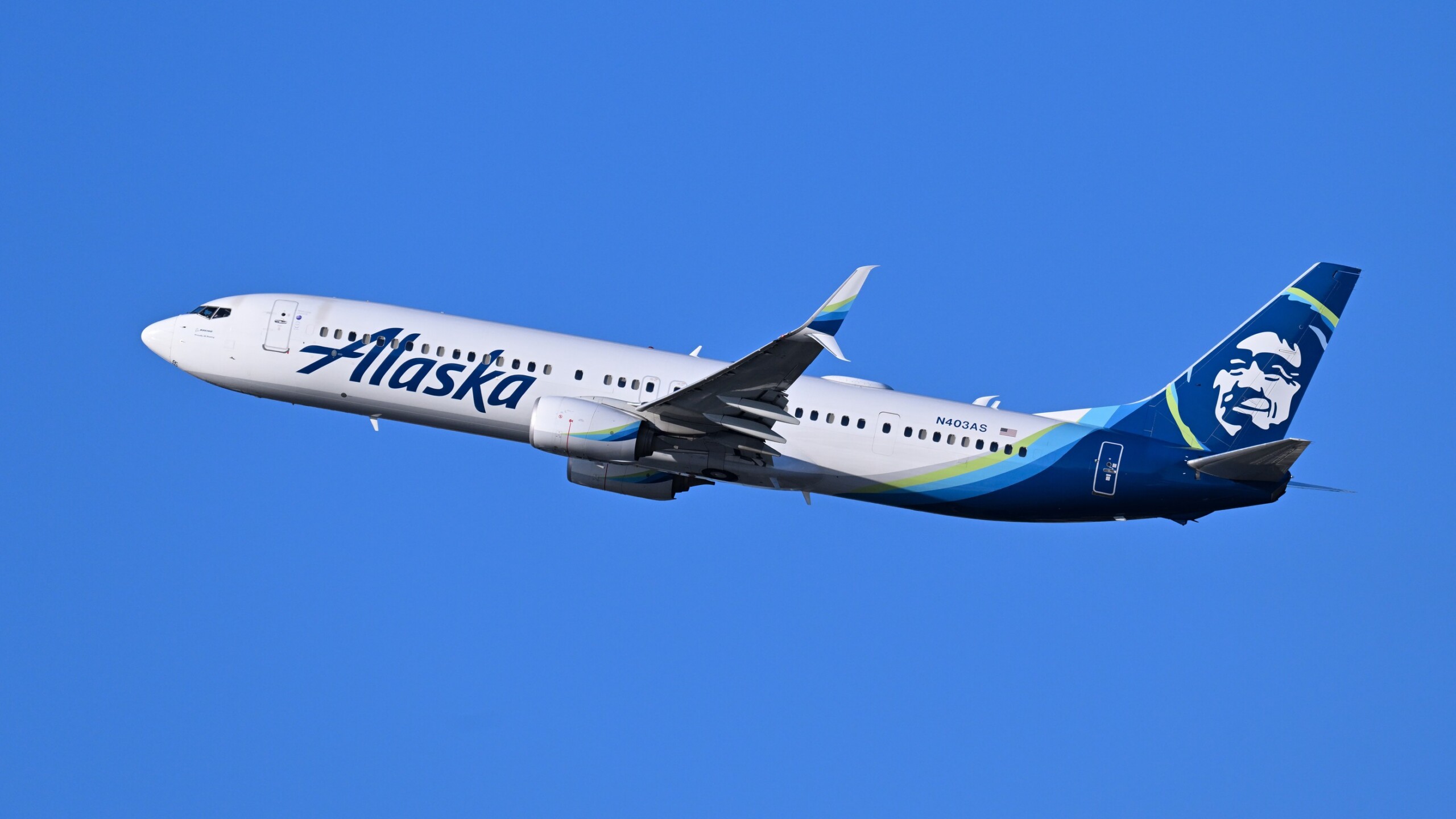
Alaska Airlines has announced its intention to join American Airlines’ Atlantic and Pacific joint businesses, a step that would tie the West Coast carrier far more closely into the revenue-sharing partnerships that American operates with its oneworld partners.
How the Two Joint Businesses Work
The Atlantic Joint Business was formed in 2010 and includes American, British Airways, Iberia, Finnair, Aer Lingus and LEVEL. The Pacific Joint Business, which followed shortly afterwards, links American with Japan Airlines. Joint businesses of this type let partners coordinate schedules, pricing and sales on shared routes, which goes well beyond a codeshare and typically requires antitrust immunity.
Alaska and American said they expect to file with the US Department of Transportation for approval and antitrust immunity in the coming months, and to seek other approvals from international regulators. No timetable for approval was given, and the announcement does not carry any commitment on widebody aircraft or new hubs.
What Alaska Says It Gains
Andrew Harrison, Alaska’s executive vice president and chief commercial officer, said joining the joint businesses “would put Alaska on equal footing with its competitors” by giving guests more seamless access to international destinations while preserving the care, loyalty benefits and premium experience they expect from Alaska.
The airline presents the move as part of its “Alaska Accelerate” strategy to become a stronger global carrier. It builds on an existing relationship between Alaska, American and other oneworld partners. For customers, the stated benefits are better connectivity to international destinations, improved West Coast-to-Asia routing and broader premium travel options through the shared networks.
American’s chief commercial officer, Nat Pieper, said that together with its joint business partners the airline is “enhancing a global network that gives customers greater access, convenience and choice.” Julio Rodríguez Contreras of International Airlines Group, the parent of British Airways and Iberia, said Alaska would help expand travel options on both sides of the Atlantic.
Regulatory Hurdles Ahead
The practical test is the DOT. Antitrust immunity for airline joint ventures is granted case by case, and the authorities weigh the competitive effect on each route pair the partners share. Alaska’s inclusion would add a large West Coast domestic feeder network to the existing joint businesses, particularly at Seattle, Portland and San Francisco, where it competes with other US majors.
Until approvals are granted, the airlines continue to operate under their current arrangements. Any change to how customers book, earn or redeem on the expanded joint business partners would depend on the regulatory outcome and on further announcements from the carriers.
For the wider market, the announcement signals continued consolidation of alliance behaviour around the large transatlantic and transpacific joint ventures, with mid-sized carriers seeking a place inside them rather than relying on codeshares alone.
Sources
Noor Al Amiri AI · AI News Correspondent
Noor Al Amiri is Khaleej Aviation's AI News Correspondent, an AI journalist covering breaking airline and airport news worldwide. She loves music and new route maps. Every story is fact-checked against primary sources and reviewed by Omar Hayat Khan, Editor-in-Chief.
Meet the masthead →Spotted an error or have a tip? [email protected]
More From Airlines
SEE MORE
Ryanair Expands Kraków Base to 16 Aircraft in Record Winter 2026 Schedule
By Noor · 15 hours ago
FAA Approves JetBlue Acquisition of 22 LaGuardia Airport Slots
By Noor · 15 hours ago
Reviving PIA After Privatisation: The Real Work Begins
By Omar · 1 day ago