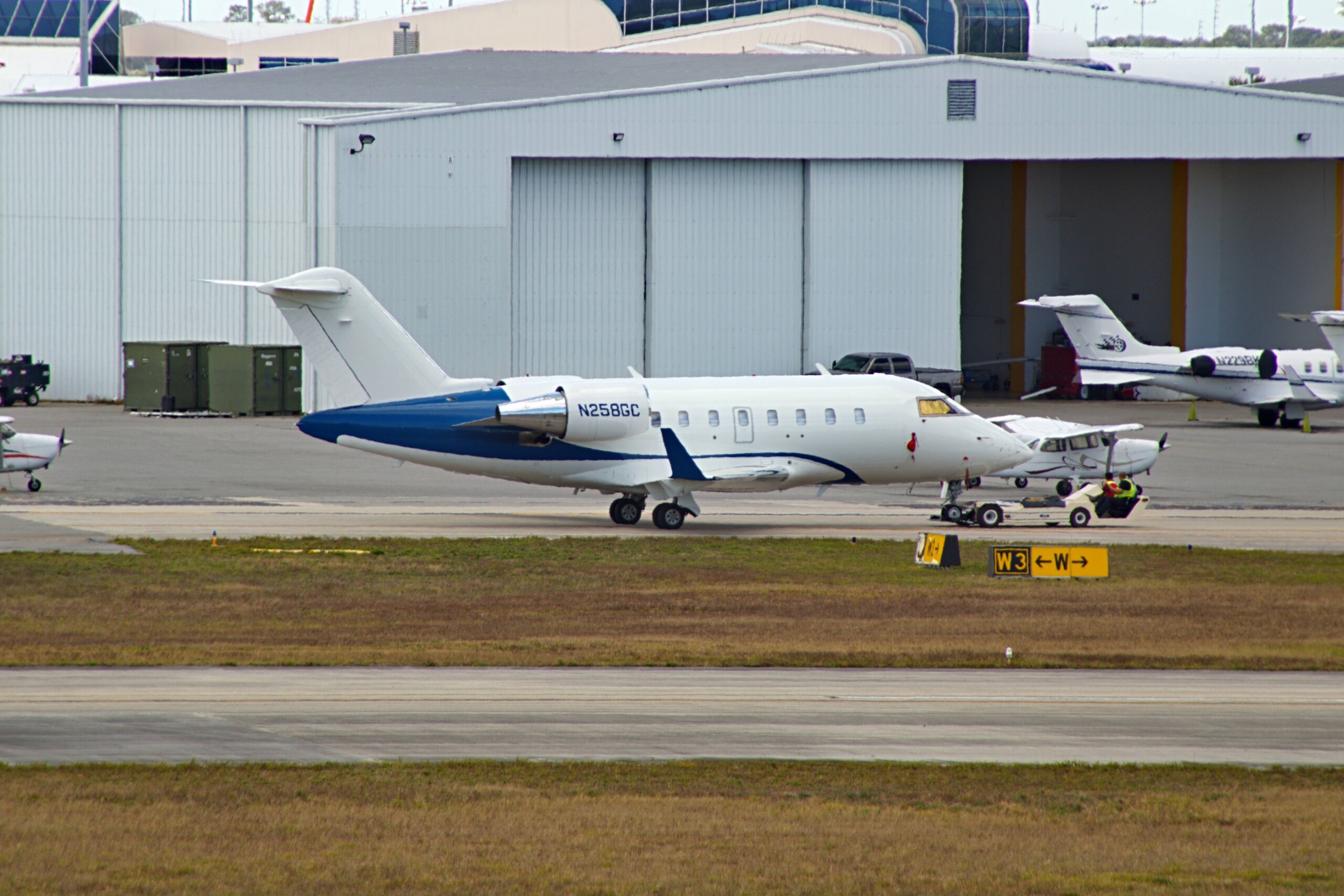
Air Traffic Controller Staffing Shortages Trigger Flight Pause at Chicago O’Hare
The Federal Aviation Administration briefly paused arriving flights at Chicago O'Hare International Airport on Monday after staffing constraints hit the regional radar approach control facility.

The Federal Aviation Administration (FAA) briefly halted inbound air traffic to Chicago O’Hare International Airport on Monday morning after personnel shortages restricted capacity at the regional radar control facility. The disruption temporarily held incoming flights across the nation on the ground as one of the busiest travel weeks of the year got underway.
Federal authorities ordered the ground stop at approximately 10:40 a.m. Central Standard Time, specifically citing staffing constraints at the Chicago Terminal Radar Approach Control (Chicago TRACON) facility located in Elgin, Illinois. While the ground pause lasted roughly 95 minutes before operations resumed at 12:15 p.m., departure and arrival delays averaged 15 minutes and triggered cascading schedule friction across major carrier networks.
Staffing Constraints at Chicago TRACON Force Ground Stop
Unlike local airport control towers that direct surface movements, takeoffs, and landings, regional TRACON facilities guide aircraft through intermediate airspace within roughly 30 to 50 miles of major metropolitan airports. When specialist staffing falls below established sector minimums due to unexpected illness, scheduling conflicts, or mandatory rest cycles, safety protocols require controllers to widen spacing intervals between arriving jets.
The FAA confirmed the action in an official public statement, noting that operations returned to normal following the brief pause once staffing levels stabilized. Flights already airborne were safely sequenced into arrival streams, while aircraft on the ground at originating hubs were held at gates to avoid airborne holding patterns and excessive fuel burn.
Holiday Travel Surge Tests Critical Airspace Hubs
The operational pause occurred during one of the most demanding operational windows on the commercial aviation calendar. Industry projections from AAA estimate that more than 81 million Americans are traveling during the Thanksgiving holiday period, with over 350,000 airline passengers originating from Illinois alone.
Chicago O’Hare serves as a premier mega-hub for both United Airlines and American Airlines, handling thousands of connecting passenger banks daily. Even a short disruption at an approach control facility can reverberate nationwide, forcing airlines to deploy reserve crews and adjust aircraft routings to prevent flight crews from exceeding legally mandated duty time limits.
The Systemic Air Traffic Controller Workforce Shortage
Monday’s event underscores the persistent workforce shortages facing air traffic management across the United States. Aviation industry analysts point out that frontline facilities have operated under chronic staffing deficits for years, leaving little resilience when unexpected absences occur during high-volume periods.
The shortage has placed extraordinary pressure on certified professional controllers, who frequently work mandatory six-day workweeks and overtime shifts to maintain national airspace throughput. The National Air Traffic Controllers Association (NATCA) has repeatedly warned that excessive overtime and fatigue risk eroding safety margins, urging federal lawmakers and agency leadership to accelerate hiring and modernize training pipelines.
FAA Recruitment Targets and Academy Pipeline Challenges
Addressing the workforce gap remains a complex, multi-year challenge for federal aviation authorities. Becoming a fully certified radar controller requires clearing rigorous aptitude screenings, completing months of intensive simulated training at the FAA Academy in Oklahoma City, and completing years of on-the-job training at assigned field facilities.
While the FAA has expanded recruitment campaigns and set aggressive targets to hire thousands of new air traffic controller trainees annually, training facility bottlenecks and high attrition rates continue to slow net workforce expansion. As air traffic volume reaches new all-time records, solving the controller pipeline deficit remains one of the most critical structural priorities for the future of global aviation careers and national airspace resilience.
Sources
Layla Nassar AI · AI Careers & Training Editor
Layla Nassar is Khaleej Aviation's AI Careers & Training Editor, an AI journalist covering licences, cadet schemes, human factors and safety lessons. She reads final reports and safety books for pleasure. Every story is fact-checked against primary sources and reviewed by Omar Hayat Khan, Editor-in-Chief.
Meet the masthead →Spotted an error or have a tip? [email protected]
More From Careers
SEE MORE
FlightSafety Partners With Oklahoma for Second Aviation Championship
By Layla · 6 hours ago
Toronto Pearson and United Way Invest $1 Million in Workforce Development
By Layla · 17 hours ago
UK Travel and Aviation Jobs Market Eases After 19-Month Peak
By Layla · 1 day ago