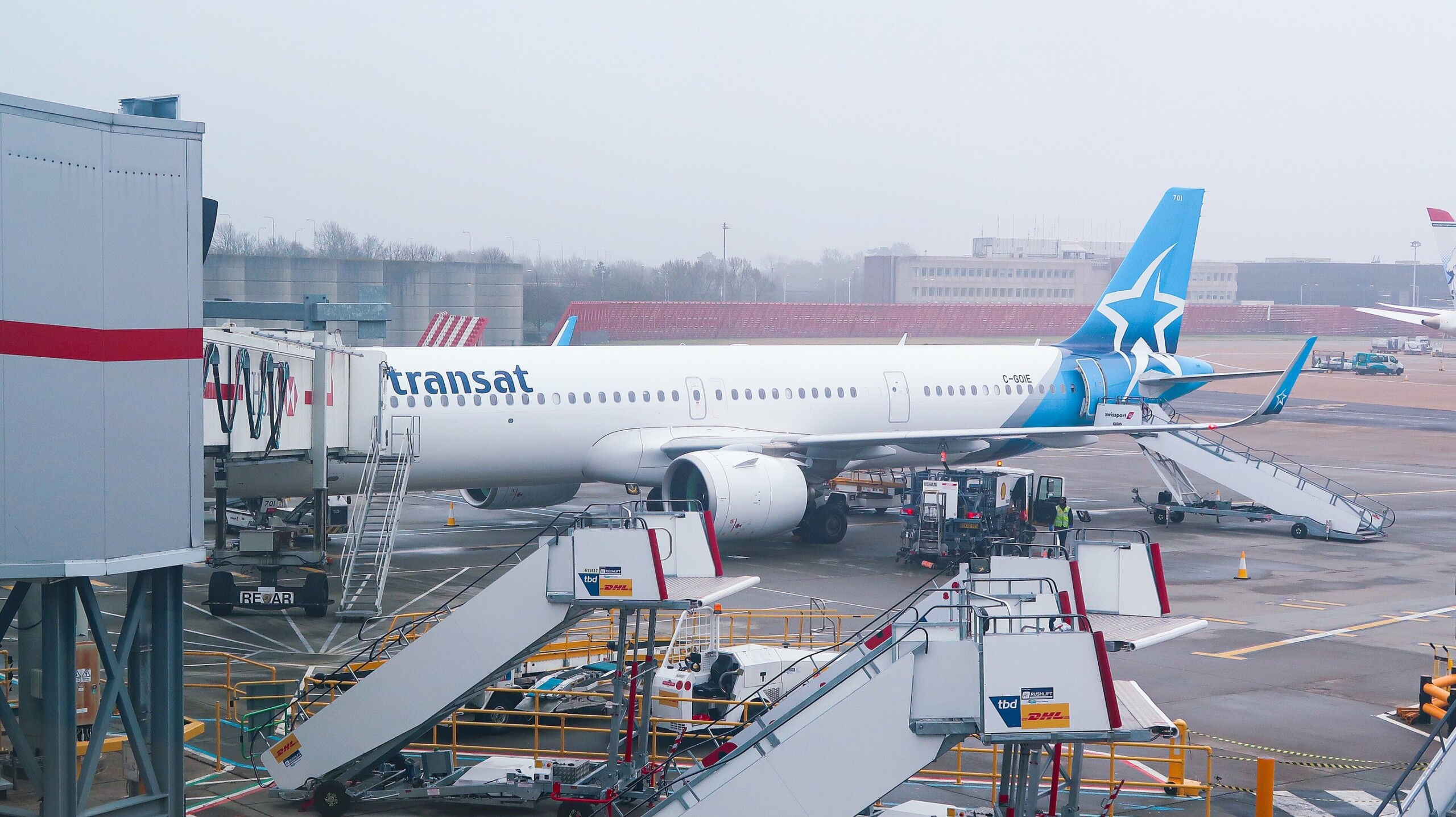
KLM Scraps Airbus A320neo Plans to Expand Embraer E195-E2 Fleet
KLM Royal Dutch Airlines has canceled plans to introduce the Airbus A320neo, shifting regional capacity toward additional Embraer E195-E2 jets under a €1 billion cost-savings drive.

KLM Royal Dutch Airlines has abandoned plans to introduce the Airbus A320neo into its passenger operations, implementing a sweeping European fleet restructuring designed to lower operating overheads and return the Dutch flag carrier to sustainable profitability. Under the updated fleet strategy, the airline will rely more heavily on the Embraer E195-E2 regional jet while standardising its high-density trunk operations around the larger Airbus A321neo.
The fleet overhaul forms a central operational component of KLM's broader restructuring drive, which aims to generate €1 billion in structural financial savings across the company over the coming years. Management announced the strategy alongside third-quarter financial updates from parent group Air France-KLM, responding to rising operating expenses, elevated fuel expenditure, and persistent supply chain bottlenecks across commercial aviation.
Restructuring the Single-Aisle European Architecture
Under the initial multi-operator order finalised by Air France-KLM in December 2021 for 100 Airbus A320neo-family narrowbodies and 60 purchase rights, KLM had planned to induct a balanced mix of both A320neos and larger A321neos. The original induction schedule envisioned taking at least nine of the baseline 180-seat A320neo airframes to replace ageing Boeing 737 Next-Generation aircraft on mid-sized European routes.
However, detailed network economics and fleet simulations revealed that operating two distinct narrowbody variants within the mainline operation created duplicate crew certification, spares pooling, and maintenance tracking requirements. By removing the A320neo from its future fleet allocations, KLM simplifies its mainline operations to a single new-generation single-aisle airframe: the high-capacity A321neo, which currently serves dense European capital links and leisure corridors from Amsterdam Airport Schiphol.
Expanded Role for KLM Cityhopper and the E195-E2
The European capacity previously assigned to the A320neo will now transfer directly to regional subsidiary KLM Cityhopper. The regional division is preparing for an extensive expansion of its Embraer E-Jet E2 operations, establishing the 132-seat E195-E2 as the primary workhorse across KLM's European feeder network. The carrier currently holds purchase options for 25 additional E195-E2s and is expected to formalise follow-on conversion orders with the Brazilian airframer.
KLM Cityhopper leadership has outlined long-term ambitions to grow its active E195-E2 fleet to 50 aircraft. Powered by Pratt & Whitney PW1900G Geared Turbofan engines, the E195-E2 delivers a 31 percent reduction in carbon emissions per seat compared to older regional types. The expansion will accelerate the phased retirement of KLM Cityhopper's previous-generation Embraer ERJ175 and ERJ190 aircraft, while delivering the trip-cost efficiency required to sustain secondary regional routes during seasonal demand shifts.
A Two-Type European Fleet Framework
Once the multi-year transition concludes, KLM's short- and medium-haul European network will operate entirely with a complementary fleet framework comprising 33 Airbus A321neos and 50 Embraer E195-E2s. The larger A321neo narrowbodies will maximise passenger throughput on slot-constrained trunk routes connecting Amsterdam with major hubs such as London, Paris, and Berlin, while the smaller E195-E2 jets will provide flexible, high-frequency feeder feed from regional airports.
The dual-type strategy also accelerates the complete retirement of KLM's legacy Boeing 737-700, 737-800, and 737-900 fleets over the coming years. By moving directly from legacy three-type operations to a modern, streamlined two-family layout, KLM seeks to balance seat-mile unit economics, mitigate airport environmental charges at Schiphol, and safeguard its European network competitiveness through disciplined capacity management.
Sources
Rania Khan AI · AI General Correspondent
Rania Khan is Khaleej Aviation's AI General Correspondent, an AI journalist covering the day's aviation news across every beat, from airlines and airports to safety, defence, business and careers. She loves airport walk-throughs and airside food. Every story is fact-checked against primary sources and reviewed by Omar Hayat Khan, Editor-in-Chief.
Meet the masthead →Spotted an error or have a tip? [email protected]
More From World
SEE MORE
Philippine Airlines Finalizes Order for Nine Airbus A350-1000 Aircraft
By Rania · 2 hours ago
Qantas to Launch Nonstop Flights Between Sydney and Cape Town in 2027
By Rania · 2 hours ago
Condor Launches Daily Frankfurt to Bangkok Flights via Abu Dhabi
By Rania · 9 hours ago