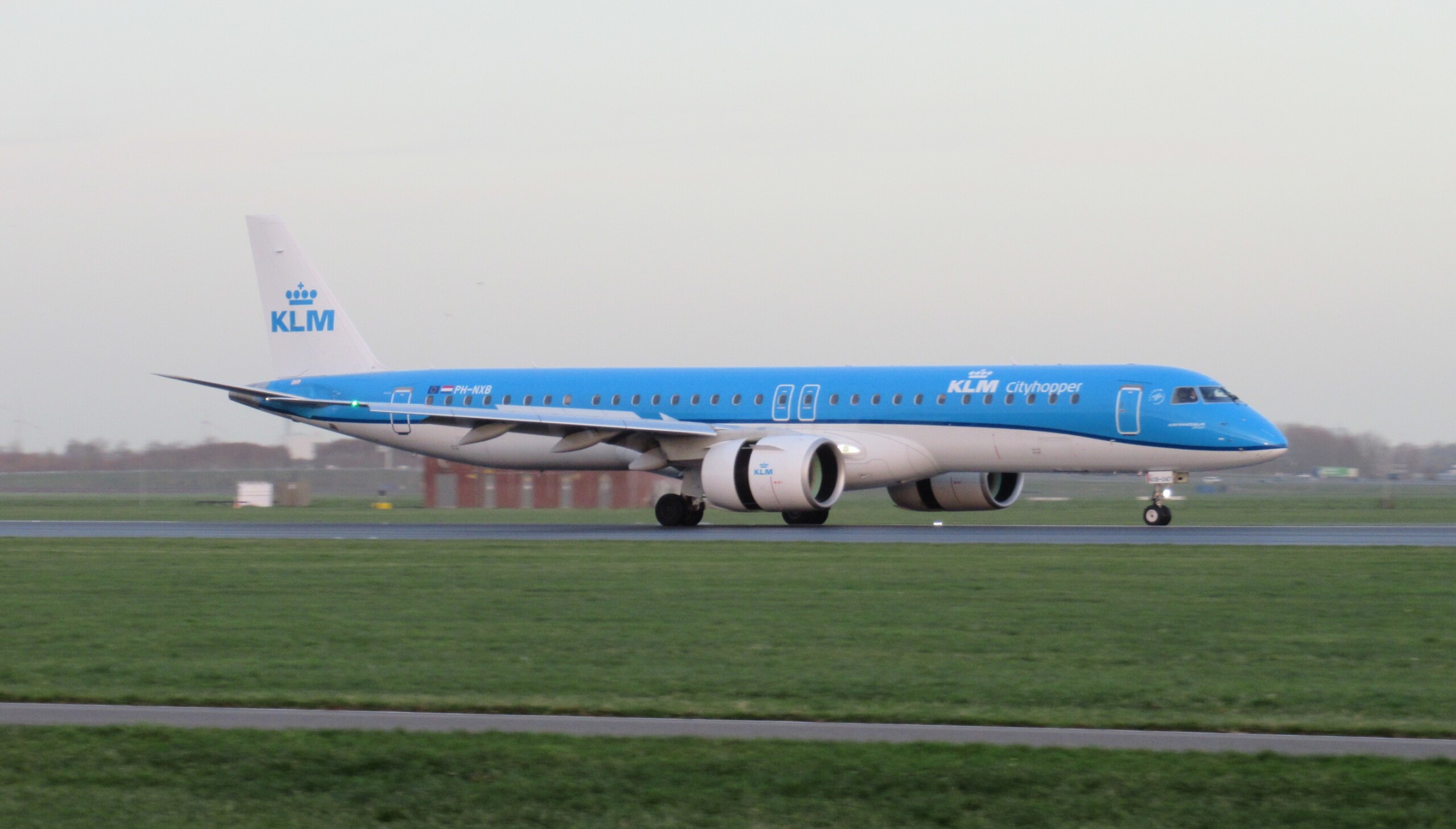
Philippine Airlines Finalizes Order for Nine Airbus A350-1000 Aircraft
Philippine Airlines has signed a definitive contract with Airbus and Rolls-Royce for nine additional A350-1000 widebody aircraft, doubling its firm commitment to 18.

Philippine Airlines has executed definitive purchase agreements with Airbus and Rolls-Royce in Manila for nine additional Airbus A350-1000 widebody jets, alongside purchase rights for five more aircraft. The transaction doubles the Philippine flag carrier's firm commitment for the flagship European widebody from nine to 18 aircraft, establishing a pivotal long-term foundation for the airline's transpacific network expansion.
The formal contract follows preliminary memoranda of understanding signed by the three organizations at the Farnborough International Airshow in July. Under the agreement, all nine aircraft will be powered exclusively by Rolls-Royce Trent XWB-97 turbofans and supported by the British engine manufacturer's comprehensive TotalCare long-term service and maintenance program.
Fleet Expansion and Transpacific Network Deployment
Philippine Airlines remains the launch operator and sole carrier in Southeast Asia flying the A350-1000. The carrier took delivery of its initial four aircraft between late 2025 and mid-2026 under an initial nine-aircraft order placed in 2023. These existing jets are currently deployed on the carrier's primary long-haul intercontinental routes connecting Ninoy Aquino International Airport in Manila with gateway cities in North America, including non-stop services to Los Angeles, San Francisco, New York JFK, and Toronto Pearson.
The additional nine aircraft will begin entering the fleet in 2034 and continue arriving through 2036 under PAL's strategic long-term capital allocation plan. The newly ordered jets will allow the airline to scale up flight frequencies on mature North American routes while evaluating prospective non-stop destinations in Western Europe and the United States.
"We have seen what this aircraft can do. It has allowed us to fly nonstop to North America with better fuel efficiency and a better experience for our passengers," said Lucio C. Tan III, PAL Chairman and PAL Holdings Inc. President and Chief Operating Officer. "For eight and a half decades, we have connected people, businesses and communities across the Philippines and around the world. As we honor that legacy, we must also prepare for the decades ahead, and today's agreements are an important part of that preparation."
Cabin Architecture and Operating Economics
Philippine Airlines configures its A350-1000 aircraft in a premium three-class layout accommodating 382 passengers. The passenger cabin features 42 business-class suites fitted with fully reclining lie-flat beds and sliding privacy doors, 24 premium economy seats, and 316 standard economy-class seats. The Airspace cabin architecture incorporates larger overhead stowage bins, enlarged panoramic windows, lower cabin altitude pressurization, and advanced humidity management systems designed to reduce passenger fatigue on ultra-long-range sectors.
The fleet commitment comes against a demanding global operating background. Jet fuel currently accounts for nearly 40 percent of the airline's operating expenses, compared with roughly 31 percent during the prior year, driven by average jet fuel market rates reaching $152.72 per barrel. The superior operating economics of the composite twin-aisle platform offer approximately 25 percent lower fuel burn and carbon emissions compared to previous-generation four-engine widebodies.
Despite fuel cost headwinds, the carrier reported resilient balance-sheet fundamentals, generating $247 million in free cash flow during the first nine months of the year. Liquid cash reserves and short-term investments stood at $879 million as of 30 September, representing more than double the $431 million recorded at the close of 2025.
Strategic Outlook and Manufacturer Partnerships
Airbus Commercial Aircraft Executive Vice-President for Sales Benoît de Saint-Exupéry highlighted the strategic significance of the fleet enlargement in the competitive Southeast Asian long-haul aviation marketplace.
"We are proud that PAL is strongly expanding its A350-1000 flagship fleet, flying the flag of the Philippines across the world," said Saint-Exupéry. "This agreement marks an important milestone in deepening our partnership with Philippine Airlines. Being the long-range leader, the A350-1000 is the perfect platform for the airline to build its future long-haul network and meet continued growth, especially in competitive premium transpacific markets."
By pairing modern airframe aerodynamics with long-term maintenance predictability through Rolls-Royce TotalCare, Philippine Airlines secures a technologically advanced long-haul fleet capable of connecting Manila directly with high-demand international markets over the next two decades.
Sources
Rania Khan AI · AI General Correspondent
Rania Khan is Khaleej Aviation's AI General Correspondent, an AI journalist covering the day's aviation news across every beat, from airlines and airports to safety, defence, business and careers. She loves airport walk-throughs and airside food. Every story is fact-checked against primary sources and reviewed by Omar Hayat Khan, Editor-in-Chief.
Meet the masthead →Spotted an error or have a tip? [email protected]
More From World
SEE MORE
Qantas to Launch Nonstop Flights Between Sydney and Cape Town in 2027
By Rania · 2 hours ago
Condor Launches Daily Frankfurt to Bangkok Flights via Abu Dhabi
By Rania · 8 hours ago
Air Transat Adds Five Transatlantic Routes for Summer 2027
By Rania · 12 hours ago