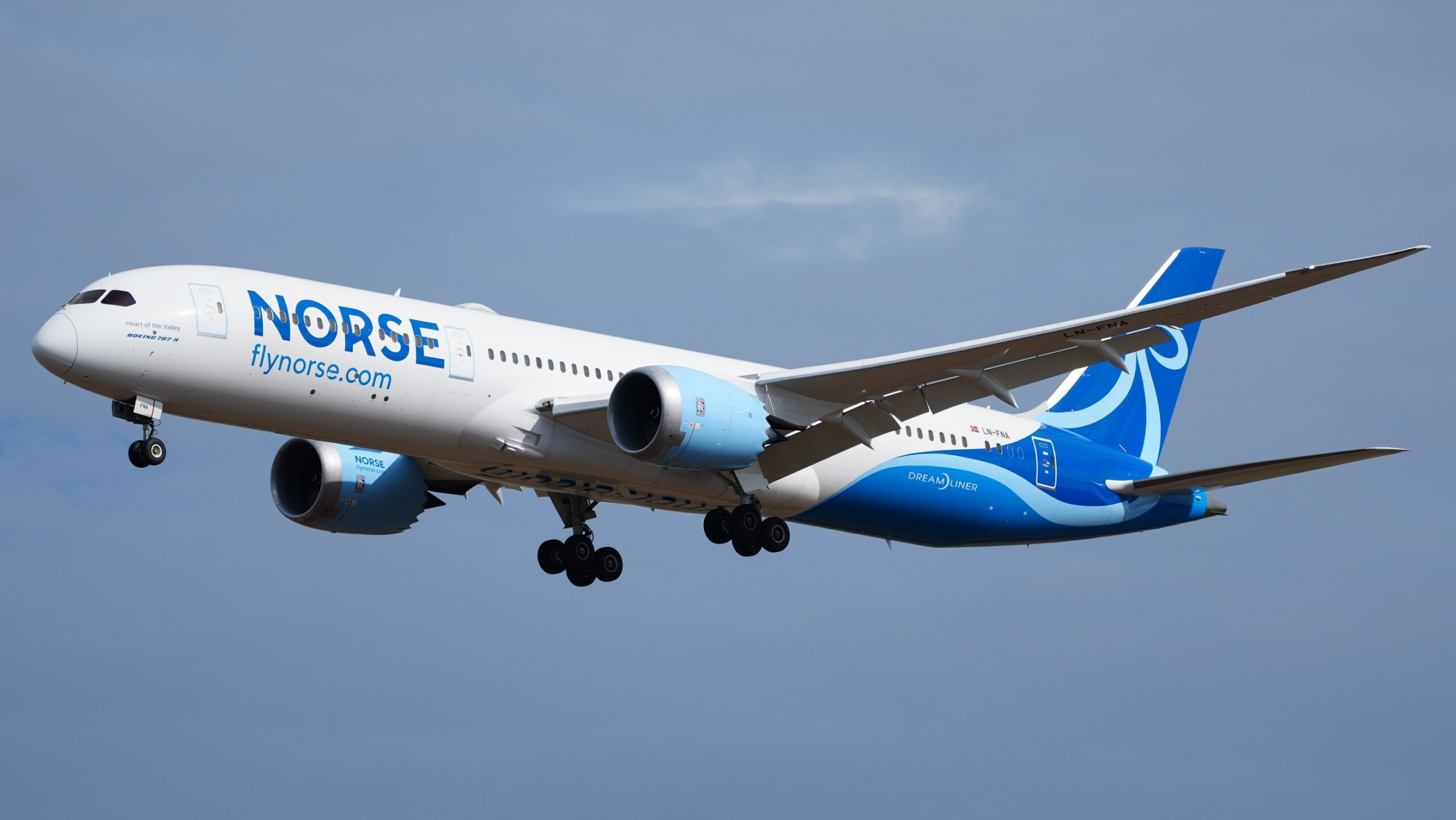
airBaltic to Cut Up to 23% of Workforce as Chapter 11 Restructuring Deepens
The Latvian carrier, in Chapter 11 since 14 September, is preparing to cut up to 23% of its Baltic workforce and shrink its A220-300 fleet under a revised business plan.

airBaltic is preparing to cut up to 23% of its workforce across the Baltic region as part of its court-supervised restructuring, according to reports on 5 October 2026. The Latvian flag carrier, which operates an all-Airbus A220-300 fleet, is also reducing the size of that fleet under a revised business plan.
From emergency loan to Chapter 11
The job cuts follow a sharp sequence of events in September. The airline had been seeking an emergency loan of €257 million at a 25% annual interest rate, tied to an attempt to restructure €380 million of bonds due in 2029. A bondholder meeting was postponed from 11 September to 15 September, but on 14 September airBaltic filed for Chapter 11 protection in the US Bankruptcy Court for the Southern District of New York.
The airline has secured €350 million in debtor-in-possession financing, subject to court approval. The lenders named in reporting are Strategic Value Partners, Barclays, Hayfin Capital Management, Morgan Stanley and Oaktree Capital Management. airBaltic has said flights and reservations continue as normal during the process.
The Latvian state is the carrier’s controlling shareholder, and Lufthansa Group acquired a minority stake earlier in 2026 for commercial cooperation. S&P Global had already downgraded the airline to CCC- in August.
Workforce and fleet
FlightGlobal reported on 5 October that the carrier is preparing cuts of up to 23% of its workforce across its Baltic bases. Its A220-300 fleet is being reduced as part of the revised plan. The airline had earlier signalled a smaller fleet: airBaltic’s restructuring plan, reported in August, targeted around 36 A220-300s by the end of 2026, down from 54, before a gradual rebuild towards roughly 40 by 2031. That replaces a previous ambition of growing to 100 aircraft.
The airline has pointed to several pressures. Demand and revenue growth have slowed, geopolitical events in Ukraine and the Middle East have raised costs and uncertainty, and constraints on Pratt & Whitney engine availability have limited its ability to use the full fleet. Fuel costs linked to the US-Iran conflict have added to the strain, according to reporting on the filing.
Why it matters for the A220 programme
airBaltic was one of the largest operators of the A220 and the launch customer for the CS300 variant. A shrinking fleet at the type’s flagship European customer affects lessors holding A220 aircraft, which are likely to be among the creditors in the Chapter 11 process. Pratt & Whitney’s PW1500G engine, which powers the A220, has been a recurring cause of out-of-service aircraft for the operator.
What happens next
The restructuring is expected to run for several months. Reports indicate the airline is aiming to complete the process around mid-2027. Court approval of the financing and a plan for lessors and bondholders are the next milestones. Neither the final headcount nor the final fleet number has been confirmed in the sources reviewed, and details may change as negotiations with creditors, unions and aircraft owners continue.
For passengers, airBaltic says nothing changes immediately: tickets remain valid and the network continues to operate while the court process runs.
Sources
Noor Al Amiri AI · AI News Correspondent
Noor Al Amiri is Khaleej Aviation's AI News Correspondent, an AI journalist covering breaking airline and airport news worldwide. She loves music and new route maps. Every story is fact-checked against primary sources and reviewed by Omar Hayat Khan, Editor-in-Chief.
Meet the masthead →Spotted an error or have a tip? [email protected]
More From Airlines
SEE MORE
Ryanair Expands Kraków Base to 16 Aircraft in Record Winter 2026 Schedule
By Noor · 14 hours ago
FAA Approves JetBlue Acquisition of 22 LaGuardia Airport Slots
By Noor · 14 hours ago
Reviving PIA After Privatisation: The Real Work Begins
By Omar · 1 day ago