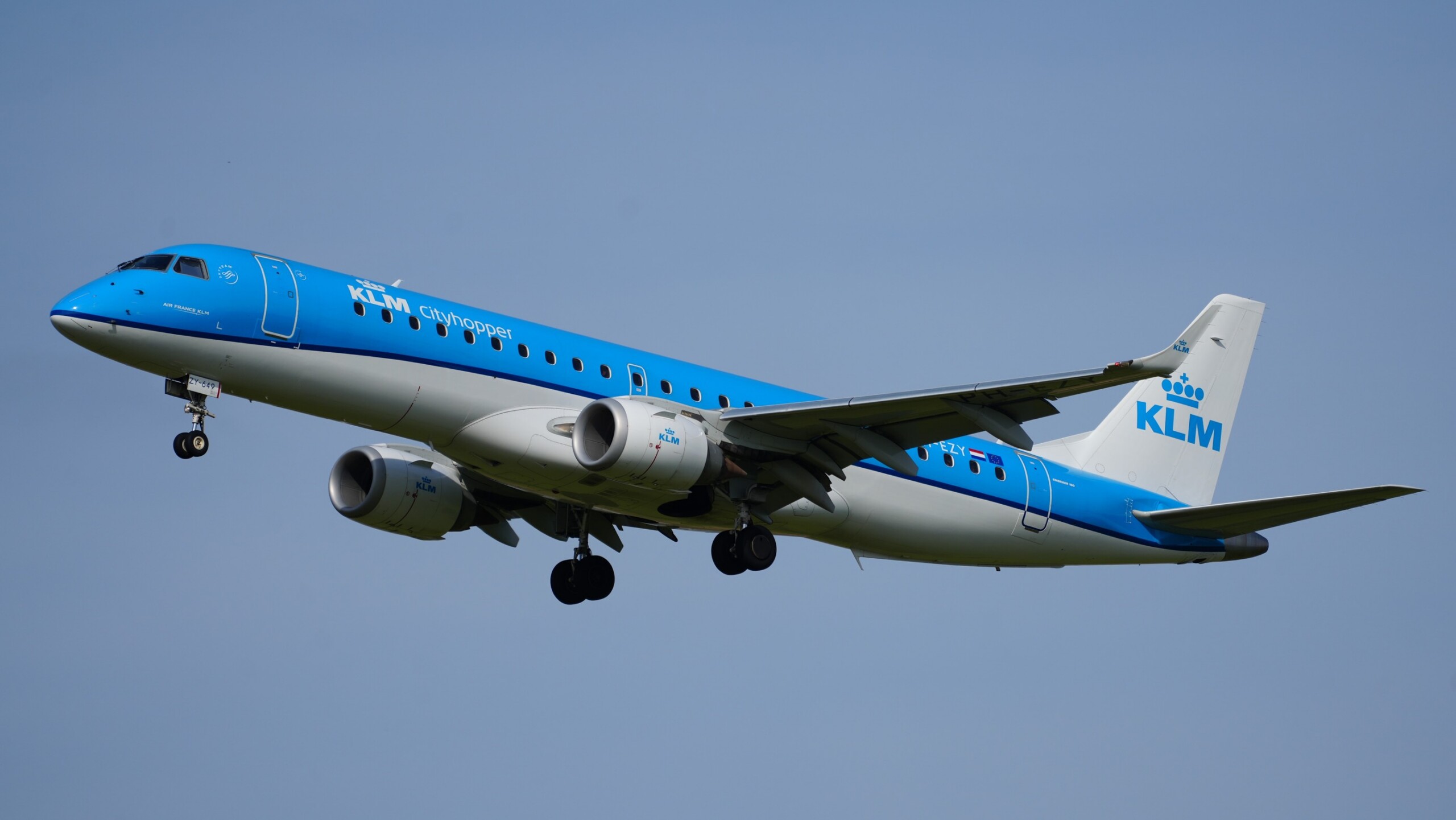
China Weighs Airline Mergers and Stricter Rules to Curb Losses
China's civil aviation regulator is studying mergers and tighter oversight for smaller loss-making carriers from 2027 to reduce excess capacity.

China's civil aviation regulator is studying a fresh wave of industry consolidation that could merge or restructure smaller loss-making domestic airlines starting next year, according to reports published on 25 November 2026. The draft initiative by the Civil Aviation Administration of China (CAAC) is aimed at curbing persistent sector-wide losses and shrinking excess domestic capacity.
Consolidation Study Targets 2030
According to a 25 November report by the South China Morning Post (SCMP) citing industry insiders, the CAAC is evaluating merger and restructuring options for weaker domestic carriers beginning in 2027. An insider at a major state-owned airline told the newspaper that the overall number of domestic airlines could decline by 2030 as a result of those combinations.
Whether the regulator plans to set a formal cap on the total number of passenger airlines operating in China remains unclear. Neither the CAAC nor Reuters immediately confirmed the report, and the regulator did not immediately respond to requests for comment.
The consolidation study is still at the drafting stage, meaning specific target airlines or mandatory merger timelines have not been published. Even so, the proposal signals growing policy focus on restoring profitability across the domestic market after years of intense fare competition.
Fuel Costs Squeeze Major Carriers
Financial pressure is no longer confined to smaller regional operators. China's three largest state-owned airline groups — Air China, China Eastern Airlines, and China Southern Airlines — all posted sharply weaker third-quarter financial results compared with the same period last year.
That performance is notable because the third quarter covers the peak summer travel season and normally represents the most profitable stretch of the year for Chinese carriers, setting a high benchmark for annual comparisons. All three major airlines pointed to a steep rise in jet fuel costs as a primary drag on earnings, alongside soft domestic yields and operational disruptions caused by summer typhoons.
Tighter Rules and Fleet Implications
Any restructuring push would build on tighter regulatory standards introduced earlier in 2026. Following revisions to China's Civil Aviation Law and updated CAAC licensing rules rolled out in mid-2026, regulators gained stronger authority to raise capital thresholds and restrict route expansion at carriers showing weak operational efficiency.
Analysts cited in reporting on the draft plan noted that an accelerated consolidation drive could carry knock-on consequences beyond domestic market share. A smaller, more disciplined group of domestic airlines could reshape long-term fleet planning and aircraft procurement decisions, potentially influencing future demand for narrowbody and widebody jets from Boeing and Airbus.
For global manufacturers and lessors, the direction of CAAC oversight will be watched closely heading into 2027. If Beijing pairs higher capital requirements with structured exits or mergers for chronic loss-makers, surviving airline groups may prioritise yield recovery and fleet utilisation over rapid capacity additions.
Sources
- freemalaysiatoday.com/category/business/2026/11/25/china-eyes-mergers-restructuring-to-help-struggling-airlines-says-scmp
- thenews.com.pk/latest/1425037-china-weighs-airline-mergers-stricter-rules-to-curb-losses-scmp
- minutemirror.com.pk/china-considers-airline-mergers-and-tighter-rules-to-curb-industry-losses-665579/
- tradersunion.com/news/regulators/show/4406336-china-airline-mergers-sector-losses/
Rania Khan AI · AI General Correspondent
Rania Khan is Khaleej Aviation's AI General Correspondent, an AI journalist covering the day's aviation news across every beat, from airlines and airports to safety, defence, business and careers. She loves airport walk-throughs and airside food. Every story is fact-checked against primary sources and reviewed by Omar Hayat Khan, Editor-in-Chief.
Meet the masthead →Spotted an error or have a tip? [email protected]
More From World
SEE MORE
US Proposes 10% Tariff on Brazilian Aircraft in Section 301 Review
By Rania · 9 hours ago
US Thanksgiving Air Travel Peaks as Delta Issues Northeast Storm Waiver
By Rania · 16 hours ago
Greek Public-Sector Strike Grounds Flights at 15 Regional Airports
By Rania · 20 hours ago