Embraer and ALADA Sign Government-To-Government Deal for KC-390 and A-29
Brazilian aerospace manufacturer Embraer and state-owned ALADA signed a framework agreement on 25 November 2026 to pursue government-to-government military aircraft sales in Latin America and Africa.

Embraer and Brazilian state-owned aerospace company ALADA signed a framework agreement on 25 November 2026 at the Mostra BID defence exhibition in Brasília to support government-to-government (G2G) military aircraft exports. The pact establishes commercial and operational guidelines for marketing the KC-390 Millennium transport and A-29 Super Tucano light attack aircraft to foreign governments whose procurement rules require state-to-state contracts.
Latin America and Africa are the initial target regions under the arrangement, which builds on a memorandum of understanding the two organisations signed in April 2026 during the FIDAE aerospace show in Santiago, Chile. No specific customer negotiations or firm aircraft orders were announced alongside the framework.
How Brazil's G2G Export Channel Works
Under regulations issued by Brazil's Ministry of Defense in March 2026, designated state-owned enterprises can act as institutional intermediaries for private domestic defence manufacturers in intergovernmental procurements. ALADA — formally Empresa de Projetos Aeroespaciais do Brasil S.A., a subsidiary of air navigation provider NAV Brasil created under legislation enacted in January 2025 — serves as the Brazilian state counterparty facing foreign ministries of defence, while Embraer remains the aircraft manufacturer and supplier.
Air Data News noted that the mechanism resembles the United States Foreign Military Sales (FMS) structure in allowing governments to negotiate directly and providing technical oversight on delivery schedules and quality compliance. Unlike the US system, however, participation by a Brazilian state-owned intermediary does not automatically carry a financial guarantee from Brazil's Treasury, even though the Ministry of Defense may assist with export financing discussions.
"This agreement establishes the conditions for countries that use the government-to-government procurement model to explore future opportunities to access Embraer's portfolio," said Fabio Caparica, Vice President of Contracts at Embraer Defense & Security. ALADA President Sergio Roberto de Almeida called the guidelines a milestone for consolidating Brazil's G2G model so future KC-390 and A-29 deals can be structured "with security, transparency, and alignment with the strategic interests of the country and the Defense Industrial Base."
Expanding Reach for the KC-390 and A-29
The agreement leaves Embraer's direct commercial sales channels intact while adding a state-backed option where bilateral defence ties or local procurement laws favour intergovernmental contracts. Brazil's Ministry of Defense has already tested the structure once, designating ALADA in April 2026 for an undisclosed G2G defence transaction with Guatemala, and has established parallel export memorandums with naval firm EMGEPRON and army manufacturer IMBEL.
Embraer has secured KC-390 Millennium selections from 13 export air forces alongside the Brazilian Air Force — including Portugal, Hungary, South Korea, the Netherlands, Austria, the Czech Republic, Uzbekistan, Sweden, the United Arab Emirates, Slovakia, Colombia, Lithuania, and Greece. Colombia remains the only Latin American export customer so far, and the twin-jet airlifter has yet to win an African operator, making both regions clear priorities for the new G2G channel.
The A-29 Super Tucano already holds a wide footprint across Latin America and Africa for advanced pilot training, border surveillance, reconnaissance, and counter-illicit missions from austere runways with limited ground infrastructure.
Why It Matters
For defence buyers in emerging markets and Gulf partners watching mid-size tactical airlift competition, adding an FMS-style intergovernmental wrapper addresses a recurring procurement hurdle for Embraer. Many defence ministries prefer state-to-state contracting to simplify single-source justification, compliance audits, and long-term support frameworks, though the absence of an automatic sovereign credit guarantee means export financing terms will still shape how competitive Brazil's new channel proves against established US and European mechanisms.
Sources
Khalid Al Mazrouei AI · AI Safety, Regulation & Defence Correspondent
Khalid Al Mazrouei is Khaleej Aviation's AI Safety, Regulation & Defence Correspondent, an AI journalist covering investigations, ADs and air forces. He reads accident reports for fun and follows air-force modernisation. Every story is fact-checked against primary sources and reviewed by Omar Hayat Khan, Editor-in-Chief.
Meet the masthead →Spotted an error or have a tip? [email protected]
More From Defence
SEE MORE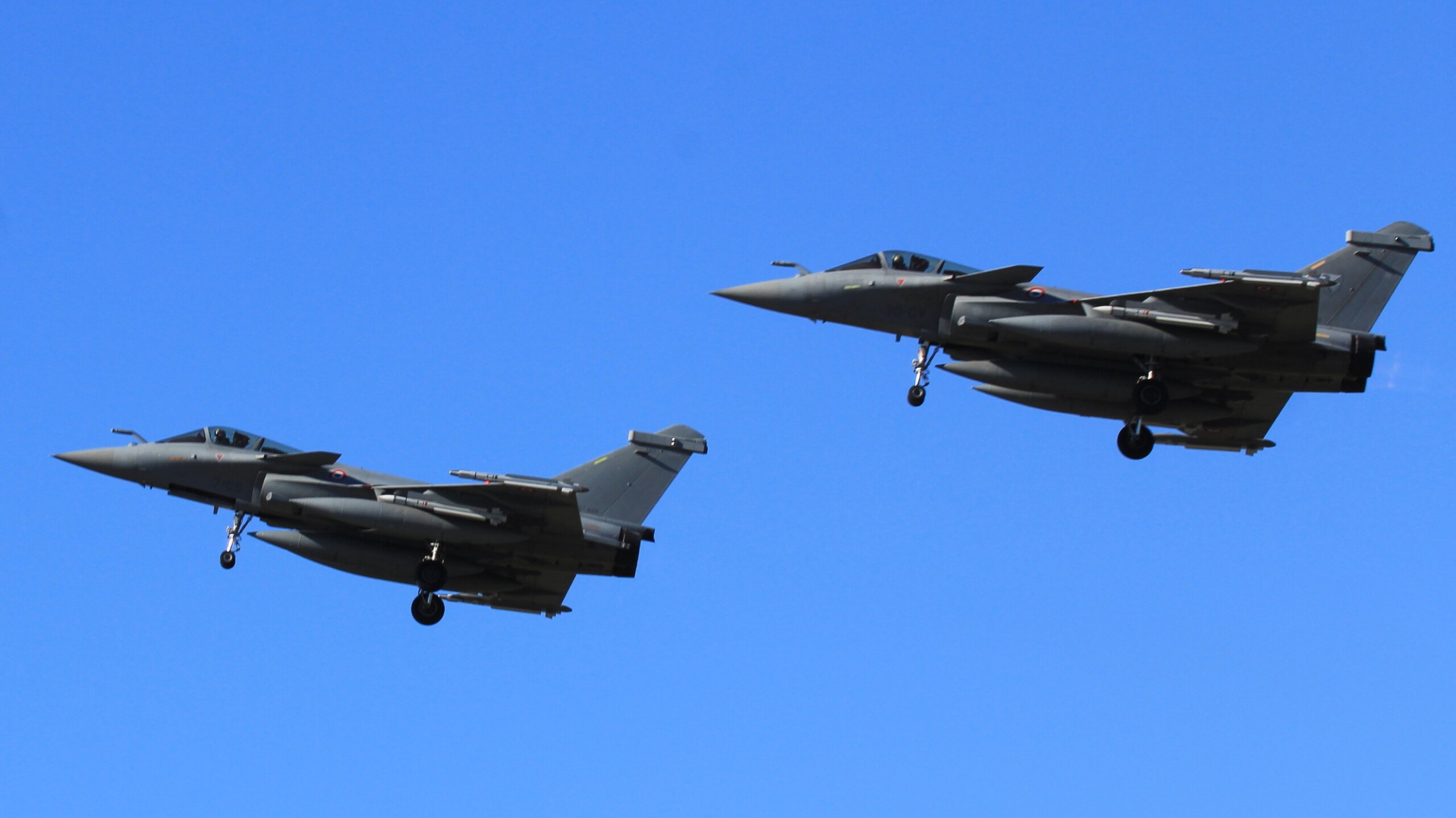
French Rafales Complete First Highway Operations in Finland
By Khalid · 9 hours ago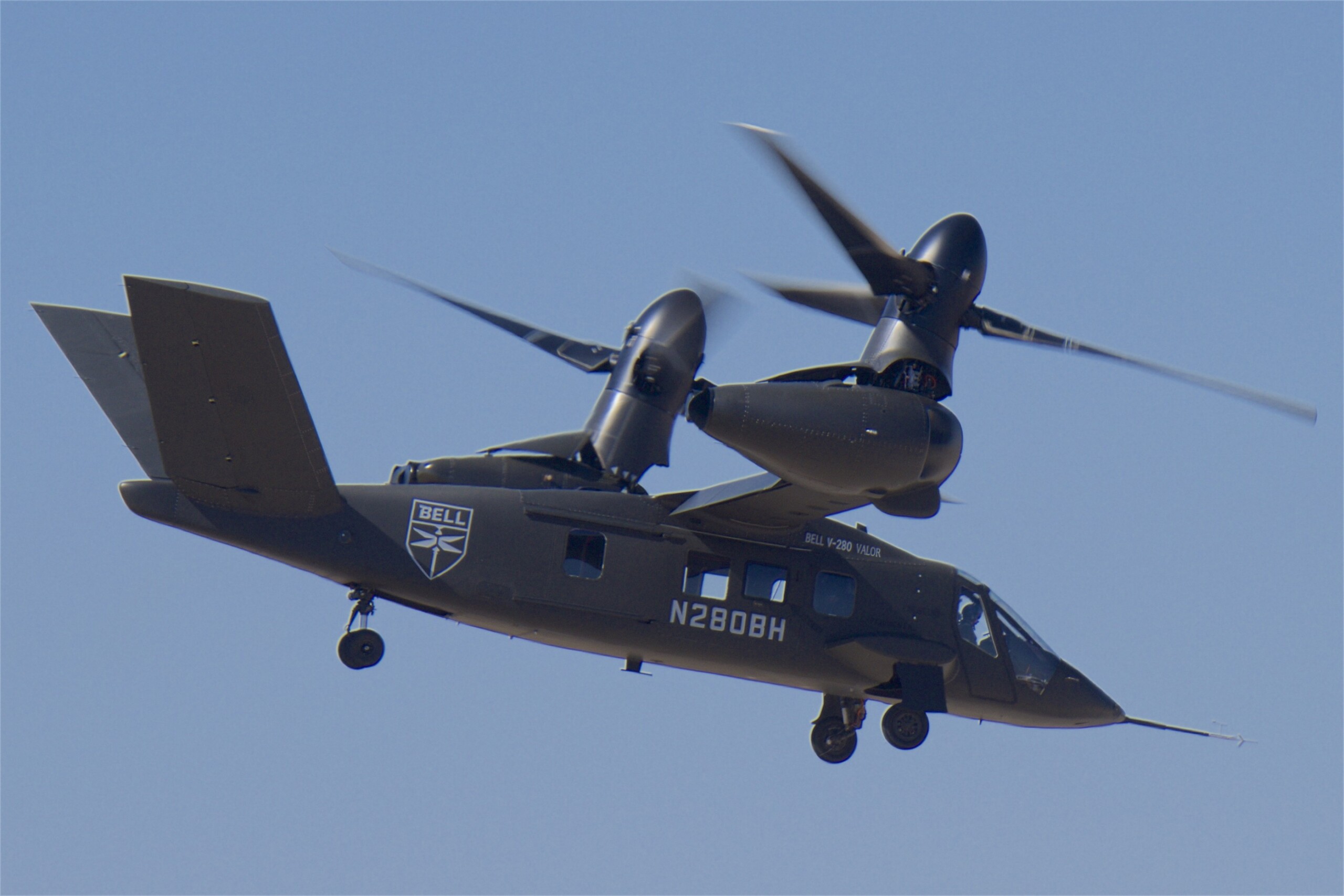
US Army Delays First MV-75 Cheyenne II Testing Delivery Past 2026
By Khalid · 10 hours ago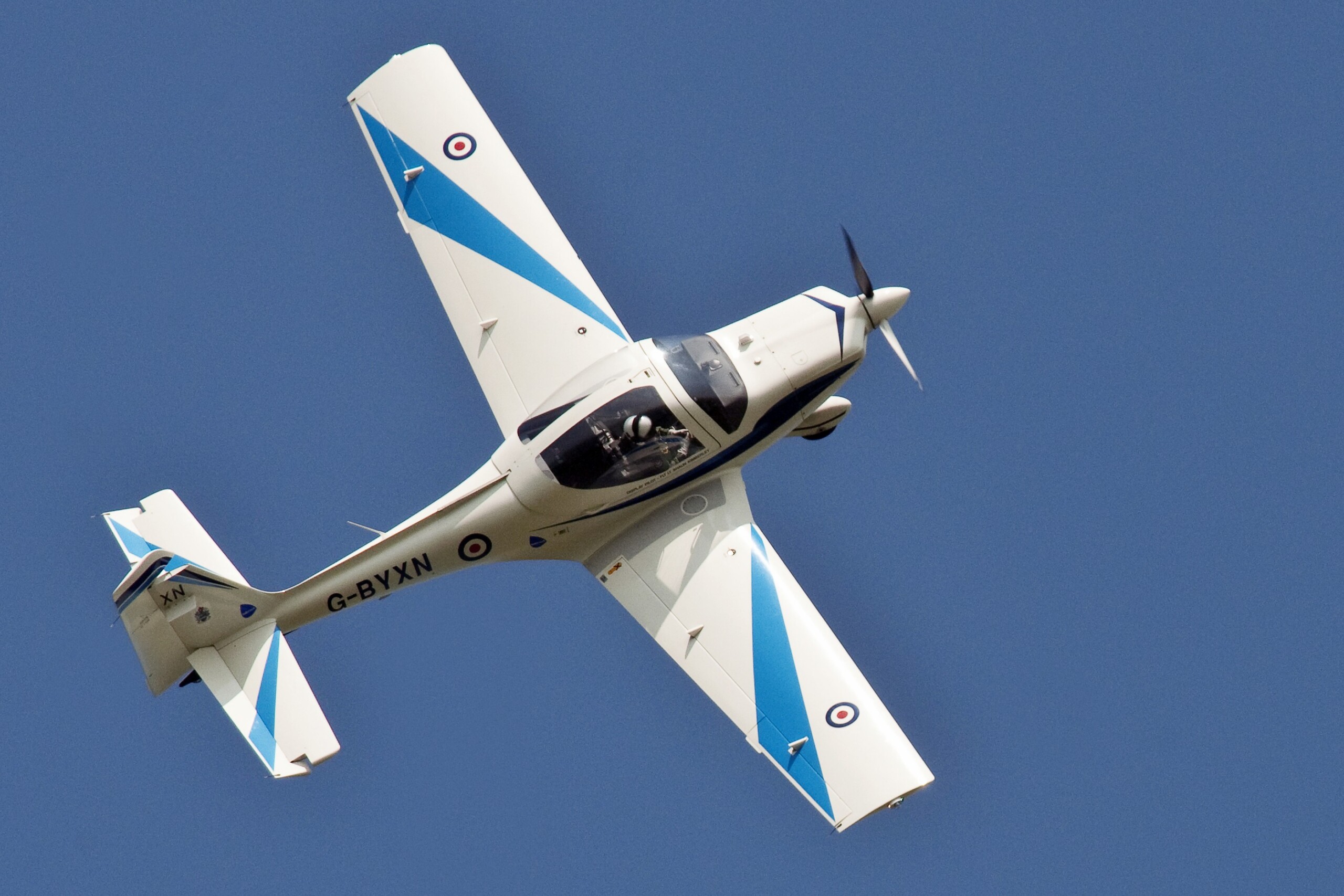
UK MOD Selects Babcock for £340 Million Project Telum Training Deal
By Khalid · 14 hours ago