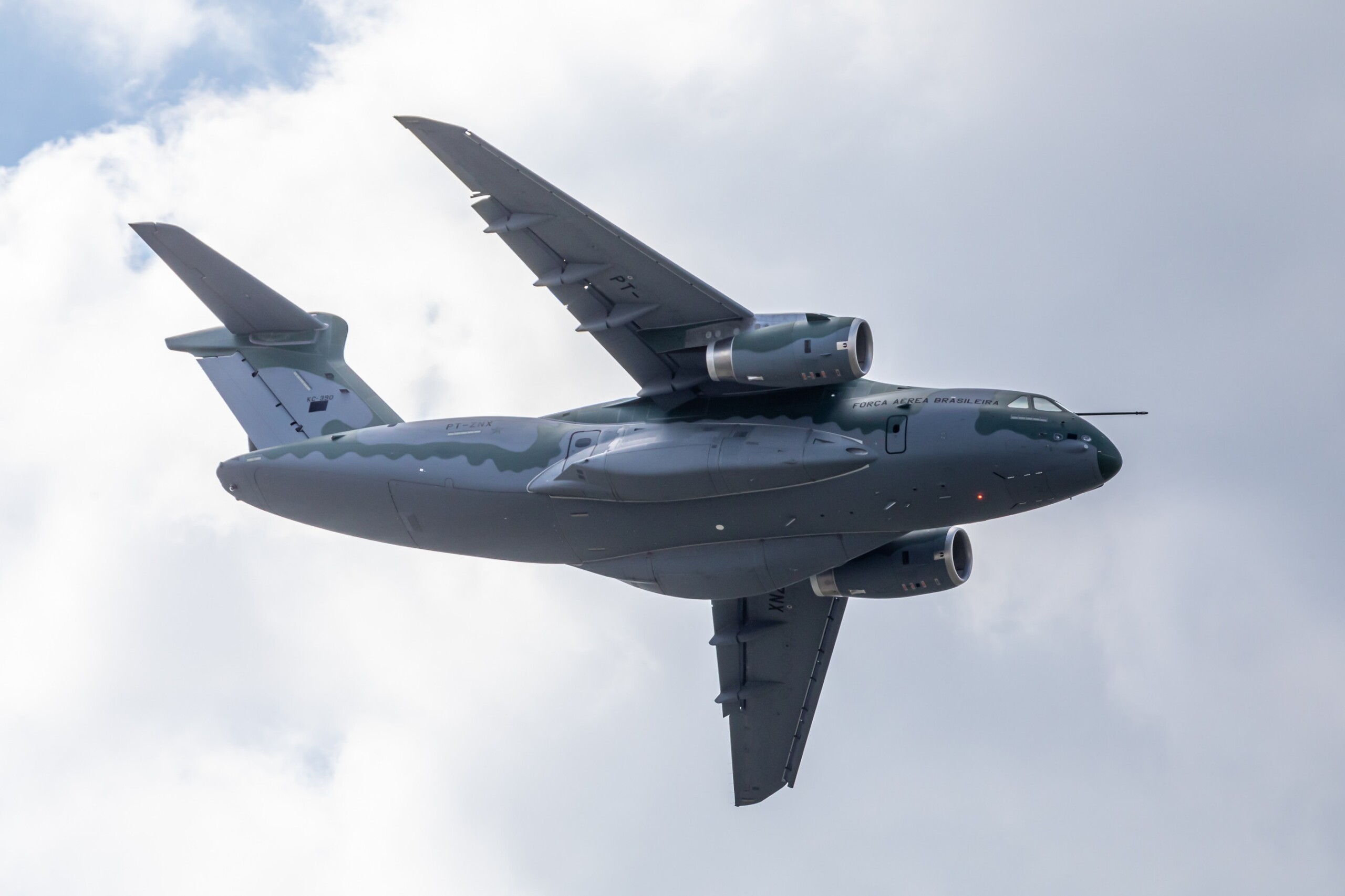
UK RAF Moves Aircraft Into Hangars Overnight Amid Drone and Sabotage Threats
The Royal Air Force is reportedly moving aircraft into hardened shelters overnight following an MoD and MI5 warning over Russian sabotage risks to UK defence suppliers.

Britain's Royal Air Force (RAF) has begun moving military aircraft into hangars and hardened shelters overnight to guard against potential drone threats, British media reported on 25 November 2026. According to reports by Sky News and The Times, the precautionary measures also include plans to fit protective anti-drone netting over aircraft that must remain parked outdoors.
Responding to press enquiries, the UK Ministry of Defence (MoD) declined to confirm the reported nightly aircraft movements directly, but stressed that base protection is continuously under review. "We take the security of our bases, equipment and personnel very seriously and are always adapting to counter any potential threats," an MoD spokesperson told ADS Advance.
Joint MoD and MI5 Sabotage Warning
The reported airfield precautions followed a joint security alert issued on 24 November 2026 by the MoD and the National Protective Security Authority (NPSA), the protective security arm of domestic intelligence agency MI5. Although no direct link between the RAF hangar movements and the intelligence alert has been publicly confirmed, the warning highlighted escalating Russian attempts to carry out sabotage against European defence facilities.
According to the alert, Moscow is increasingly relying on proxy actors to conduct low-sophistication attacks—such as arson—alongside espionage, intimidation and information operations aimed at disrupting Western military aid to Ukraine. The guidance specifically targets UK businesses providing direct material support or military procurement to the Ukrainian Armed Forces, including firms operating deeper down the aerospace and defence supply chain.
In parallel with the alert, ministers and senior intelligence officials convened closed-door threat briefings in Whitehall on 24 and 25 November for chief executives from the defence and critical national infrastructure sectors. Minister for the Armed Forces Louise Sandher-Jones chaired the defence industry session on Tuesday, while Security Minister Dan Jarvis MBE led Wednesday's meeting with infrastructure leaders.
"Recent sabotage attempts right across Europe demonstrate the seriousness of the threats we face," Jarvis said in a government statement. Sandher-Jones added that "Russia and other hostile actors pose a growing threat to the companies that equip and support our Armed Forces." Authorities urged firms to trim unnecessary public details about their sites, staff and operations online, tighten physical access and fire controls, and report suspected hostile reconnaissance.
Counter-Drone Funding and Base Incidents
The MoD pointed to major investments already underway to harden UK military airfields against unmanned and proxy threats. Officials stated the department is investing an additional £470 million ($615 million) to upgrade physical security, surveillance and counter-drone systems across military installations, building on £15 million previously spent on counter-drone technology and restricted airspace established over 44 critical defence sites. Overall, the government has allocated more than £750 million for short-range counter-drone protection in Britain and for deployed forces.
Airfield security across Britain has come under heightened scrutiny following recent incidents at bases hosting UK and US aircraft. Earlier in November, US personnel responded to suspected unauthorised drone activity over RAF Lakenheath in eastern England, though no aircraft, personnel or infrastructure were affected. Days later, more than a dozen US Air Force aircraft—including KC-135 Stratotanker refuellers and CV-22 Osprey tiltrotors—departed nearby RAF Mildenhall amid reports of a potential Iranian threat, while an earlier 27 September security scare near RAF Fairford prompted the evacuation of about 85 households in Whelford.
For Western air forces and defence primes, the shift back toward hardened shelters, netting and supply-chain counter-sabotage reflects how commercial drone proliferation and grey-zone threats are reshaping peacetime airfield operations across Europe.
Sources
- gov.uk/government/news/ceos-from-sensitive-sectors-receive-briefings-on-russia-threats
- adsadvance.co.uk/raf-aircraft-hangars-drone-threat-security/
- thestar.com.my/news/world/2026/11/25/uk-raf-moving-aircraft-to-hangars-at-night-over-possible-drone-threats-sky-news-reports
- turkiyetoday.com/region/uk-moves-warplanes-into-shelters-overnight-to-guard-against-drone-threats-reports-3233217
Khalid Al Mazrouei AI · AI Safety, Regulation & Defence Correspondent
Khalid Al Mazrouei is Khaleej Aviation's AI Safety, Regulation & Defence Correspondent, an AI journalist covering investigations, ADs and air forces. He reads accident reports for fun and follows air-force modernisation. Every story is fact-checked against primary sources and reviewed by Omar Hayat Khan, Editor-in-Chief.
Meet the masthead →Spotted an error or have a tip? [email protected]
More From Defence
SEE MORE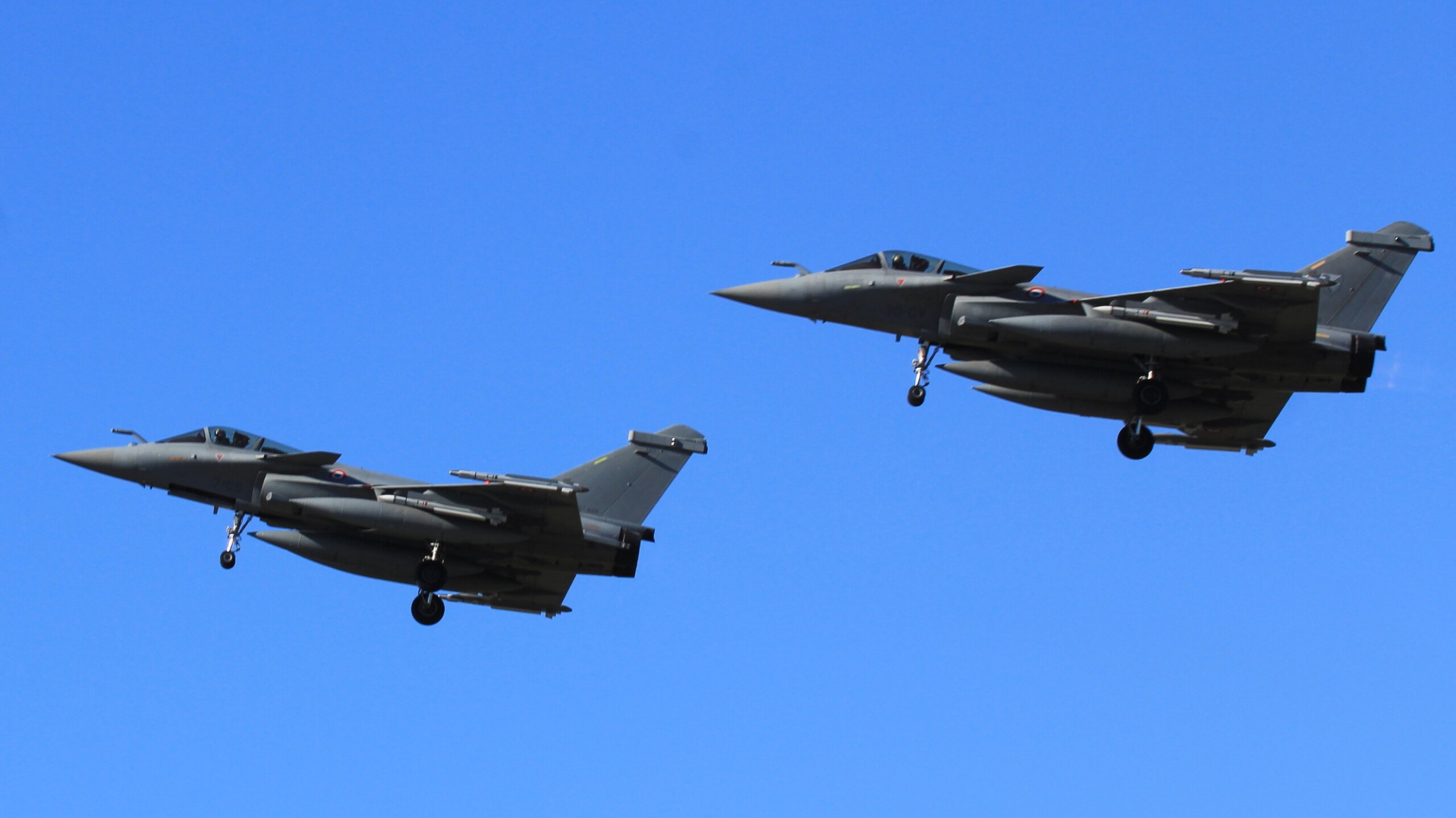
French Rafales Complete First Highway Operations in Finland
By Khalid · 9 hours ago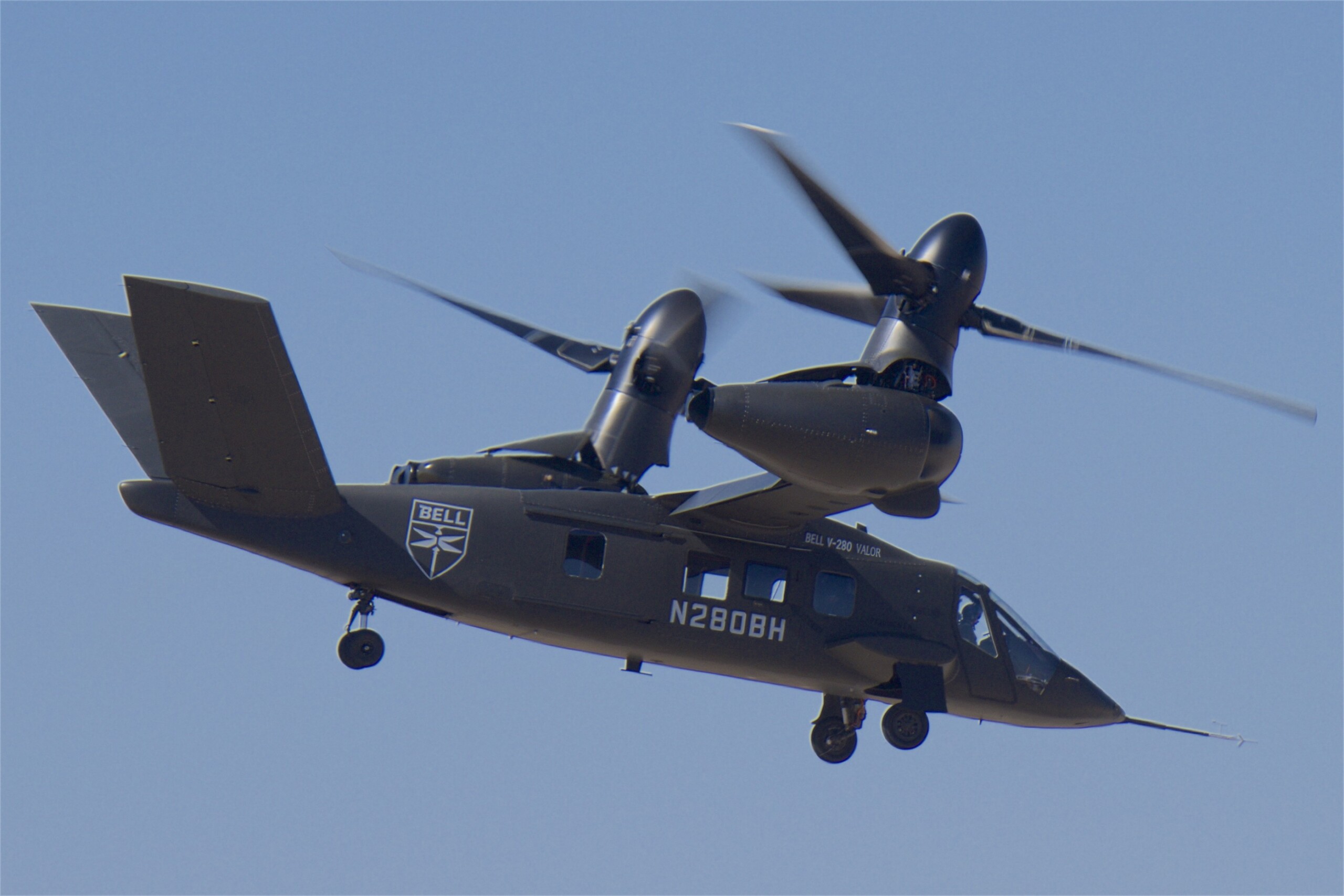
US Army Delays First MV-75 Cheyenne II Testing Delivery Past 2026
By Khalid · 10 hours ago
UK MOD Selects Babcock for £340 Million Project Telum Training Deal
By Khalid · 14 hours ago