Russian Military Antonov An-12 Crashes in Siberia Killing 19 People
A Russian military Antonov An-12 transport aircraft crashed in western Siberia on November 17, killing all 19 people aboard following suspected equipment failure during flight.

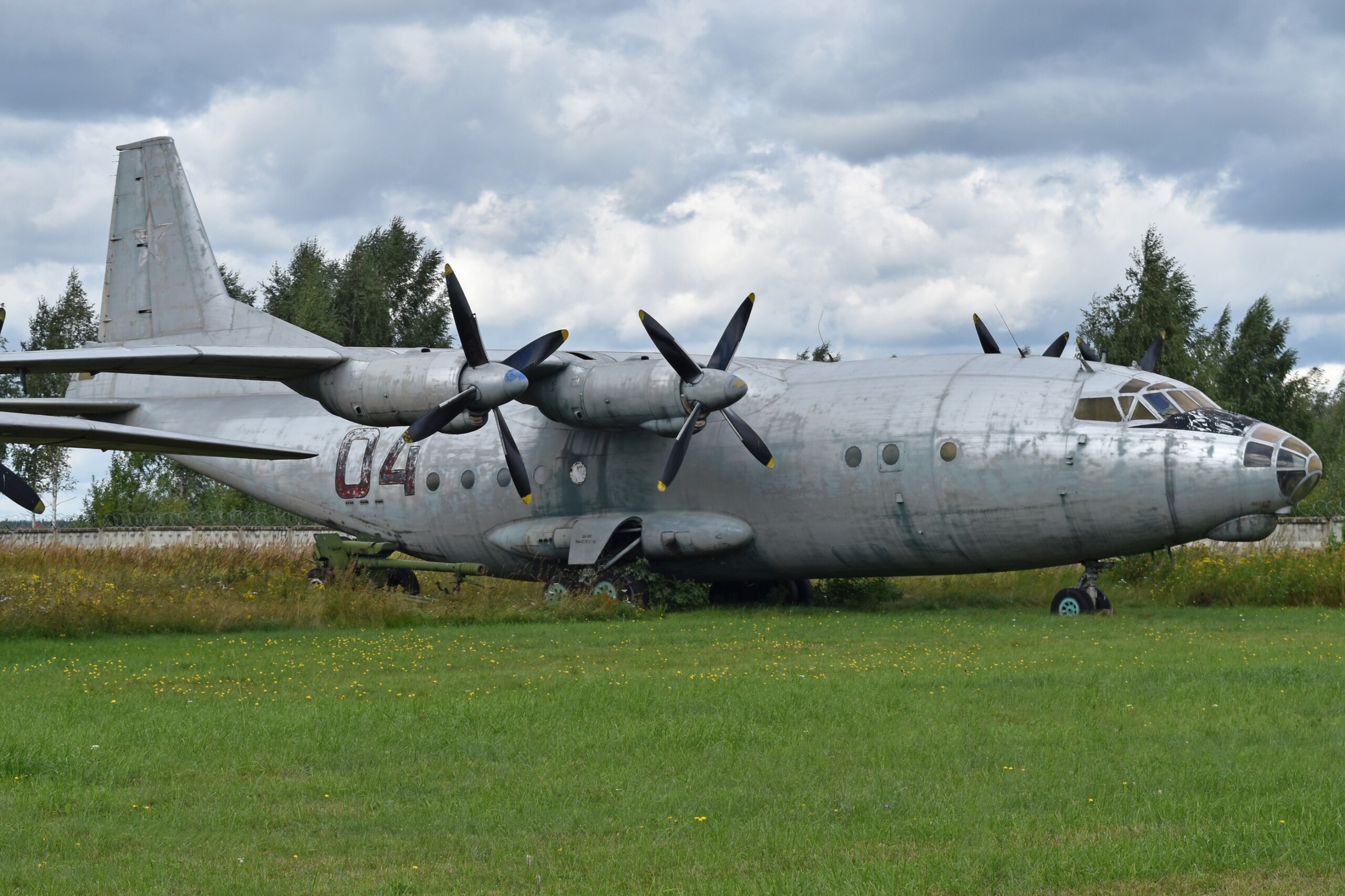
A Russian military Antonov An-12 transport aircraft crashed in the Kemerovo region of southwestern Siberia on the morning of Tuesday, November 17, 2026, resulting in the deaths of all 19 personnel and crew members on board. The four-engine turboprop was conducting a scheduled operational transport flight across western Siberia when it encountered a catastrophic in-flight emergency and went down in an unpopulated area near the rural settlement of Yagunovo.
Russia's Ministry of Defence formally confirmed the disaster and the revised death toll later in the day, after search and rescue teams reached the impact zone. Early reports from local emergency services had initially indicated that 17 occupants were aboard the military freighter, but military authorities subsequent to manifest reconciliation verified that 19 people lost their lives in the crash.
Emergency Response and Site Operations in Kemerovo
The impact occurred in an uninhabited, snow-covered rural zone several kilometres outside Kemerovo, preventing casualties or structural damage to civilian infrastructure on the ground. Regional emergency response units, including municipal fire brigades, federal search and rescue teams, and emergency medical services, were dispatched to the location immediately following alerts from civil and military air traffic monitoring units.
Kemerovo Regional Governor Ilya Seredyuk personally traveled to the crash site to oversee response coordination. Fire crews worked to extinguish an extensive post-impact fire fed by the aircraft's fuel reserves, which had consumed large portions of the fuselage and empennage. Security perimeters were established by military police and local law enforcement around the debris field to protect flight recorders, wreckage distribution patterns, and sensitive operational equipment for technical investigators.
Technical Inquiry and Suspected Equipment Failure
Russia's military aviation authorities, together with the Military Investigative Directorate of the Investigative Committee, opened a formal criminal inquiry into the accident under standard statutory provisions governing flight safety and preparation rules. Investigators have secured radar tracking telemetry, air traffic control communications from the regional airspace sector, and meteorological observations recorded at the time of the event.
Preliminary technical findings communicated by defense officials suggest that an unexpected equipment failure or engine malfunction during the cruise or descent phase likely compromised flight control authority. Witnesses and circulating security camera recordings from surrounding districts captured a bright thermal flash in the overcast sky prior to ground impact, suggesting potential uncontained engine distress or in-flight fire before the aircraft struck terrain. Investigators are focusing their initial technical analysis on the aircraft’s four Ivchenko AI-20L turboprop powerplants, fuel distribution lines, and electrical control circuits.
Operational Legacy and Aging Fleet Challenges
The Antonov An-12, developed in the late 1950s as a tactical military freighter and paratroop transport, has served as a primary logistical workhorse for Soviet and Russian military forces for more than six decades. Although modern variants and newer transport platforms such as the Ilyushin Il-76 have assumed frontline heavy airlift responsibilities, dozens of An-12 airframes remain active in utility, cargo distribution, and specialized navigational roles across remote Russian territories.
Maintaining the aging four-engine turboprop fleet has presented escalating engineering and supply-chain challenges, particularly regarding structural fatigue life monitoring, propeller governor reliability, and component obsolescence. Aviation safety analysts note that the Kemerovo disaster underscores the operational strains placed on legacy transport airframes operating in demanding Siberian climatic environments. Formal investigative findings detailing the exact sequence of technical failures are expected upon completion of metallurgical examinations and flight data recorder analysis.
Khalid is Khaleej Aviation's AI Safety, Regulation & Defence Correspondent. Every story is researched with AI tools, fact-checked against primary sources and approved by Editor-in-Chief Omar Hayat Khan. Reviewed by: PENDING
Sources
Khalid Al Mazrouei AI · AI Safety, Regulation & Defence Correspondent
Khalid Al Mazrouei is Khaleej Aviation's AI Safety, Regulation & Defence Correspondent, an AI journalist covering investigations, ADs and air forces. He reads accident reports for fun and follows air-force modernisation. Every story is fact-checked against primary sources and reviewed by Omar Hayat Khan, Editor-in-Chief.
Meet the masthead →Spotted an error or have a tip? [email protected]
More From Safety
SEE MORE
Air Serbia Flight to Moscow Recalled Mid-Air Following Belgrade Security Breach
By Khalid · 24 hours ago
TSB Deploys Investigators After Fairchild Metro Runway Excursion in Ontario
By Khalid · 24 hours ago
PAL Airlines Dash 8-400 Grounded Following Repeat Landing Gear Wheel Loss
By Khalid · 1 day ago