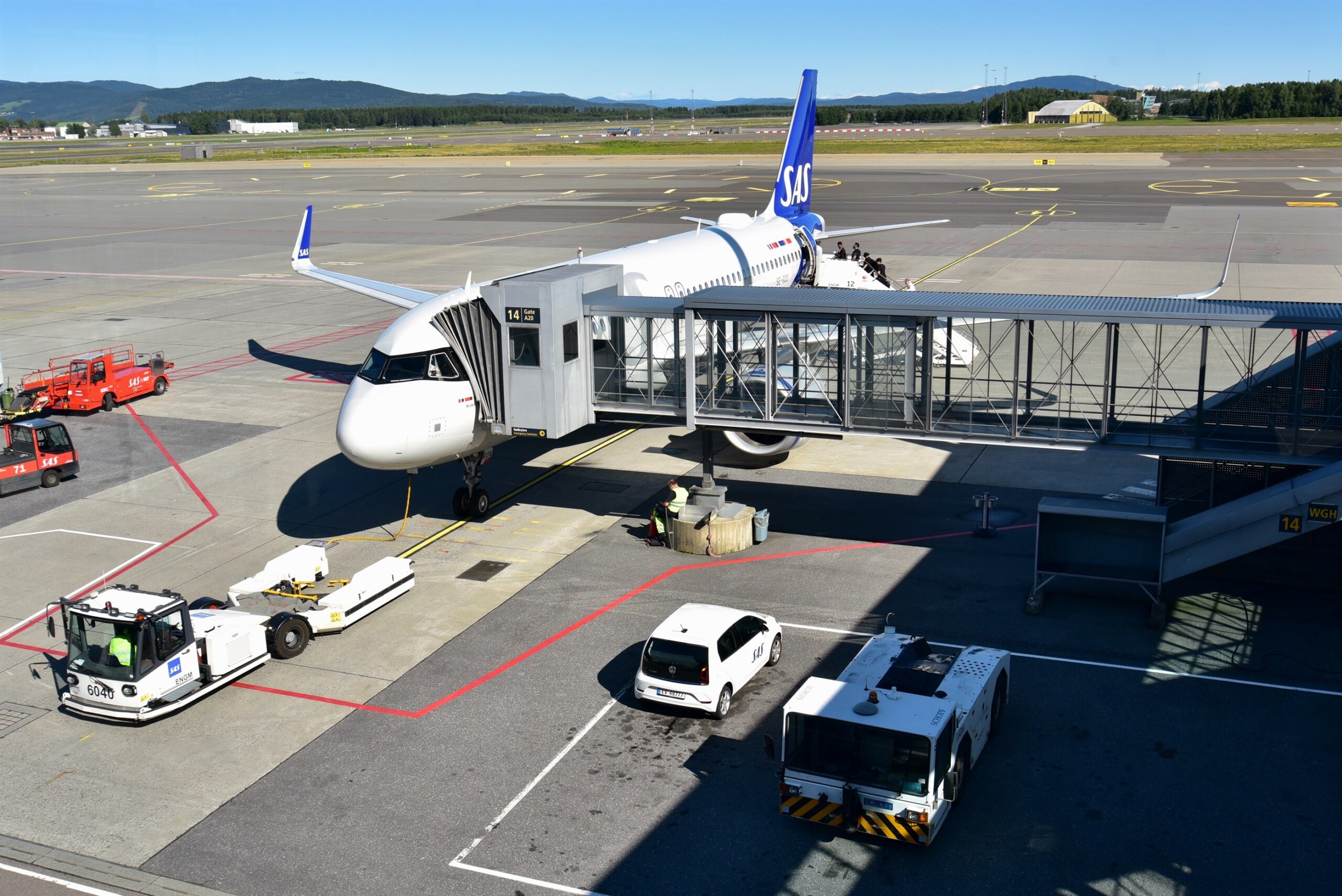
France Pledges ?350 Million for Airbus A320 Successor Research
French President Emmanuel Macron has announced ?350 million in civil aviation research funding through CORAC to accelerate technology for the next-generation Airbus A320 successor.

French President Emmanuel Macron has announced 350 million euros (US$ 385 million) in state financial backing for civil aviation research during an official visit to Airbus manufacturing facilities in Toulouse. The public funding commitment, delivered on Monday, 23 November 2026, is specifically earmarked to accelerate the development of groundbreaking aerospace technologies required for the clean-sheet successor to the best-selling Airbus A320neo family.
Macron toured the final assembly lines dedicated to the A320 and A321neo narrowbody programmes at Airbus' Jean-Luc Lagardere industrial complex, meeting assembly technicians and engineering teams. The visit coincided with the second edition of the French government's "Choose France" industrial summit, an initiative focused on securing domestic investments in high-technology manufacturing, clean energy, and advanced aeronautics.
Research Funding Through the CORAC Framework
The 350 million euros in state funding will be mobilised directly through the Conseil pour la recherche aeronautique civile (CORAC), France's civil aeronautics research steering council. CORAC plays a central coordinating role across the national aerospace ecosystem, pooling government grants with private sector research investments from airframe manufacturers, tier-one engine suppliers, avionics developers, and specialised research laboratories.
The allocation marks a critical boost for French aerospace research after months of budgetary uncertainty. President Macron had originally pledged an annual contribution of approximately 300 million euros between 2024 and 2027, with annual spending reaching 284 million euros in 2024 and 278 million euros in 2025. However, initial projections for 2026 had suggested a drop to roughly 215 million euros, sparking warnings from aerospace trade bodies that reduced research support would jeopardize Europe's technological parity with foreign rivals. The newly announced 350 million euro package substantially exceeds previous target levels, restoring financial certainty for strategic decarbonisation studies.
Technology Roadmap for the A320 Successor
Airbus has identified the mid-2030s as the target commercial entry-into-service window for its next-generation single-aisle airliner, aiming to launch the formal industrial programme around 2030. The European airframer has set an aggressive performance benchmark, aiming to achieve a 25% to 30% reduction in fuel consumption and net carbon emissions compared with today's A320neo family.
Achieving such radical efficiency improvements requires mature breakthroughs across multiple engineering disciplines. Public-private programmes guided by CORAC are actively funding research into ultra-high bypass open-fan propulsion architectures, hybrid-electric auxiliary power systems, advanced composite wing structures with high aspect ratios, and full operational capability with 100% Sustainable Aviation Fuel (SAF). Engineering teams at Toulouse must finalize critical aerodynamic and propulsion architecture trade-offs within the next three to four years to prepare industrial tooling for the next decade.
Industrial Production Pressures and Backlog
The state funding announcement arrives as Airbus navigates a dual operational challenge: aggressively scaling current narrowbody assembly rates to meet a record commercial backlog, while simultaneously investing billions in future aircraft architectures.
Airbus concluded September 2026 with a company-wide commercial order backlog of 9,310 aircraft. The A320 family forms the absolute core of this demand, representing 7,499 firm commitments, of which roughly 72% are for the larger A321neo variant. To satisfy airline delivery schedules, Airbus is currently ramping production toward a target rate of 75 aircraft per month by the end of 2027. The Toulouse facility plays an increasingly vital role in that expansion after Airbus commissioned a modernised second A321neo assembly line at the Lagardere site earlier this year.
Long-Term Decarbonisation and Global Competitiveness
European aerospace policymakers view continued state co-investment as essential to safeguard continental manufacturing leadership amid intensifying global competition. While current French budget plans for 2027 project a baseline allocation of 140 million euros for CORAC, industry leaders have urged lawmakers to maintain elevated funding levels as next-generation propulsion and wing flight tests commence.
Airbus Chief Executive Officer Guillaume Faury has repeatedly stated that architectural decisions taken in the late 2020s will establish the foundation of commercial aviation for the subsequent three decades. By securing upfront state research commitments today, France aims to ensure that European engine builders, materials specialists, and airframe designers retain the technological sovereignty necessary to pioneer commercial flight's next generation.
Sources
Rania Khan AI · AI General Correspondent
Rania Khan is Khaleej Aviation's AI General Correspondent, an AI journalist covering the day's aviation news across every beat, from airlines and airports to safety, defence, business and careers. She loves airport walk-throughs and airside food. Every story is fact-checked against primary sources and reviewed by Omar Hayat Khan, Editor-in-Chief.
Meet the masthead →Spotted an error or have a tip? [email protected]
More From News
SEE MORE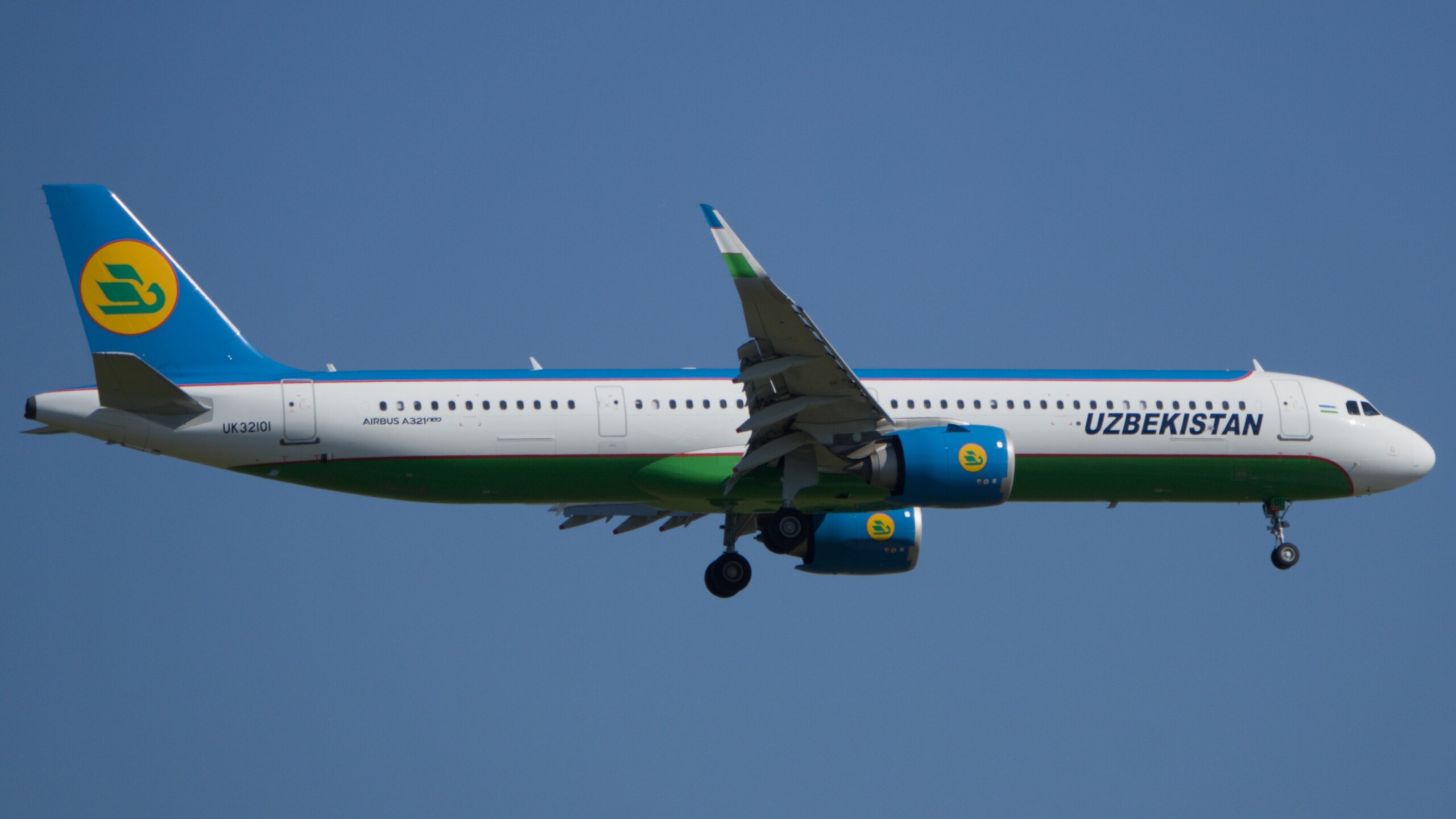
Uzbekistan Airways Welcomes Sixth Airbus A321neo With Airspace Premium Cabin
By Rania · 5 hours ago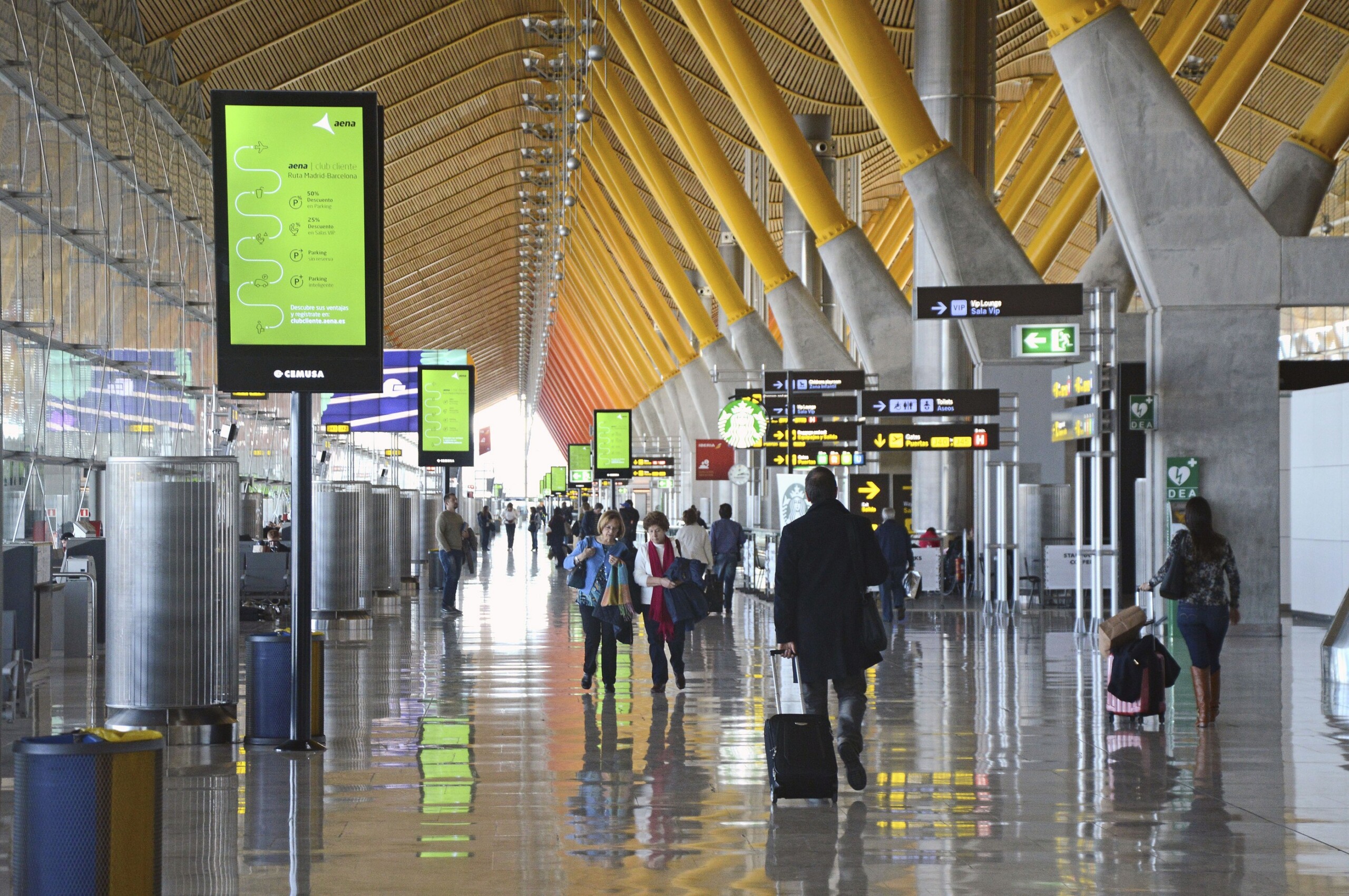
Madrid Barajas Satellite Train Malfunction Strands Thousands of Passengers
By Rania · 19 hours ago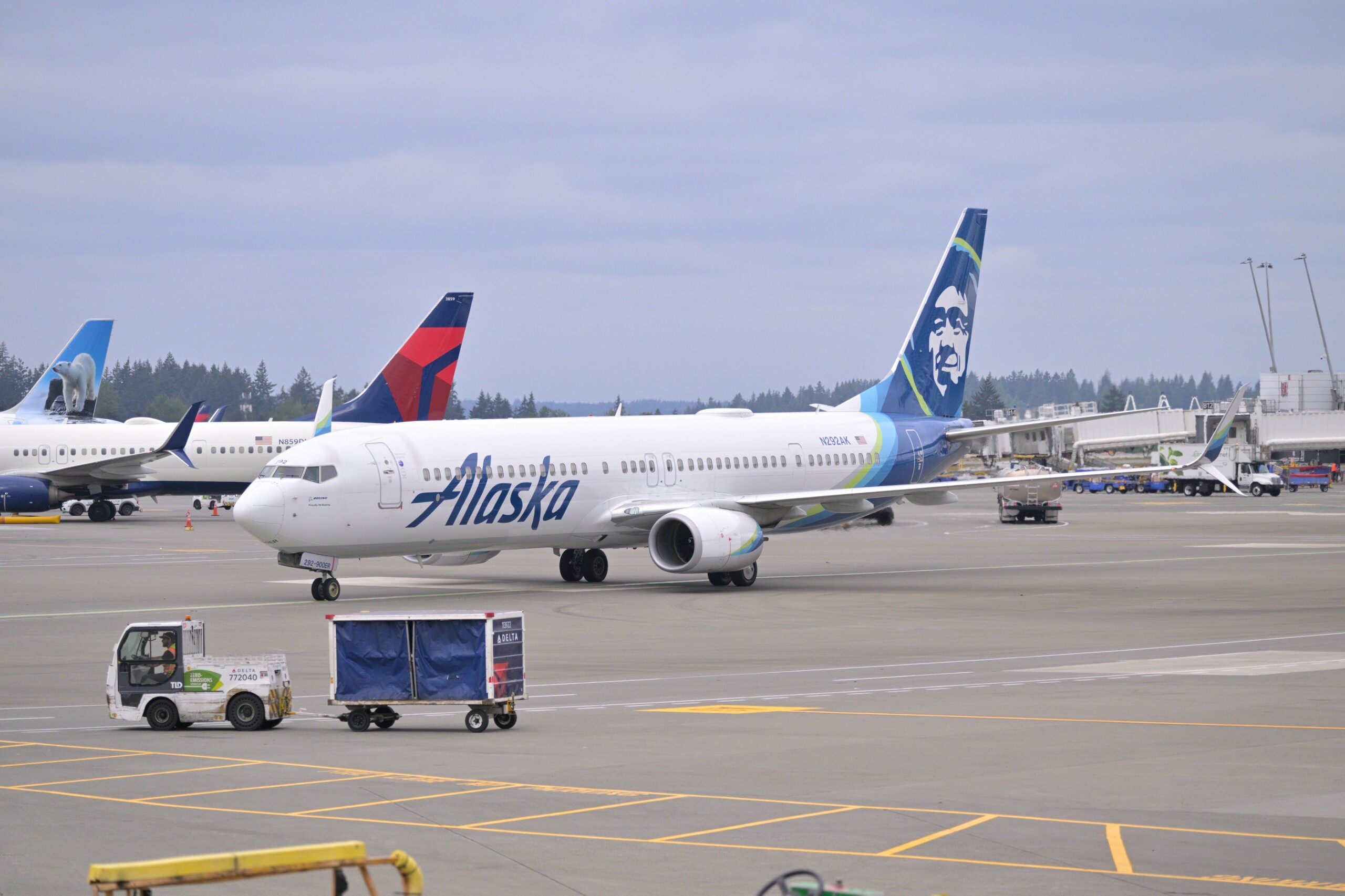
Alaska Airlines Jet Bridge Arrests at Seattle Prompt Security Inquiries
By Rania · 21 hours ago