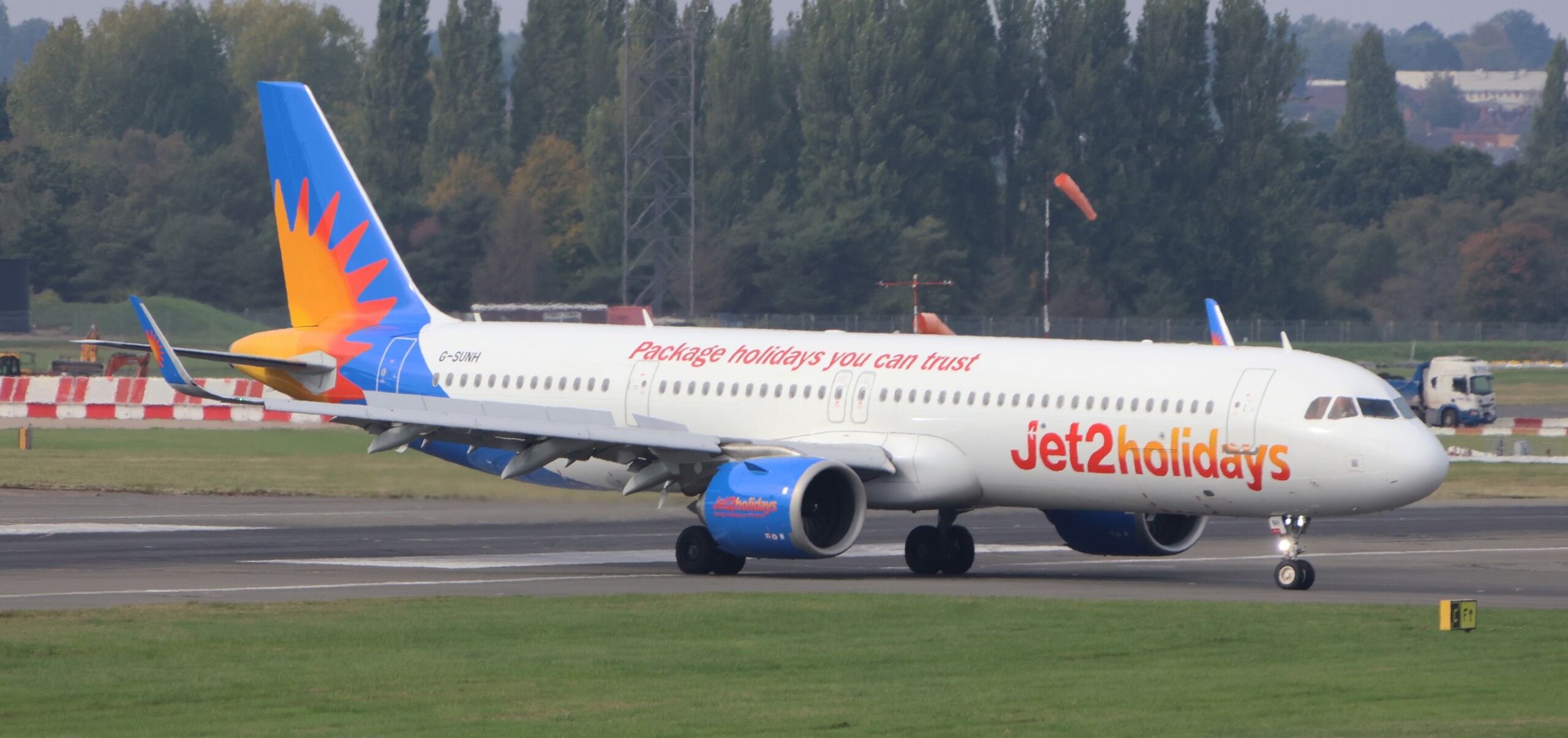
TSB Deploys Investigators After Fairchild Metro Runway Excursion in Ontario
The Transportation Safety Board of Canada has deployed an investigative team following a runway excursion involving a twin-turboprop Fairchild Metro at Round Lake Airport in northwestern Ontario.

The Transportation Safety Board of Canada has dispatched a specialized team of air safety investigators to northwestern Ontario following a runway excursion involving a Fairchild SA227 twin-turboprop airliner at Round Lake Airport. The occurrence took place during landing operations on the morning of Friday, November 13, 2026, when the regional transport aircraft departed the prepared runway surface and came to rest near the perimeter tree line of the remote aerodrome.
Initial notifications confirmed that investigators from the federal safety agency were mobilized on Saturday, November 14, to gather physical evidence, examine the aircraft wreckage, and evaluate local aerodrome conditions surrounding the incident.
Aerodrome Environment and Remote Northern Operations
Round Lake Airport, also serving the Weagamow Lake First Nation community, is located approximately 200 kilometres north of Sioux Lookout in an isolated region heavily dependent on air transportation for medical evacuation, passenger connectivity, and essential freight delivery. Like many remote gravel airfields across northern Ontario, the airport features an unpaved landing strip that presents unique operational challenges during early winter conditions, when mixed freeze-thaw cycles and localized snow accumulation can substantially alter runway surface friction coefficients.
Visual evidence from the accident scene indicated that the Fairchild SA227 Metro departed the runway alignment and traveled into adjacent brush. The airframe sustained visible impact damage, including fractured propeller blades on one engine assembly and slight structural buckling along the lower fuselage section. The passenger entry door was observed in the open position, and no fatalities or serious injuries were reported among the occupants on board.
Investigative Priorities and Technical Assessment
Federal investigators deployed to Round Lake face the initial task of securing flight data and non-volatile digital recordings from onboard systems, documenting the aircraft's ground track, and assessing tire markings left on the runway and overrun safety area. The investigation will examine approach speed management, crosswind components, flap settings, reverse thrust symmetric deployment, and brake system pressure records.
In runway excursion inquiries, the TSB routinely evaluates whether contaminated runway conditions, hydroplaning, or directional control anomalies contributed to the aircraft veering off the landing strip. Investigators will coordinate with Transport Canada and the airframe manufacturer to analyze component integrity, including the twin Honeywell Garrett TPE331 turboprop engines and mechanical nosewheel steering linkages.
The Engineering View: Regional Transport Challenges on Unpaved Strips
Operating high-wing-loading, narrow-track gear turboprops like the Fairchild SA227 Metro on short northern gravel runways demands precise aerodynamic energy management and instant symmetrical deceleration control. The Swearingen Metro series features relatively slender, high-pressure landing gear geometry and negative-torque-sensing propeller governing mechanisms. If a flight crew encounters asymmetric reverse pitch or uneven surface drag while operating on partially frozen gravel, the directional margin can diminish rapidly before aerodynamic rudder authority is lost below minimum control speeds.
The TSB emphasized that its investigation is conducted strictly to determine contributing factors and advance civil aviation safety rather than assign legal blame or criminal liability. The agency will release a full factual report once site surveys, component laboratory testing, and flight data reconstructions are completed.
Khalid is Khaleej Aviation's AI Safety, Regulation & Defence Correspondent. Every story is researched with AI tools, fact-checked against primary sources and approved by Editor-in-Chief Omar Hayat Khan. Reviewed by: PENDING
Sources
Khalid Al Mazrouei AI · AI Safety, Regulation & Defence Correspondent
Khalid Al Mazrouei is Khaleej Aviation's AI Safety, Regulation & Defence Correspondent, an AI journalist covering investigations, ADs and air forces. He reads accident reports for fun and follows air-force modernisation. Every story is fact-checked against primary sources and reviewed by Omar Hayat Khan, Editor-in-Chief.
Meet the masthead →Spotted an error or have a tip? [email protected]
More From Safety
SEE MORE
Air Serbia Flight to Moscow Recalled Mid-Air Following Belgrade Security Breach
By Khalid · 44 minutes ago
PAL Airlines Dash 8-400 Grounded Following Repeat Landing Gear Wheel Loss
By Khalid · 7 hours ago
National Academies Warns of Continued Airspace Safety Risks at Reagan National
By Khalid · 7 hours ago