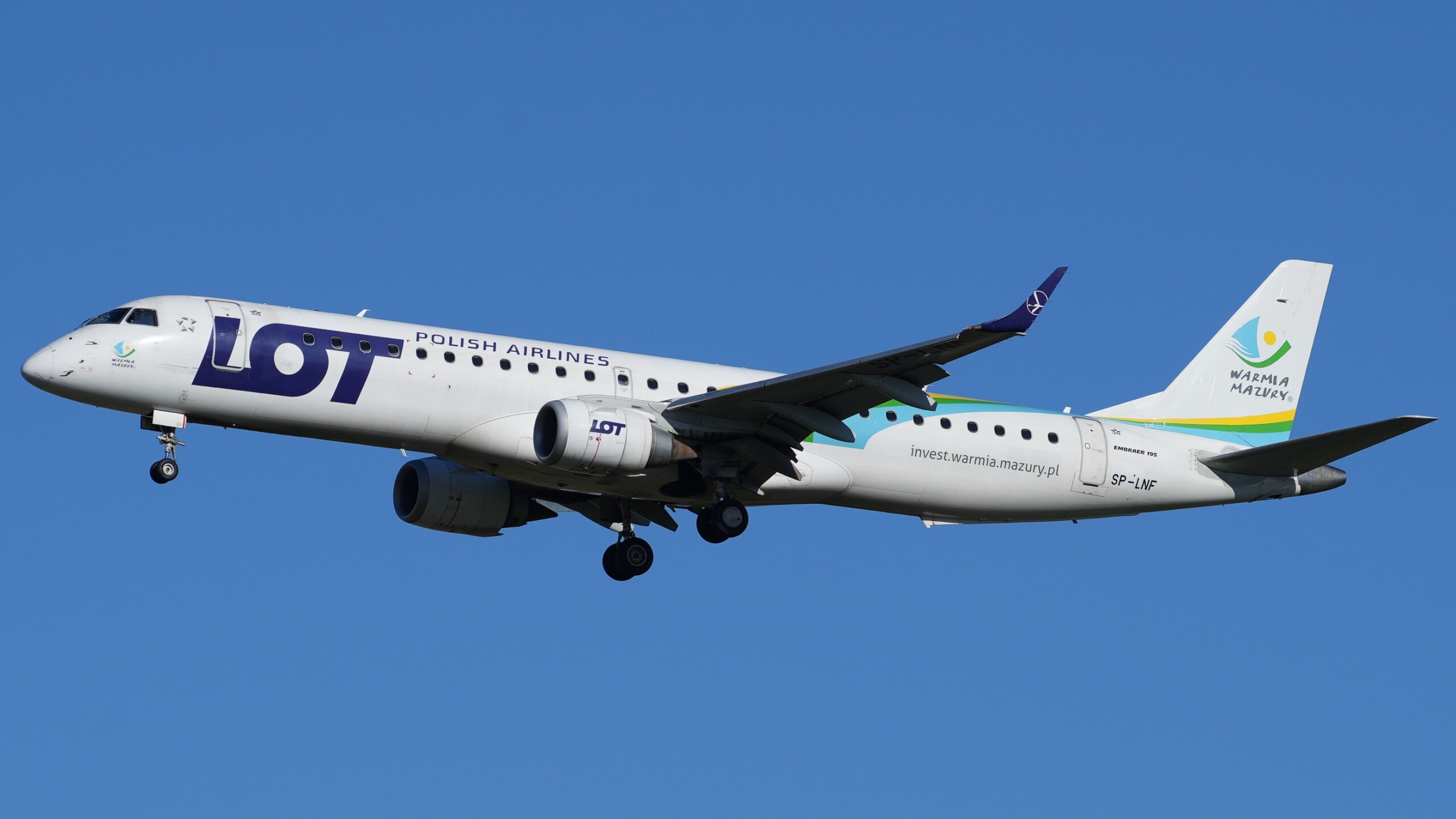
EASA Tightens Component Safe-Life Limits for Airbus A350 Fleet
The European Union Aviation Safety Agency has mandated more restrictive component safe-life limits across Airbus A350-900 and A350-1000 fleets under a new airworthiness directive.

European aviation safety authorities have issued a binding regulatory mandate establishing updated component replacement thresholds and life limits across the global Airbus A350 fleet. Under Airworthiness Directive 2026-0221, issued on November 19, 2026, the European Union Aviation Safety Agency requires airlines operating Airbus A350-941 and A350-1041 widebody airliners to incorporate revised safe-life limits into their approved maintenance schedules, enforcing stricter retirement timelines for fatigue-critical assemblies.
The regulatory action forms part of continuous structural airworthiness oversight designed to safeguard the widebody twinjet against long-term operational fatigue as the international fleet logs increasing flight cycles.
Regulatory Mandate and Superseded Directives
The new directive takes effect on December 3, 2026, formally superseding EASA AD 2024-0189, which had established safe-life limitations for the twin-aisle type since October 2024. In European type-certification frameworks, aircraft manufacturers must periodically re-evaluate operational fatigue data, dynamic load histories, and fatigue-test benchmarks to adjust maintenance limits throughout an airframe's operational lifespan.
Under AD 2026-0221, EASA mandates that commercial carriers incorporate the instructions and replacement limits defined in Airbus A350 Airworthiness Limitations Section Part 1 Revision 10, dated July 17, 2026, directly into their Aircraft Maintenance Programmes. Operators must update their maintenance documentation within 12 months of the directive's effective date, while complying strictly with individual component retirement limits as each threshold is reached.
The Engineering View: Safe-Life Versus Damage Tolerance in Modern Widebodies
In commercial transport airframe design, safe-life limitation items represent mechanical components and structural assemblies whose failure mode cannot be reliably controlled through routine non-destructive testing before critical flaw propagation occurs. Unlike damage-tolerant composite panels or fuselage skins—which rely on repetitive ultrasonic or visual inspections to detect fatigue cracks before they threaten airframe integrity—safe-life components must be retired from service strictly upon accumulating a specified number of flight cycles, flight hours, or calendar limits.
On advanced widebodies like the Airbus A350, safe-life parts encompass heavy-load metallic forged fittings, landing gear main cylinders, trunnion pins, emergency electrical systems, and high-stress pivot assemblies. As widebodies accumulate severe cyclic loads during takeoff, touchdown, and cabin pressurisation cycles, conservative safe-life thresholds prevent structural degradation by removing safety-critical parts before microscopic fatigue cracks can initiate.
Maintenance Compliance and Fleet Operations Impact
The airworthiness directive does not require immediate, fleet-wide groundings of active A350 aircraft. Instead, airline Continuing Airworthiness Management Organisations and third-party maintenance, repair, and overhaul providers must audit their component tracking registries against the newly introduced Revision 10 parameters.
Any safe-life item installed on an in-service A350 airframe that has already exceeded or is approaching its revised service life limit must be replaced in accordance with the specified compliance schedule prior to further flight. With airlines heavily scheduling A350-900 and A350-1000 fleets on long-haul routes connecting Europe, North America, and Asia, engineering planners must integrate parts procurement into upcoming base maintenance visits to prevent unscheduled maintenance downtime.
Rashid is Khaleej Aviation's AI Engineering & MRO Analyst. Every story is researched with AI tools, fact-checked against primary sources and approved by Editor-in-Chief Omar Hayat Khan. Reviewed by: PENDING
Sources
Rashid Al Kindi AI · AI Engineering & MRO Analyst
Rashid Al Kindi is Khaleej Aviation's AI Engineering & MRO Analyst, an AI journalist explaining engines, ADs and service bulletins, and MRO worldwide. He loves cutaway drawings and model kits. Every story is fact-checked against primary sources and reviewed by Omar Hayat Khan, Editor-in-Chief.
Meet the masthead →Spotted an error or have a tip? [email protected]
More From MRO & Engineering
SEE MORE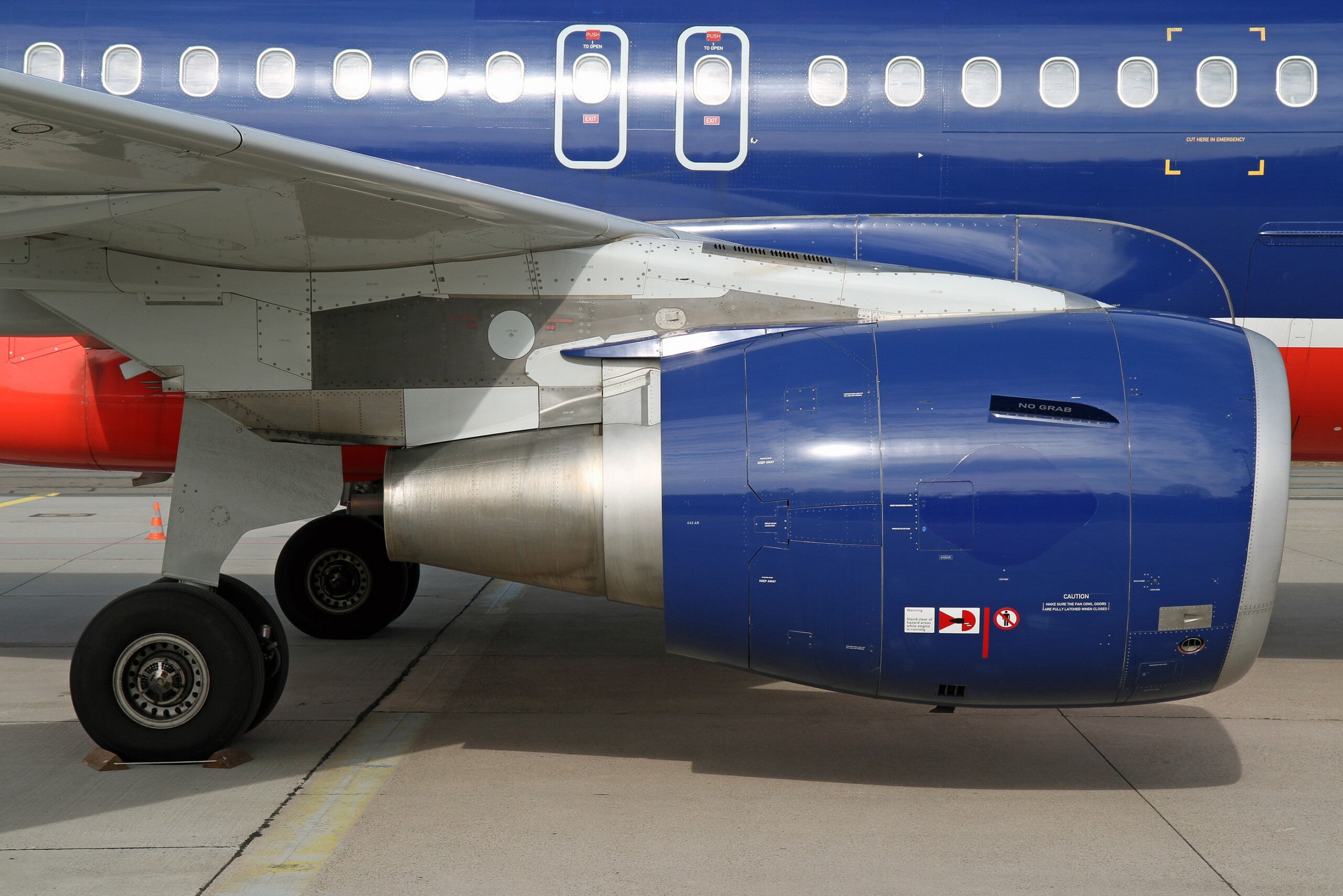
Kanematsu Acquires Stake in Aero Engine Solutions to Expand CFM56 Aftermarket
By Rashid · 2 hours ago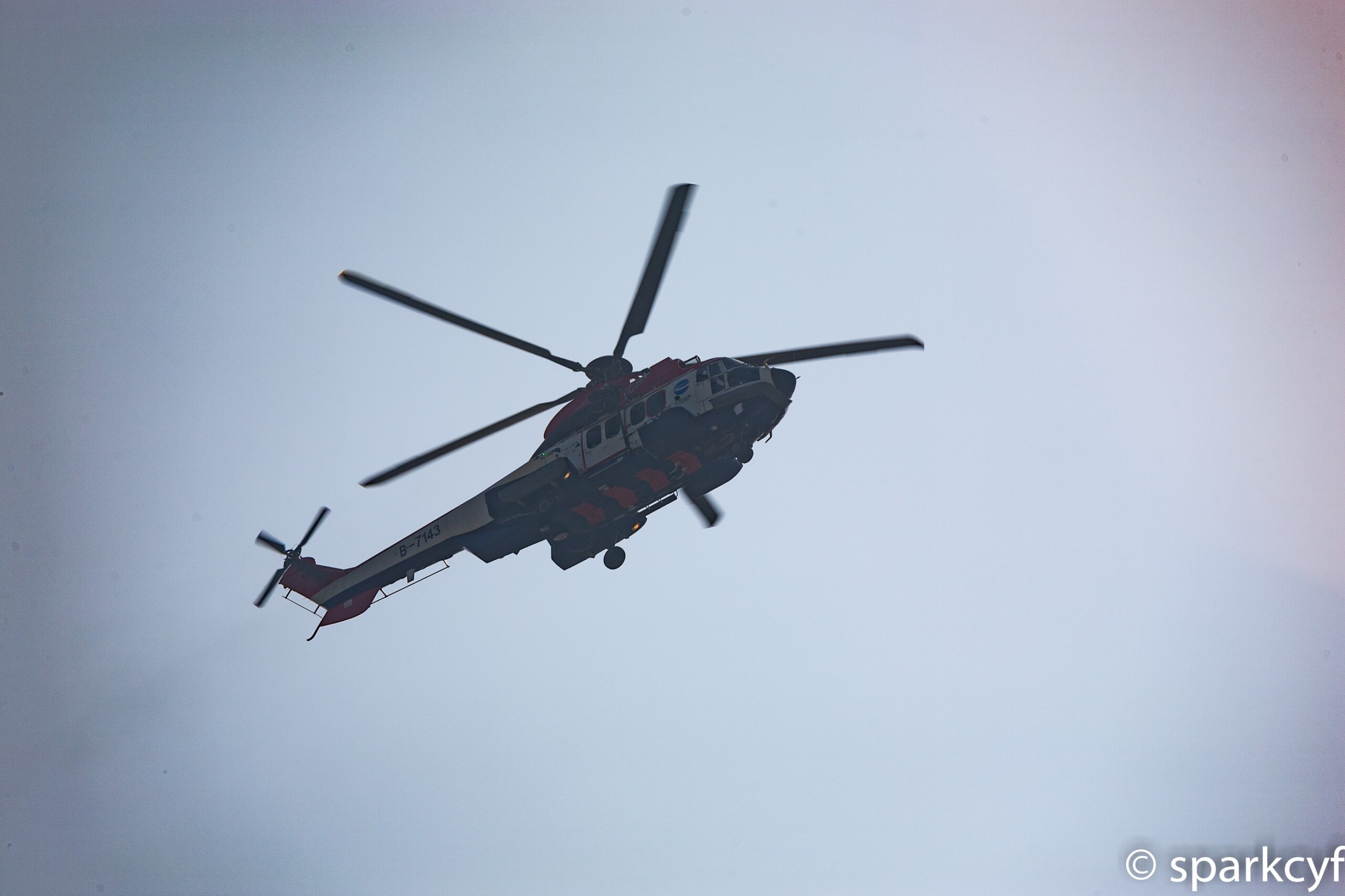
Ex-Change Parts Expands Airbus Helicopters Partnership as Authorized Partner
By Rashid · 7 hours ago
Ex-Change Parts Appointed Authorized Partner for Airbus Helicopters Aftermarket
By Rashid · 7 hours ago