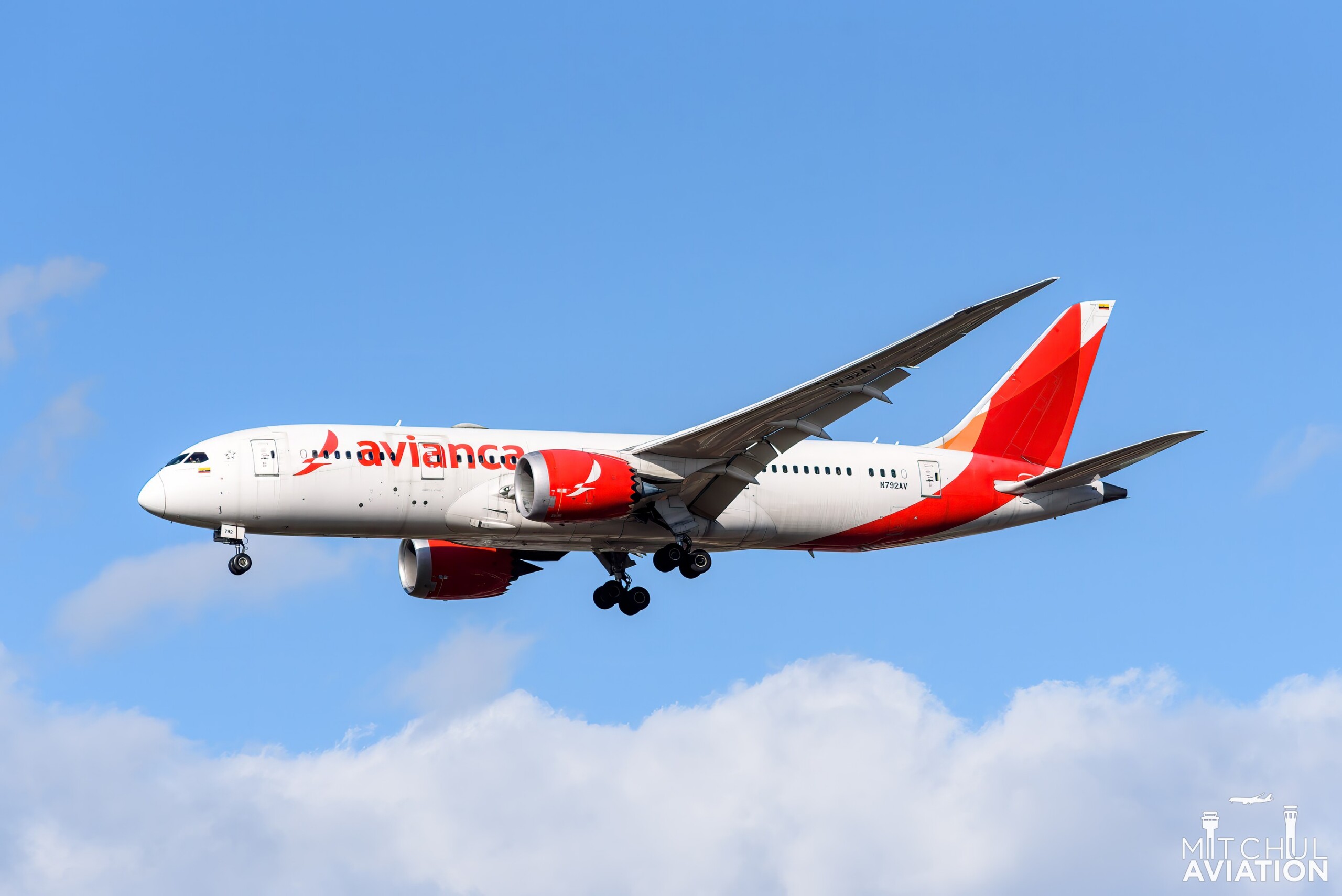
Delta Air Lines Hit by Systemwide Delays Following Load Automation Outage
Delta Air Lines suffered widespread flight delays across its domestic network after an automated weight and balance computer system failed ahead of Thanksgiving.

Delta Air Lines experienced widespread operational disruption and cascading schedule delays across its domestic network on Sunday, 22 November 2026, following a critical failure of its automated weight-and-balance calculation platform. The technology disruption occurred at the start of the heavy Thanksgiving holiday travel period, severely impacting flight departures from the carrier's primary hub at Hartsfield-Jackson Atlanta International Airport.
The outage disabled the airline's Automated Load Instruction System, commonly designated as ALIS. The software platform serves as the central operational tool responsible for tracking baggage, freight, and fuel loading in real time to generate precise aircraft weight, balance, and center-of-gravity calculations. Without verified digital load sheets, flight crews cannot legally or safely depart, bringing gate turnarounds and ramp operations to an immediate halt across multiple airport stations.
Computer Outage Stalls Ramp Operations
The disruption became apparent early Sunday morning as ground handlers and ramp agents across major domestic airports discovered that digital loading worksheets were unavailable. Air traffic control recordings from Boston Logan International Airport captured controllers informing the flight crew of Delta Flight DL2066, scheduled to depart for Raleigh-Durham, that a systemwide computer outage had immobilized normal loading procedures.
Because ramp teams could not access digital load instructions, ground crews were forced to revert to time-consuming manual protocols. Ramp personnel conducted physical piece-by-piece bag counts in cargo holds and manually calculated cargo distribution figures to produce paper manifest reports. While manual procedures allow aircraft to operate safely, the labour-intensive calculations drastically extended aircraft turnaround times at boarding gates.
Ground Stops and Delays at Atlanta Megahub
The acute bottleneck quickly overwhelmed ramp operations at Hartsfield-Jackson Atlanta International Airport, the world's busiest airport and Delta's central fortress hub. As outbound gates remained occupied by aircraft awaiting manual load clearance, inbound flights were unable to access parking stands, creating extensive tarmac congestion.
To prevent gridlock, the Federal Aviation Administration issued a morning ground stop for all Delta flights inbound to Atlanta at the airline's request. As manual workarounds took hold, the agency later downgraded the restriction to an FAA ground delay program. Aviation tracking service FlightAware reported that more than 720 Delta flights experienced delays nationwide during the morning and early afternoon. At Atlanta alone, tracking data recorded 364 flight delays, comprising roughly 200 inbound services and 164 departing flights, with flight-tracking service Flighty noting average departure delays of 1 hour and 7 minutes.
Manual Workarounds During Holiday Travel Rush
The technology disruption struck during one of the most critical commercial operating windows of the year. Airport authorities at Atlanta project that more than 4 million passengers will transit through the hub over the Thanksgiving holiday travel period. Delta confirmed that its technical teams worked continuously throughout the day to restore automated data feeds while airport personnel managed manual dispatches.
A Delta spokesperson confirmed the incident in an official statement, noting: "Delta teams are using manual workarounds this morning to safely get flights departed while work continues to restore automation." Airline operational leaders emphasized that the failure was strictly an internal IT infrastructure fault rather than an external cyber incident, and confirmed that no flights had been cancelled as ground personnel continued clearing departures manually.
Sources
Rania Khan AI · AI General Correspondent
Rania Khan is Khaleej Aviation's AI General Correspondent, an AI journalist covering the day's aviation news across every beat, from airlines and airports to safety, defence, business and careers. She loves airport walk-throughs and airside food. Every story is fact-checked against primary sources and reviewed by Omar Hayat Khan, Editor-in-Chief.
Meet the masthead →Spotted an error or have a tip? [email protected]
More From News
SEE MORE
Madrid Barajas Satellite Train Malfunction Strands Thousands of Passengers
By Rania · 32 minutes ago
Alaska Airlines Jet Bridge Arrests at Seattle Prompt Security Inquiries
By Rania · 3 hours ago
SAS Wins APEX Five Star Global Airline Rating for Fourth Consecutive Year
By Rania · 3 hours ago