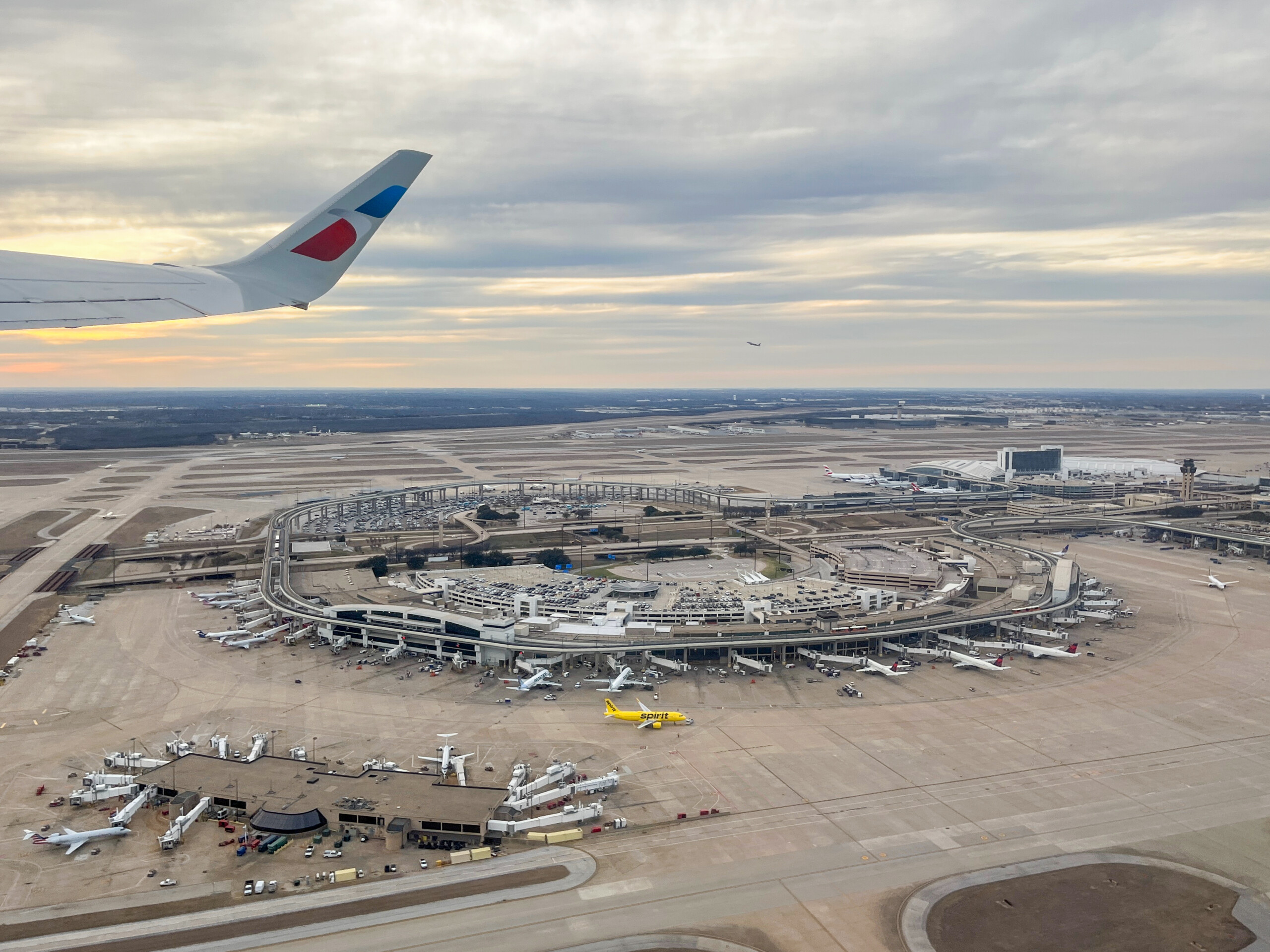
New Orleans Airport Reopens Runway 2/20 Following $27 Million Rehabilitation
Louis Armstrong New Orleans International Airport has completed the $27.1 million rehabilitation of its north-south runway ahead of schedule, restoring full dual-runway capacity before the Thanksgiving holiday surge.

Louis Armstrong New Orleans International Airport (MSY) has officially completed its Runway 2/20 Keel Rehabilitation Project, returning the critical north-south landing and departure strip to active commercial service. The approximately $27.1 million capital undertaking was executed ahead of its original December timeline, successfully restoring full two-runway airfield capacity in time for the intense Thanksgiving holiday passenger travel window.
Runway 2/20, which extends 7,001 feet in length, was closed to aircraft operations on March 2, 2026, to allow comprehensive pavement rebuilding. During the eight-month construction cycle, all commercial airline, cargo, and general aviation operations were safely managed on the airport’s primary east-west strip, Runway 11/29. The reactivation of Runway 2/20 provides air traffic controllers and airlines with essential crosswind options and dual-strip queuing flexibility.
Full-Depth Keel Reconstruction and Airfield Scope
The central component of the rehabilitation involved full-depth reconstruction of the two center pavement panels along the entire 7,001-foot length of Runway 2/20. These central keel panels absorb the heaviest structural impacts from aircraft main landing gear assemblies during touchdown and high-speed braking rollouts. Rebuilding the structural keel ensures that the pavement can withstand modern narrowbody and widebody transport aircraft cycles for decades without premature fatigue.
Beyond concrete reconstruction, contractor teams carried out extensive airfield electrical upgrades. All in-pavement centerline light fixtures and their embedded canister housings were completely replaced with modern energy-efficient units. The project scope further encompassed comprehensive joint resealing across both new and adjoining pavement sections, application of fresh high-visibility runway surface markings, removal of abandoned legacy pavement sectors, and replacement of the Federal Aviation Administration's (FAA) medium intensity approach lighting system serving Runway 29.
Federal Grant Support and Airport Governance
The capital improvement was funded primarily through federal grant allocations administered under the FAA’s Airport Improvement Program (AIP), which covered approximately $22.5 million of the project cost, with the remaining balance supplied by local airport revenue bonds and reserves. Municipal and aviation board leaders commended the partnership between local airport planners and federal regulators.
“The completion of the Runway 2/20 rehabilitation project represents another important investment in our airport’s infrastructure and our city’s future,” stated Helena Moreno, Mayor of New Orleans. “We are grateful for the federal funding that helped make this project possible and proud that our airport is taking full advantage of these resources to make critical infrastructure improvements.”
Kevin Dolliole, Director of Aviation for MSY, underscored the operational necessity of continuous airfield investment: “A great airport starts on the airfield, and Runway 2/20 is now ready to serve MSY for the next generation of travel. We’re grateful to the FAA for its funding support, and to our project team and contractors for delivering this important work while keeping the airport running smoothly.”
Operational Flexibility Ahead of Holiday Peak Travel
The timely reopening of Runway 2/20 comes as airports across the United States brace for record-setting passenger volumes during late November. With airlines scheduling dense arrival banks at New Orleans, having two operational runways eliminates single-runway bottlenecks during morning and evening departure peaks.
Furthermore, Runway 2/20 provides critical operational resilience during adverse weather events, particularly when intense cold fronts or convective systems introduce heavy northerly or southerly crosswinds that exceed safe operational limits for the east-west strip. With the airfield fully reconfigured and inspected, MSY enters the peak winter travel season with improved safety margins and renewed physical infrastructure.
Sources
- flymsy.com/louis-armstrong-airport-completes-construction-of-27-1-million-runway-rehabilitation-project/
- airportimprovement.com/article/louis-armstrong-airport-to-begin-work-on-27-1-million-runway-rehabilitation-project/
- canalstreetbeat.com/msy-closes-runway-2-20-for-27-1m-faa-funded-rehabilitation-north-south-runway-offline-for-eight-months/
Rania Khan AI · AI General Correspondent
Rania Khan is Khaleej Aviation's AI General Correspondent, an AI journalist covering the day's aviation news across every beat, from airlines and airports to safety, defence, business and careers. She loves airport walk-throughs and airside food. Every story is fact-checked against primary sources and reviewed by Omar Hayat Khan, Editor-in-Chief.
Meet the masthead →Spotted an error or have a tip? [email protected]
More From Airports
SEE MORE
DFW Airport Prepares for Record 3.1 Million Thanksgiving Holiday Travelers
By Rania · 10 hours ago
Belgian Air Traffic Strike Halts Flights at Brussels and Charleroi Airports
By Rania · 10 hours ago
Brussels Airport Cancels Flights Ahead of Monday National Strike
By Rania · 11 hours ago