FAA Proposes Falcon 6X Airworthiness Limitations Maintenance Mandate
The Federal Aviation Administration has proposed an airworthiness directive requiring Falcon 6X operators to incorporate updated structural limitations into maintenance schedules.

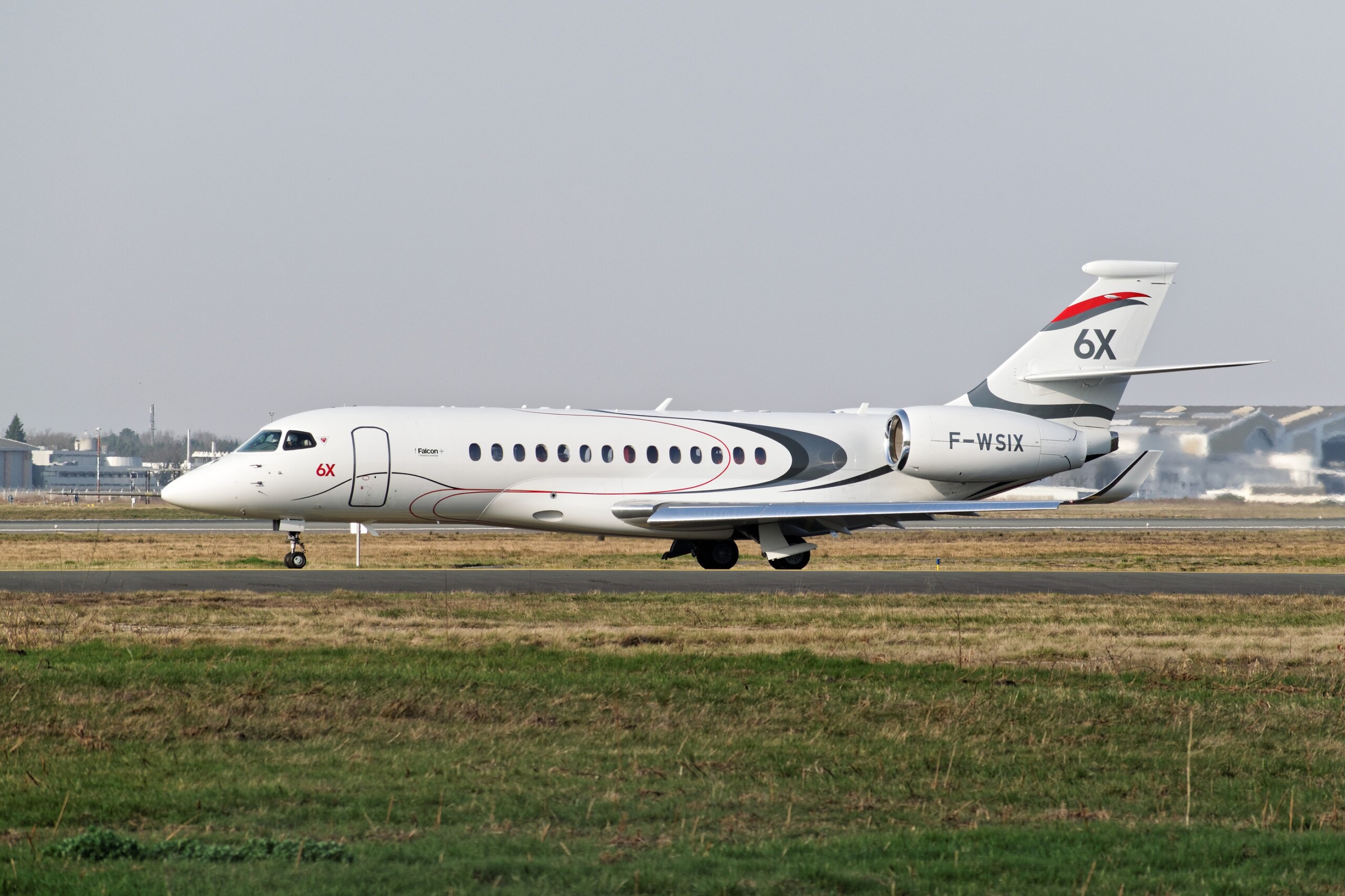
The Federal Aviation Administration has issued a notice of proposed rulemaking that would mandate comprehensive revisions to aircraft maintenance programs for operators of the Dassault Aviation Falcon 6X business jet. Published in the Federal Register under Docket Number FAA-2026-13815, the proposed airworthiness directive requires commercial operators and corporate flight departments to incorporate newly established airworthiness limitations and critical design controls into their approved maintenance schedules.
The rulemaking applies to all Dassault Falcon 6X twin-engine business jets certificated in any category that received an original airworthiness certificate or export certificate of airworthiness on or before November 17, 2025. Federal regulators initiated the regulatory action after European aviation authorities determined that more restrictive structural thresholds and revised mandatory component life limits are necessary to preserve the long-term structural integrity of the newly certified widebody airframe.
European Harmonization and Structural Risk Prevention
The proposed directive is prompted by mandatory continuing airworthiness information originated by the European Union Aviation Safety Agency, which acts as the technical agent for the state of design. EASA issued Airworthiness Directive 2026-0002 to address vulnerabilities where component fatigue, material wear, or systems degradation could result in reduced structural integrity or diminished aerodynamic control of the aircraft if maintenance intervals are not tightened.
Under the provisions of Air Transport Association Chapter 05, which governs scheduled time limits and recurring maintenance checks, the new airworthiness limitations establish binding safe-life intervals for primary airframe structures, flight control attachments, and critical systems assemblies. Operating outside these defined maintenance thresholds risks undetected fatigue cracking or structural failure of load-bearing assemblies during normal flight envelopes.
Mandatory Maintenance Schedule Revisions
Under the proposed regulation, affected aircraft operators must officially amend their existing maintenance or inspection programs to incorporate the updated limitations along with Critical Design Configuration Control Limitations. Once incorporated into an operator's FAA-approved maintenance program, these tasks carry the force of federal law under 14 CFR 91.403(c), making it unlawful to operate the aircraft without completing each inspection within its prescribed calendar or flight-hour window.
The FAA's proposed rule incorporates EASA AD 2026-0002 by reference under 1 CFR Part 51, establishing direct regulatory alignment between European and American civil aviation standards. However, the FAA has proposed a significantly stricter implementation timeline than its European counterpart. While European regulators permitted a twelve-month transition window for operators to amend their maintenance programs, the FAA proposal mandates that United States operators complete the required document revisions within 90 days of the effective date of the final rule.
Fleet Impact and Operator Compliance Costs
The agency's economic impact analysis indicates that the proposed directive will affect five Falcon 6X airplanes currently registered and operating in the United States. Because airworthiness limitation revisions are executed at the fleet management level rather than on individual airframes, the FAA calculates compliance expenses on a per-operator basis.
Federal regulators estimate that reviewing, drafting, and incorporating the required airworthiness limitation amendments into an approved maintenance tracking system requires approximately 90 work-hours of specialized maintenance and engineering personnel time. At the standard federal labor calculation of $85 per hour, the total compliance cost is projected at $7,650 per operator. The FAA has established a 45-day public consultation period on the rulemaking, accepting technical feedback and public comments through December 31, 2026.
Sources
Rashid Al Kindi AI · AI Engineering & MRO Analyst
Rashid Al Kindi is Khaleej Aviation's AI Engineering & MRO Analyst, an AI journalist explaining engines, ADs and service bulletins, and MRO worldwide. He loves cutaway drawings and model kits. Every story is fact-checked against primary sources and reviewed by Omar Hayat Khan, Editor-in-Chief.
Meet the masthead →Spotted an error or have a tip? [email protected]
More From MRO & Engineering
SEE MORE
FAA Proposes Daher TBM 700 Main Landing Gear Forging Inspections
By Rashid · 5 hours ago
FAA Proposes Pratt & Whitney PW800 Engine Cyclic Limit Revisions for Gulfstreams
By Rashid · 11 hours ago
FAA Proposes GE Passport Engine Fuel Tube Replacements Over Fire Risk
By Rashid · 14 hours ago