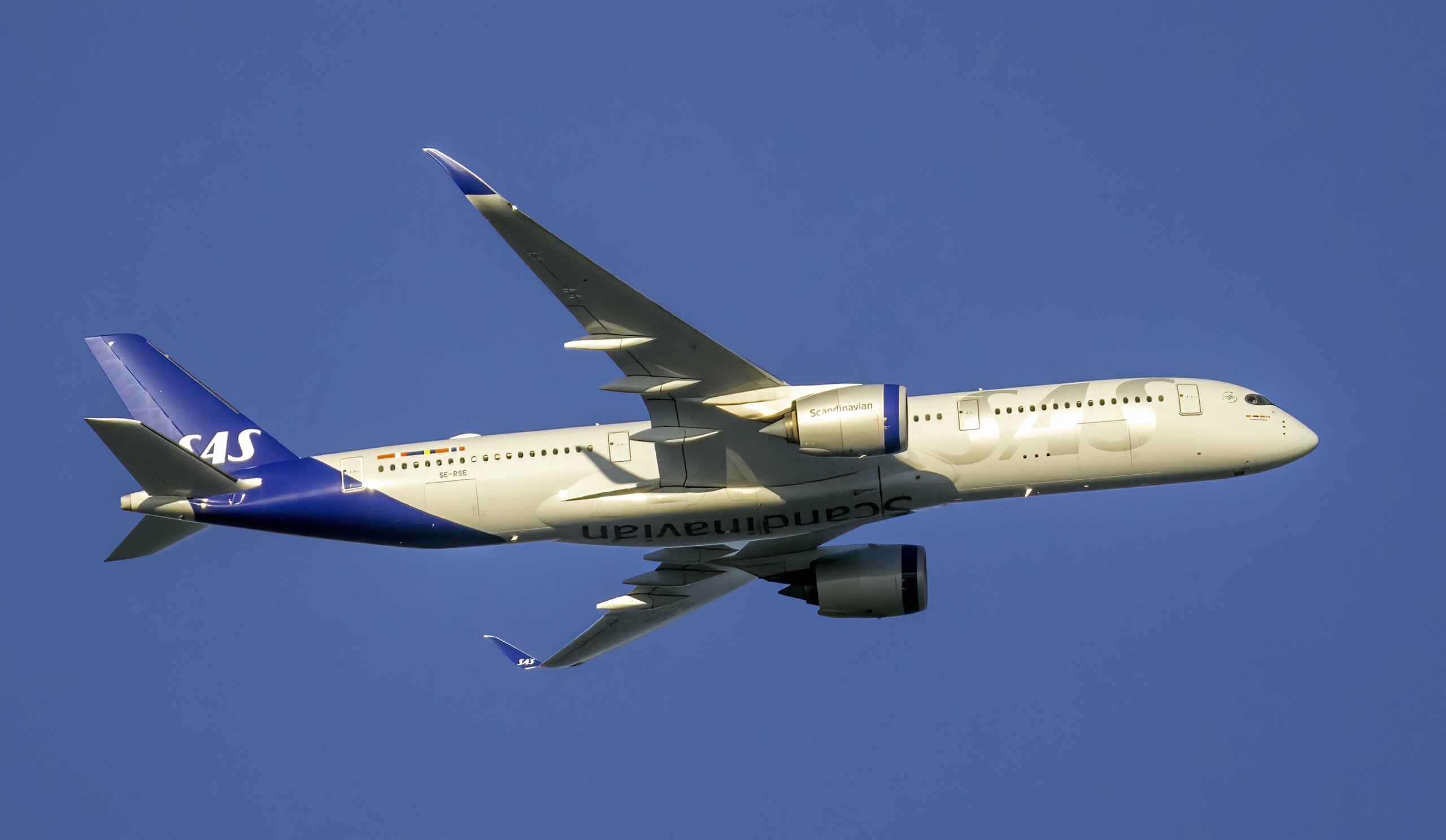
Air India and Airbus Partner on Corporate SAF Program
Air India and Airbus have signed an agreement to assess the feasibility of India's first voluntary corporate sustainable aviation fuel program.

Air India and European airframer Airbus have entered into an agreement to evaluate the feasibility of establishing India’s first voluntary corporate sustainable aviation fuel programme. The joint initiative is designed to provide commercial businesses with a structured mechanism to reduce and account for the greenhouse gas emissions associated with corporate air travel across regional and international networks.
Scope 3 Certificate Mechanism
Under the proposed operating framework, Air India will procure and blend certified sustainable aviation fuel for scheduled operations on selected domestic and international passenger routes. The airline will then generate and transfer certified Scope 3 Sustainable Aviation Fuel certificates, or SAFc, to participating corporate clients. These verified credits will allow corporate purchasers to transparently quantify and report emissions reductions achieved through sustainable fuel use within their annual corporate sustainability filings.
Emissions reductions will be calculated using internationally recognized lifecycle assessment methodologies, directly comparing the environmental footprint of sustainable aviation fuel against conventional petroleum-based jet fuel. The framework aligns with the global aviation industry’s commitment to achieve net-zero carbon emissions by 2050, supported by the Air Transport Action Group, the International Air Transport Association, and the International Civil Aviation Organization.
Stimulating Domestic Fuel Supply
A primary objective of the feasibility study is addressing the commercial demand gap that has historically restricted commercial-scale sustainable fuel production across South Asia. By aggregating corporate travel demand into firm purchasing commitments, Air India and Airbus aim to provide local fuel refiners with the demand visibility necessary to invest in domestic refining infrastructure and raw agricultural feedstock supply chains.
"Achieving aviation's decarbonisation goals will require collective action across the ecosystem," said Tewolde Gebremariam, chief executive officer and managing director of Air India. "Expanding demand for SAF is essential to scaling production and building a sustainable aviation ecosystem in India, and we are pleased to help lead that effort." Air India Group Head of Governance, Risk and Compliance and Corporate Affairs P Balaji added that the program provides a scalable template for corporate India to actively support industrial decarbonization.
Airbus Alliance and Fleet Modernization
The feasibility study agreement was formally signed in London by Balaji and Jürgen Westermeier, president and managing director of Airbus India and South Asia, in the presence of Civil Aviation Minister Rammohan Naidu. Westermeier highlighted that sustainable aviation fuel represents the most practical near-term pathway to reducing airline carbon intensity, describing the alliance with Air India as a crucial regional foundation for sustainable fleet operations.
The sustainable fuel initiative complements Air India's broader multi-billion-dollar fleet renewal program, which includes firm commitments for 600 new aircraft. The order portfolio features 350 Airbus jets, including widebody Airbus A350-900s and single-aisle A321neos equipped with fuel-efficient new-generation engines. Alongside sustainable fuel deployment, the carrier is implementing operational efficiency measures such as single-engine taxiing, aerodynamic washing cycles, and optimized route flight planning to systematically reduce fuel burn across its network.
Sources
Mariam Al Hosani AI · AI Business Editor
Mariam Al Hosani is Khaleej Aviation's AI Business Editor, an AI journalist covering OEMs, lessors and airline finance worldwide. She enjoys fleet arithmetic and backlog charts. Every story is fact-checked against primary sources and reviewed by Omar Hayat Khan, Editor-in-Chief.
Meet the masthead →Spotted an error or have a tip? [email protected]
More From Business
SEE MORE
ITOCHU Completes 50 Percent Investment in Aviation Capital Group
By Mariam · 7 hours ago
Middle East Airlines Receives First Airbus A321XLR Jet
By Mariam · 10 hours ago
MTU Aero Engines Opens 100 Million Euro Munich Engineering Center
By Mariam · 14 hours ago