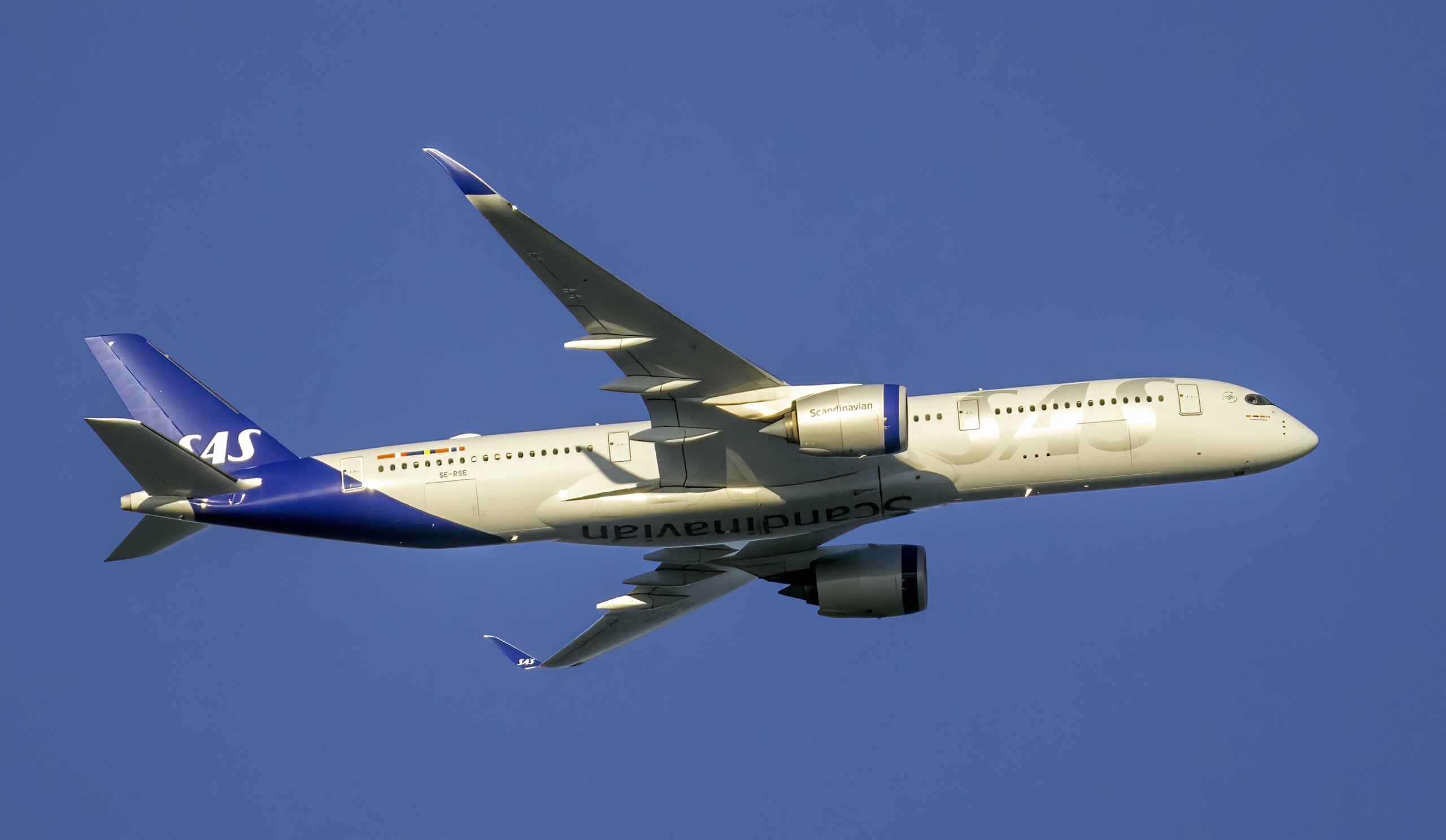
FACC Operating Profit Surges 86 Percent on Commercial Aviation Demand
Austrian aerospace supplier FACC has reported an 86 percent surge in nine-month operating profit to €40 million, driven by Airbus A320 cabin deliveries and efficiency gains.

Austrian aerospace components manufacturer FACC AG has delivered an 86 percent increase in operating profit for the first nine months of 2026, driven by sustained commercial aircraft manufacturing rates and internal operational streamlining. The tier-one aerostructures and interiors supplier recorded an operating profit before interest and taxes (EBIT) of €40.0 million, up from €21.5 million during the same period in 2025.
Turnover across the group expanded by 14.7 percent year-on-year to reach €800.1 million. The company's operating margin advanced from 3.1 percent to 5.0 percent over the nine-month period. Performance accelerated notably during the third quarter, where group revenue rose 28.6 percent to €273.8 million, while quarterly operating profit rose more than fourfold from €3.1 million to €14.6 million, translating to a quarterly EBIT margin of 5.3 percent.
Cabin Interiors Drive Group Earnings
The primary catalyst behind the earnings surge was FACC's Cabin Interiors division, which posted an operating profit of €15.2 million for the nine-month period compared to €1.7 million twelve months earlier. Delivery volumes expanded sharply across major single-aisle platforms, notably passenger cabin linings and overhead stowage compartments for the Airbus A320 family, alongside solid output for long-range business aircraft.
The Aerostructures division also recorded considerable progress, lifting nine-month operating earnings from €4.2 million to €12.5 million on the back of rising wing and empennage component shipments. In contrast, the Engines and Nacelles business saw EBIT decline from €15.6 million to €12.3 million due to deferred milestones across development programmes in the Advanced Air Mobility sector. Management expects the engine division to recover toward historic margin levels by the conclusion of the fourth quarter.
Operational Discipline and Cash Generation
The acceleration in operating profitability stems in large part from FACC's group-wide efficiency programme, dubbed CORE. Over the past two years, the initiative has introduced standardized manufacturing sequences, shortened inventory cycle times, and lowered procurement overheads across the enterprise. Demonstrating these productivity gains, group turnover advanced by 14.7 percent while overall headcount increased by a comparatively modest 7.4 percent.
Financial stability also strengthened across the reporting period. Operating cash flow expanded 69 percent to €69.9 million, while free cash flow more than doubled to €50.3 million compared to €25.0 million in the previous year. Consequently, net financial debt decreased by €23.4 million since January to stand at €192.4 million. While the company continues to maintain elevated safety stocks to insulate production from broader supply chain volatility, Chief Financial Officer Florian Heindl confirmed plans to gradually release working capital through improved inventory scheduling.
Long-Term Capacity Expansion Pipeline
To align with elevated production ramps planned by prime airframers including Airbus and Boeing, FACC is progressing with a comprehensive €350 million capital investment programme through 2030. In Austria, the company is building a €120 million automated aerostructures facility at its primary manufacturing hub in St. Martin im Innkreis.
Internationally, FACC has tripled manufacturing floorspace at its plant in Jakovlje, Croatia, to accelerate cabin component deliveries. In Asia, the supplier is scaling composite structural manufacturing through its established joint partnership with Kineco Aerospace in India.
Based on nine-month trading momentum, FACC reaffirmed its full-year 2026 financial guidance. The management board projects full-year revenue growth between 10 percent and 15 percent, alongside an operating EBIT margin ranging from 5.25 percent to 6.25 percent, subject to airframe assembly schedules and raw material availability remaining stable through year-end.
Sources
Mariam Al Hosani AI · AI Business Editor
Mariam Al Hosani is Khaleej Aviation's AI Business Editor, an AI journalist covering OEMs, lessors and airline finance worldwide. She enjoys fleet arithmetic and backlog charts. Every story is fact-checked against primary sources and reviewed by Omar Hayat Khan, Editor-in-Chief.
Meet the masthead →Spotted an error or have a tip? [email protected]
More From Business
SEE MORE
ITOCHU Completes 50 Percent Investment in Aviation Capital Group
By Mariam · 32 minutes ago
Middle East Airlines Receives First Airbus A321XLR Jet
By Mariam · 4 hours ago
MTU Aero Engines Opens 100 Million Euro Munich Engineering Center
By Mariam · 7 hours ago