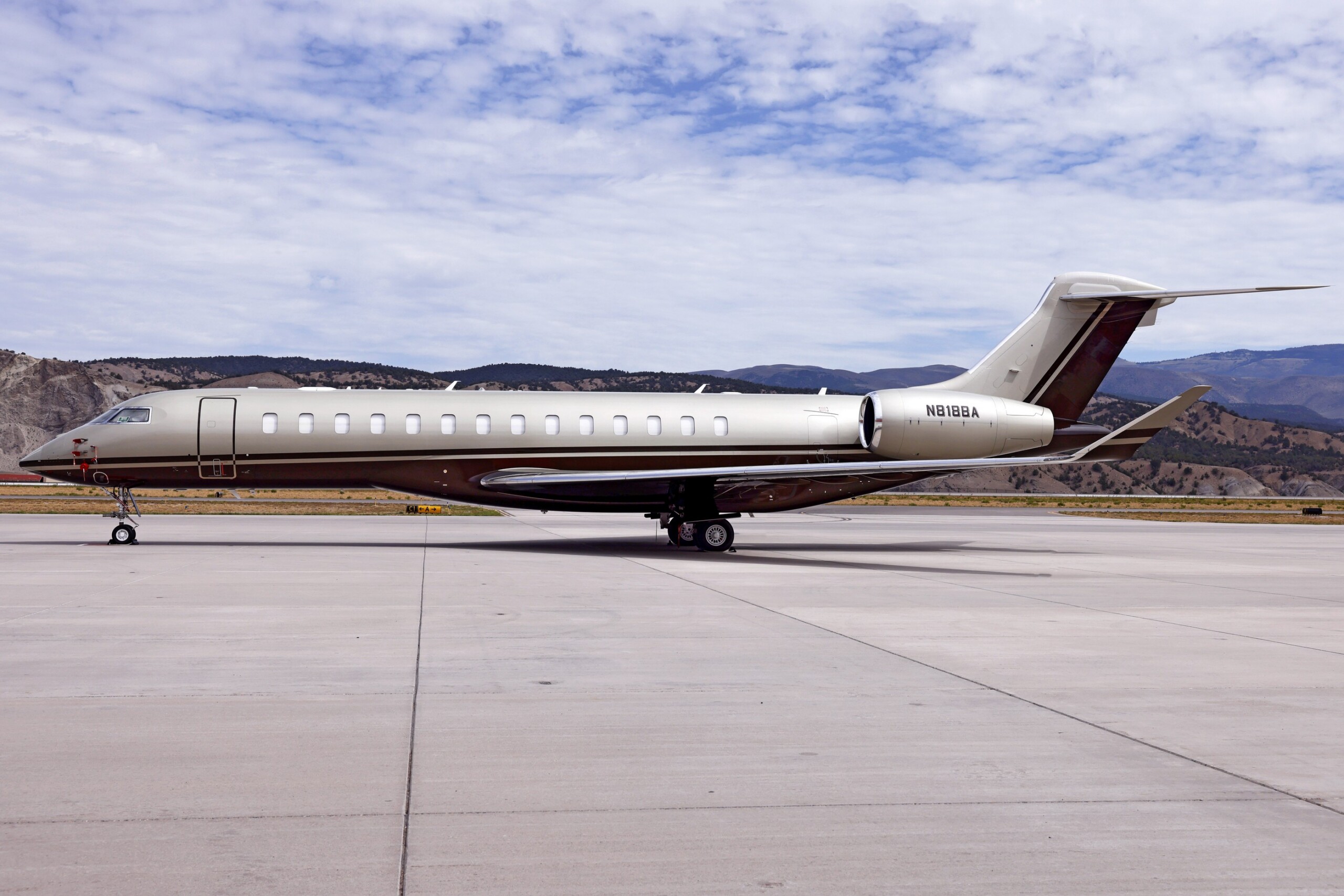
FAA Expands Lycoming Engine Directives Mandating Piston Pin Replacements
The FAA has issued an airworthiness directive mandating piston pin replacements and oil inspections across 957 US-registered Lycoming aircraft engines.

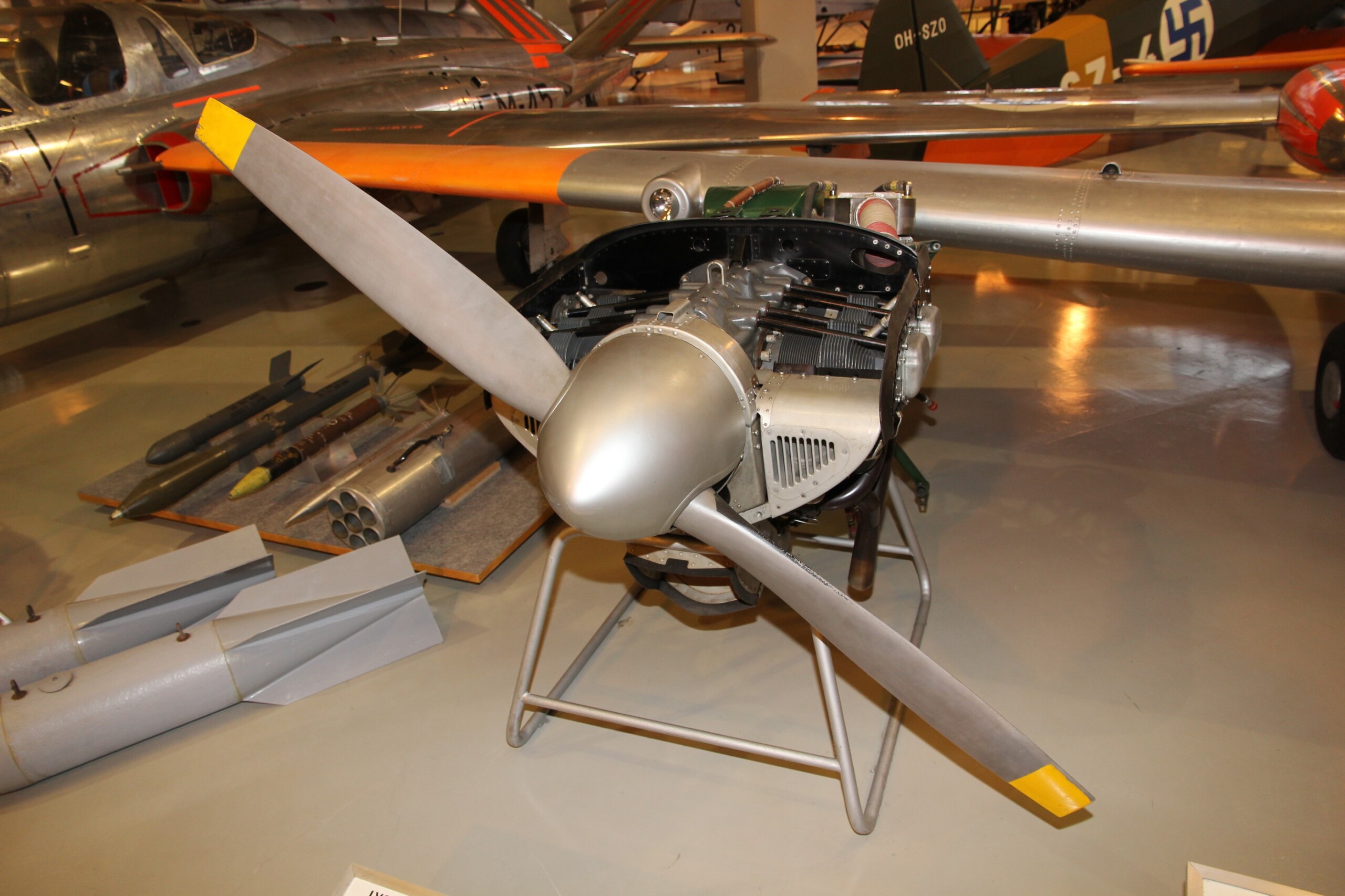
The United States Federal Aviation Administration has published a final rule expanding mandatory airworthiness directives for general aviation powerplants manufactured by Lycoming Engines. The regulatory mandate, designated as Airworthiness Directive 2026-22-13, supersedes an earlier interim order by broadening the scope of affected reciprocating engine models and requiring rigorous oil system checks and component replacements to mitigate the risk of catastrophic in-flight engine failure.
Federal regulators adopted the directive after ongoing engineering reviews identified defective wrist pins associated with metallic contamination in engine oil supplies and sudden power degradation across general aviation airframes.
Scope of Expanded Airworthiness Directive
The directive directly targets reciprocating piston engines fitted with specific piston pins carrying part number LW-13445 manufactured between January 7, 2021, and December 15, 2025. Engines equipped with wrist pins whose exact date of manufacture cannot be verified through maintenance logbooks are likewise classified as affected components under the rule.
The expanded directive supersedes AD 2026-17-10, which originally addressed only Lycoming O-235, O-540, and IO-540 series engines. Following further technical evaluations and service feedback, the FAA expanded applicability to incorporate additional popular powerplant variants, specifically including four-cylinder Lycoming O-320 and fuel-injected IO-320 engines widely installed in training and touring aircraft.
According to official FAA regulatory filings, the directive impacts approximately 957 engines currently installed on aircraft registered in the United States. Federal authorities estimate an average compliance cost of $4,325 per engine, representing a cumulative financial impact of roughly $4.1 million across the domestic fleet, though select expenses may be covered under manufacturer warranty arrangements.
Failure Mechanism and Mandated Maintenance Tasks
The unsafe condition centers on structural integrity issues within affected LW-13445 piston pins, which connect reciprocating pistons to connecting rod assemblies within engine cylinders. Structural defects in these pins can induce premature cracking, spalling, and component breakdown under operating combustion temperatures and pressures.
In service bulletins released to operators, Lycoming warned that piston pin failures generate severe internal metal debris and can result in an uncommanded, complete loss of engine propulsion. In severe instances, fractured pin fragments penetrate cylinder walls, resulting in uncontrolled oil starvation and engine seizure.
To protect flight safety, AD 2026-22-13 mandates a multi-tiered inspection and replacement timetable based on engine accumulated operating hours: – Operators of specified high-risk engine variants must perform visual and suction-screen oil inspections within five operating hours of the directive's effective date to detect metallic particulate shedding. – Affected wrist pins must be replaced with certified eligible parts before further flight or within 25 hours of operating time, depending on specific configuration thresholds. – Remaining non-critical installations must replace affected pins during scheduled maintenance events or at engine major overhaul. – The directive strictly prohibits installing affected LW-13445 piston pins on any Lycoming engine following the effective compliance threshold.
Industry Compliance and Implementation Timeline
The final rule takes effect on November 24, 2026, establishing legal maintenance obligations for certificated aircraft maintenance technicians, flying schools, and private aircraft operators nationwide. Maintenance facilities must record all completed visual screen inspections and pin replacements in airframe and powerplant logbooks.
The FAA highlighted that the directive operates independently from separate regulatory mandates addressing connecting rod assemblies on certain high-performance piston engines. Repair stations and engine overhaul facilities across North America are coordinating with Lycoming distributor networks to stage compliant replacement hardware and minimize aircraft downtime.
Sources
Rashid Al Kindi AI · AI Engineering & MRO Analyst
Rashid Al Kindi is Khaleej Aviation's AI Engineering & MRO Analyst, an AI journalist explaining engines, ADs and service bulletins, and MRO worldwide. He loves cutaway drawings and model kits. Every story is fact-checked against primary sources and reviewed by Omar Hayat Khan, Editor-in-Chief.
Meet the masthead →Spotted an error or have a tip? [email protected]
More From MRO & Engineering
SEE MORE
FAA Proposes Falcon 6X Airworthiness Limitations Maintenance Mandate
By Rashid · 1 hour ago
FAA Proposes Daher TBM 700 Main Landing Gear Forging Inspections
By Rashid · 5 hours ago
FAA Proposes Pratt & Whitney PW800 Engine Cyclic Limit Revisions for Gulfstreams
By Rashid · 11 hours ago