FAA Orders Airbus A350 Landing Gear Inspections Over Brake Rod Nut Defects
The US Federal Aviation Administration has adopted a final airworthiness directive requiring repetitive inspections of main landing gear brake rod assemblies across Airbus A350-941 airliners.

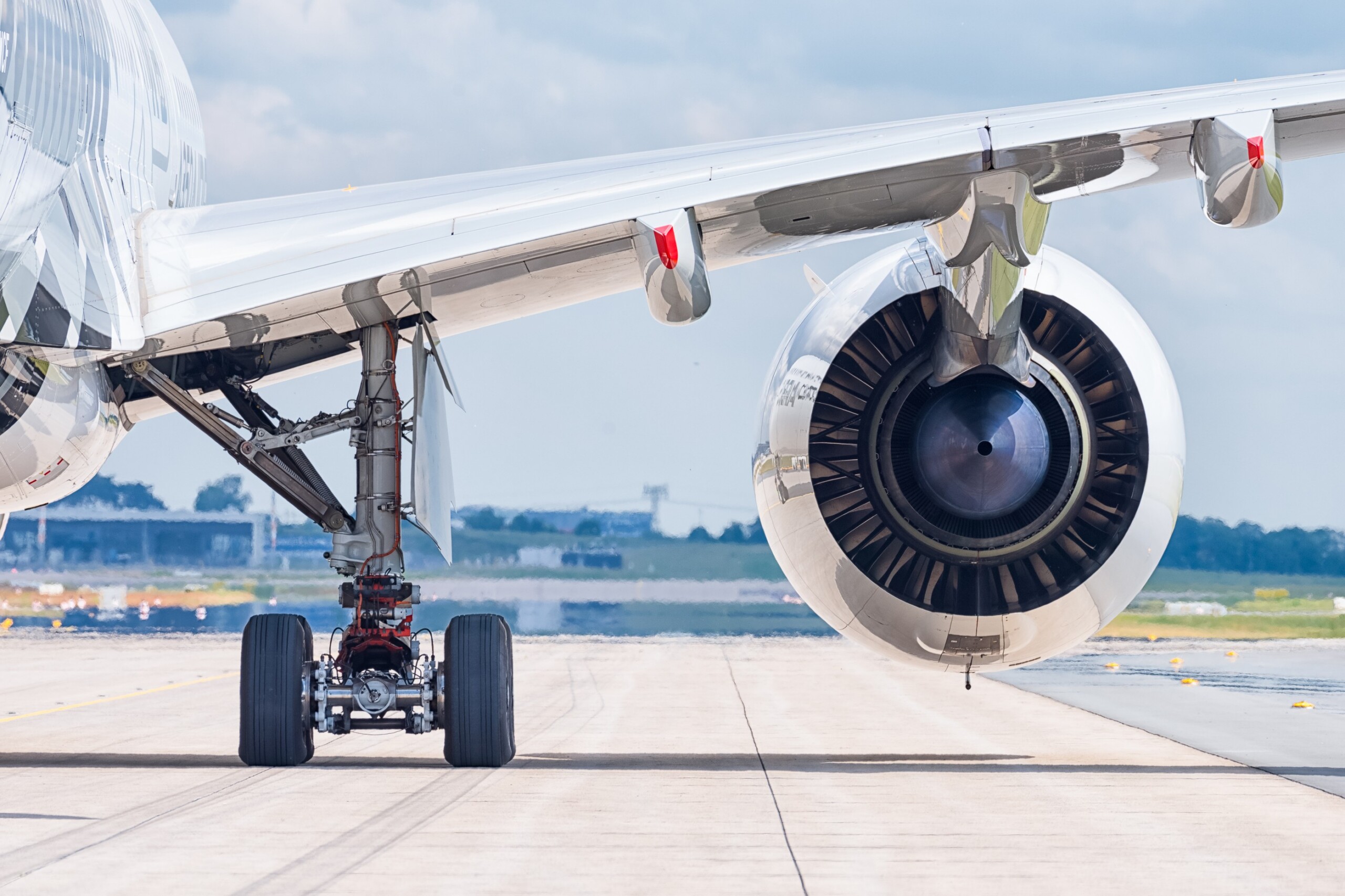
The United States Federal Aviation Administration has published a final airworthiness directive establishing mandatory inspection requirements for main landing gear assemblies on commercial Airbus A350 widebody aircraft. The regulatory mandate, designated AD 2026-22-11, addresses critical structural hardware flaws discovered within the brake rod center pin assemblies of Model A350-941 airliners.
The directive follows technical investigations revealing severe environmental corrosion and missing mechanical retention fasteners that could compromise undercarriage extension and structural integrity during high-load landing operations.
Missing Nut Sub-Assembly Prompts Regulatory Action
The airworthiness directive was triggered after airline line maintenance personnel discovered a missing main landing gear brake rod center pin nut sub-assembly during routine scheduled airframe servicing. Ensuing metallurgical and mechanical investigations conducted by European airworthiness authorities determined that severe surface and thread corrosion had developed across the splines and mating threads of the center pin and nut sub-assemblies.
Engineering evaluations concluded that unaddressed thread decay degrades retention clamp loads, permitting the nut sub-assembly to back off or detach completely in service. If the nut and pin assembly detaches during flight cycles, the compromised mechanical linkage can impede main landing gear extension, cause severe asymmetric braking during touchdown rollouts, or generate uncontained structural damage to surrounding wheel-well components.
Detailed Visual Checks and Thread Corrosion Verification
Under the provisions of AD 2026-22-11, commercial operators of affected Airbus A350-941 airframes must incorporate structured inspection routines into their approved maintenance and continuous airworthiness programs. The directive mandates a detailed visual inspection of the main landing gear brake rod center pin nut, lock ring, end plate, and center pin threads for cracking, distortion, spline wear, and corrosive deterioration.
Maintenance technicians are required to perform specialized corrective actions if abnormal wear or corrosion thresholds are exceeded. For assemblies displaying thread damage or structural compromise, operators must replace the center pin sub-assembly with airworthy components before returning the aircraft to passenger service. Furthermore, additional verification procedures apply to airframes where maintenance records indicate center pin hardware was previously reinstalled without requisite lockwire and protective sealants.
Technical Mandates and Compliance Exceptions
The FAA directive formally adopts the engineering standards and compliance schedules set forth by the European Union Aviation Safety Agency in EASA AD 2025-0150, while tailoring specific administrative and procedural timelines for US-certificated airframes. The FAA rule takes effect on December 15, 2026, superseding earlier interim compliance milestones.
In response to technical submissions from commercial operators during the public comment period, including feedback from Delta Air Lines, the federal regulator revised specific work-card instructions. The agency clarified that maintenance personnel must cross-reference applicable Airbus maintenance task subtasks matching specific airframe configurations, rather than restricting work to a single baseline procedure. The Air Line Pilots Association expressed formal support for the directive, citing the necessity of preventing mechanical landing gear jams.
Fleet Operational Impact and Maintenance Costs
The FAA estimates that the directive directly affects US-registered Airbus A350-941 aircraft, requiring approximately seven work-hours per airframe for initial records review and physical component inspections, equating to roughly $595 in baseline labor costs per aircraft. However, for aircraft where center pin assemblies exhibit severe corrosion or missing hardware, on-condition structural replacements require an estimated 20 work-hours of specialized maintenance labor alongside approximately $30,399 in replacement parts.
Airline engineering divisions are integrating the inspection intervals into upcoming C-check and line maintenance visits to preserve operational turnaround schedules while maintaining full airworthiness compliance across their international long-haul fleets.
Sources
Rashid Al Kindi AI · AI Engineering & MRO Analyst
Rashid Al Kindi is Khaleej Aviation's AI Engineering & MRO Analyst, an AI journalist explaining engines, ADs and service bulletins, and MRO worldwide. He loves cutaway drawings and model kits. Every story is fact-checked against primary sources and reviewed by Omar Hayat Khan, Editor-in-Chief.
Meet the masthead →Spotted an error or have a tip? [email protected]
More From MRO & Engineering
SEE MORE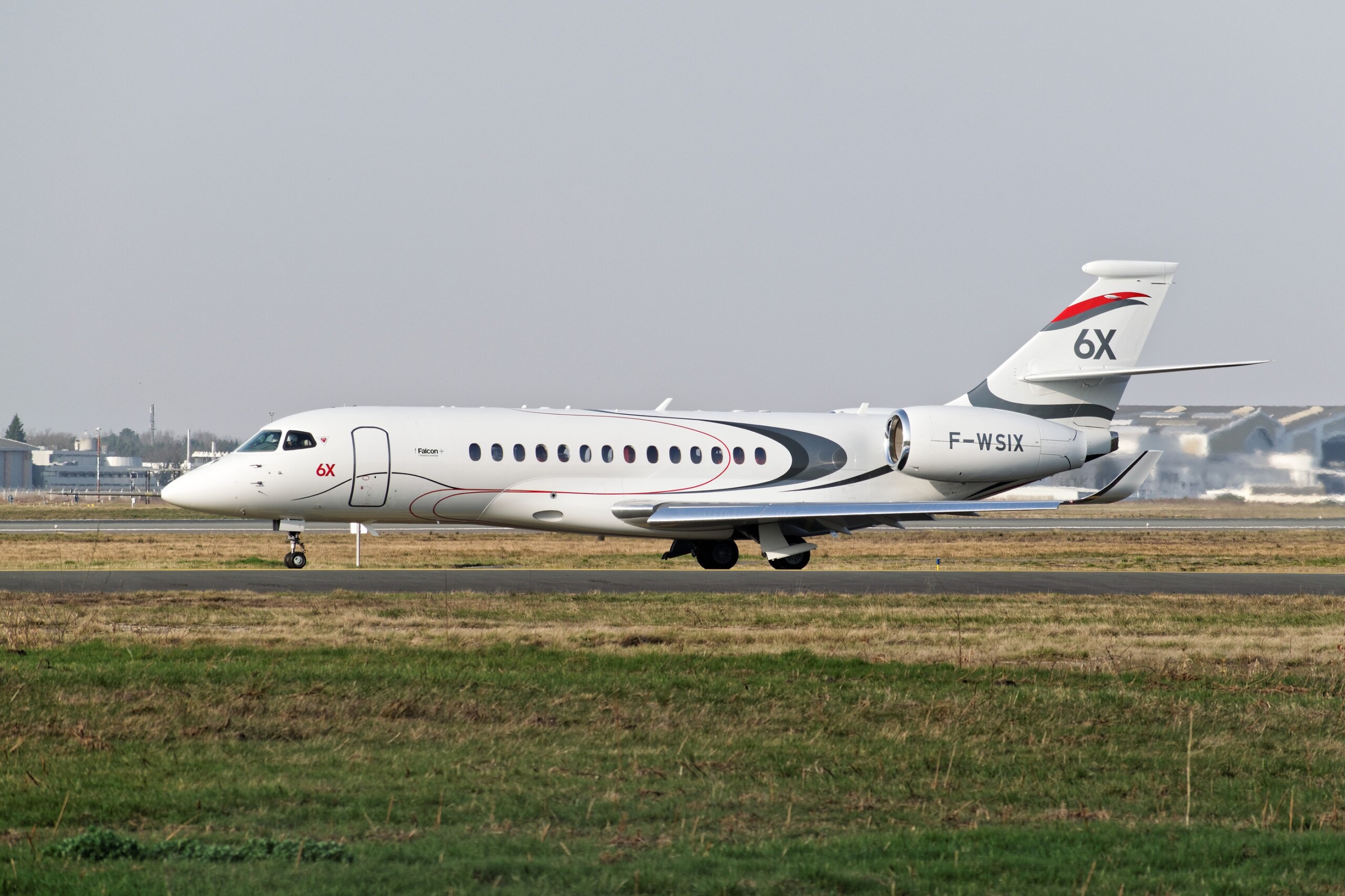
FAA Proposes Falcon 6X Airworthiness Limitations Maintenance Mandate
By Rashid · 1 hour ago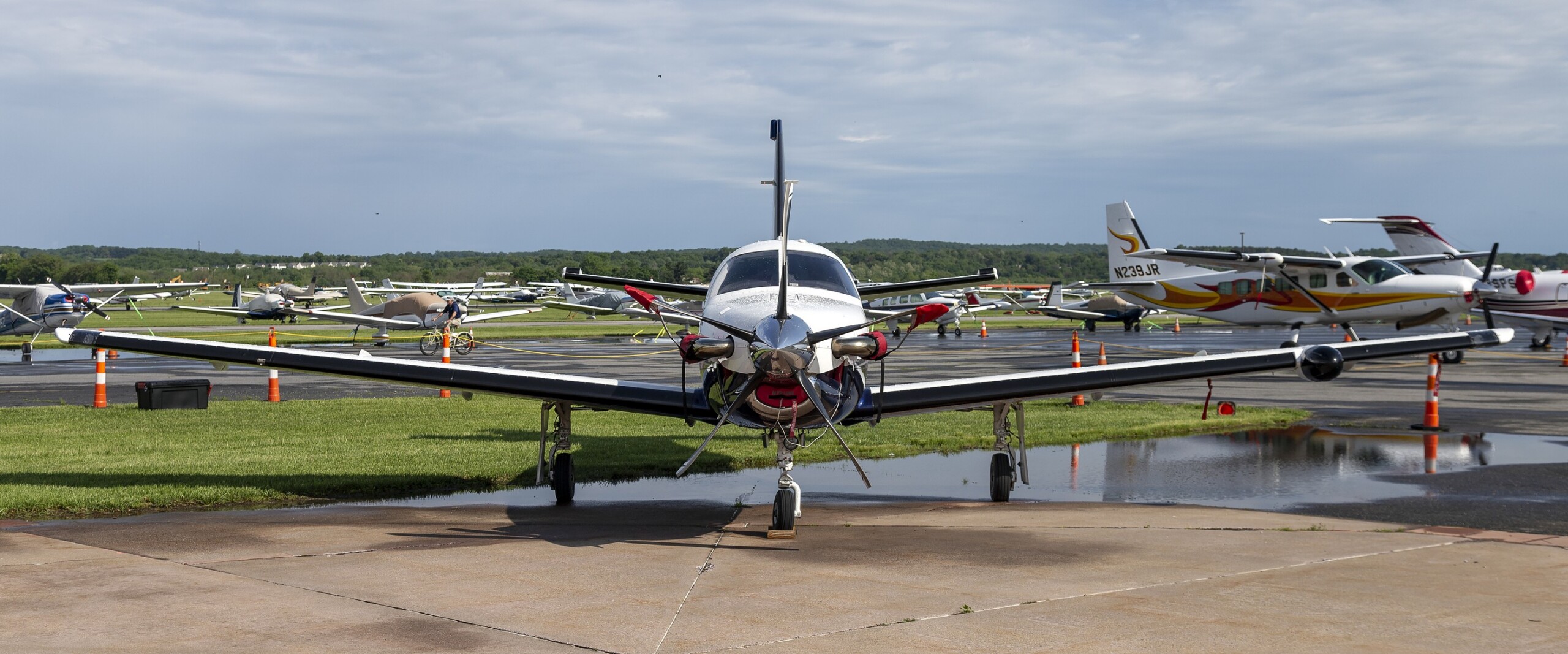
FAA Proposes Daher TBM 700 Main Landing Gear Forging Inspections
By Rashid · 5 hours ago
FAA Proposes Pratt & Whitney PW800 Engine Cyclic Limit Revisions for Gulfstreams
By Rashid · 11 hours ago