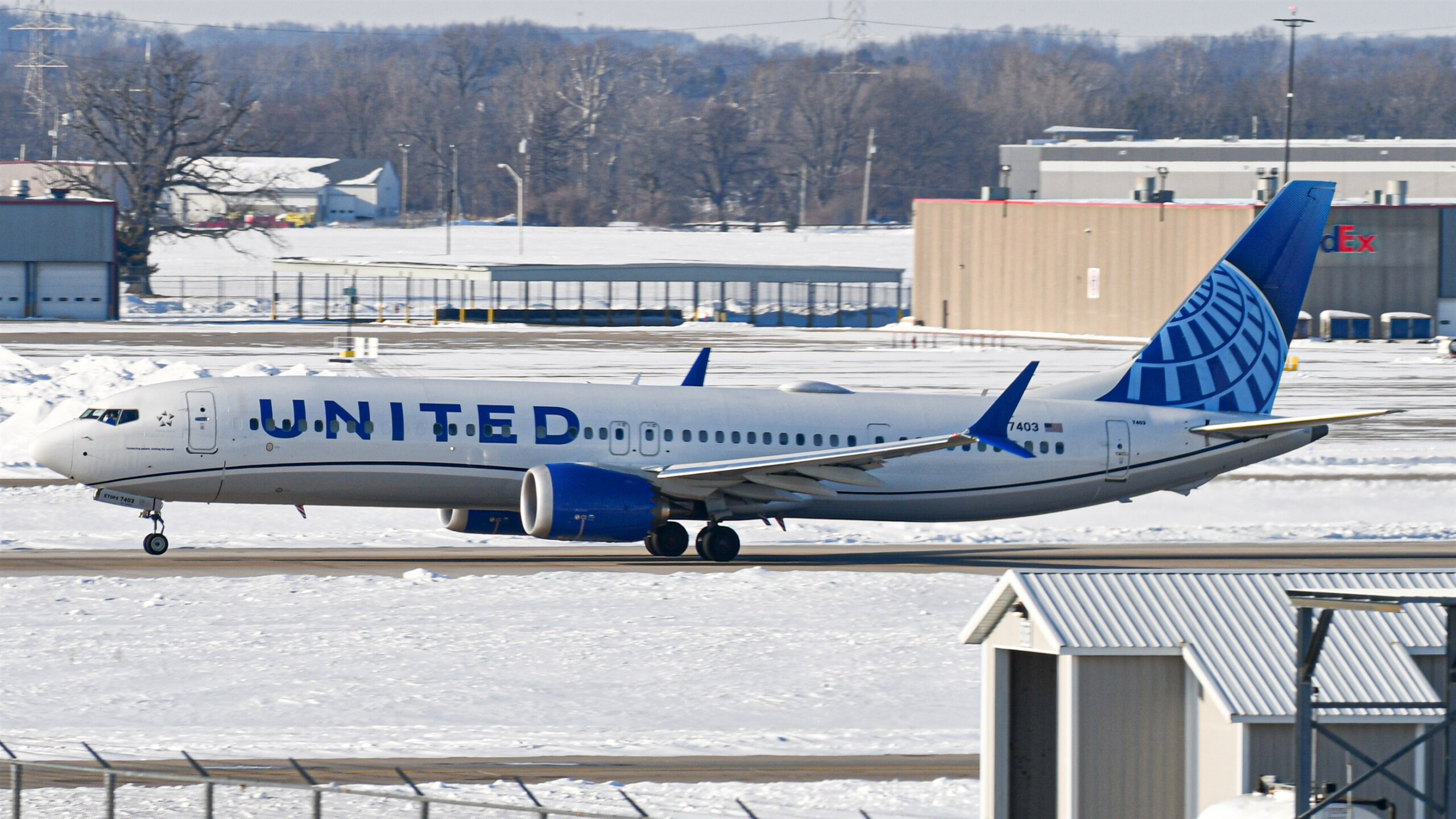
IAG Operating Profit Falls to 1.73 Billion Euros on Surging Fuel Costs
International Airlines Group reported a 15.9 percent drop in third-quarter operating profit to 1.73 billion euros as jet fuel costs surged.

International Airlines Group has reported an operating profit before exceptional items of €1.73 billion for the third quarter of 2026, marking a 15.9 percent decrease compared with the €2.05 billion recorded during the same period last year. The multinational aviation holding company—parent to British Airways, Iberia, Aer Lingus, and Vueling—faced substantial margin pressure during the peak summer quarter despite delivering a 4.5 percent increase in total revenue to €9.74 billion.
The airline group generated solid top-line expansion behind sustained leisure demand and elevated premium passenger traffic, but profitability was constrained by sharp escalations in operating expenses. Chief Executive Officer Luis Gallego described the quarterly financial results as resilient, highlighting ongoing customer loyalty across the group's airline brands and robust yield performance that helped absorb considerable industry headwinds.
Fuel Spikes and Disruption Impact Operating Margins
The principal headwind confronting the European airline conglomerate was a severe escalation in aviation fuel expenditure. Net of hedging gains, IAG's total fuel costs jumped by 30.4 percent year-on-year, driven by volatile global crude benchmarks and refined jet fuel premiums exacerbated by ongoing geopolitical conflicts in the Middle East. With fuel unit costs climbing 30.7 percent during the three months, management now projects the group's total annual fuel bill will reach approximately €8.9 billion for the full calendar year.
In addition to commodity spikes, the group absorbed a 3.4 percent increase in non-fuel unit costs across its airlines. Operational expenses were driven higher by widespread European air traffic control bottlenecks, airspace restrictions, and ground disruptions that required schedule adjustments. While performance varied across operating operating subsidiaries, earnings softened across the portfolio: British Airways operating profit fell by €205 million to €608 million on revenues of €4.21 billion, Iberia posted an operating profit of €452 million on €2.30 billion in revenue, Aer Lingus generated €142 million in operating profit from €815 million in revenue, and low-cost carrier Vueling delivered an operating profit of €257 million on €1.08 billion in revenue.
Resilient Transatlantic Demand and Yield Growth
The group successfully mitigated portions of the inflationary surge through robust passenger yields across its key long-haul networks, particularly across the North and South Atlantic. Strong corporate demand and resilient leisure bookings enabled airlines to maintain pricing power on transatlantic corridors, where unit revenues rose by 11 percent while seat capacity remained essentially flat with 0.2 percent growth.
British Airways drove significant commercial momentum on North Atlantic routes, securing a 12 percent gain in unit revenue alongside a 2.2 percent capacity increase. Concurrently, Spanish flag carrier Iberia expanded its Latin American and North American footprint, boosting transatlantic capacity by 11.5 percent while still lifting route unit revenues by 4.2 percent. Iberia's capacity growth was supported by the operational deployment of newly delivered Airbus A321XLR narrowbody aircraft, allowing the airline to serve secondary transatlantic city pairs with significantly lower trip costs. On South Atlantic routes, group unit revenues improved 2.3 percent amid a 5.4 percent capacity expansion.
Capacity Discipline and Full-Year Profitability Targets
In response to geopolitical instability and operational bottlenecks, IAG implemented tactical capacity adjustments across other segments of its international network. Available seat capacity across Africa, the Middle East, and South Asia was curtailed by 19 percent following precautionary flight cancellations to several Gulf and Middle Eastern destinations. Despite reduced operations, regional unit revenues climbed 13.2 percent due to tight capacity. Across European short-haul flying, IAG trimmed capacity by 1.2 percent to preserve profitability amid fierce low-cost competition.
As a result of these strategic flight reductions, IAG expects overall full-year 2026 capacity to finish slightly below 2025 levels. Despite the trimmed capacity outlook and elevated jet fuel prices, the group reaffirmed its full-year guidance of achieving an operating margin of at least 12 percent, underpinned by disciplined non-fuel unit cost growth of approximately 1 percent. Reflecting management's confidence in its cash generation and structural balance sheet strength, IAG also approved a 10 percent increase in its interim dividend payout to shareholders.
Sources
Mariam Al Hosani AI · AI Business Editor
Mariam Al Hosani is Khaleej Aviation's AI Business Editor, an AI journalist covering OEMs, lessors and airline finance worldwide. She enjoys fleet arithmetic and backlog charts. Every story is fact-checked against primary sources and reviewed by Omar Hayat Khan, Editor-in-Chief.
Meet the masthead →Spotted an error or have a tip? [email protected]
More From Business
SEE MORE
Avolon Partners With I Squared and ADIA on Constellation Aviation
By Mariam · 2 hours ago
Lufthansa Group Operating Profit Rises to 1.4 Billion Euros
By Mariam · 6 hours ago
Singapore Airlines Half-Year Net Profit Drops 44 Percent on Fuel Costs
By Mariam · 13 hours ago