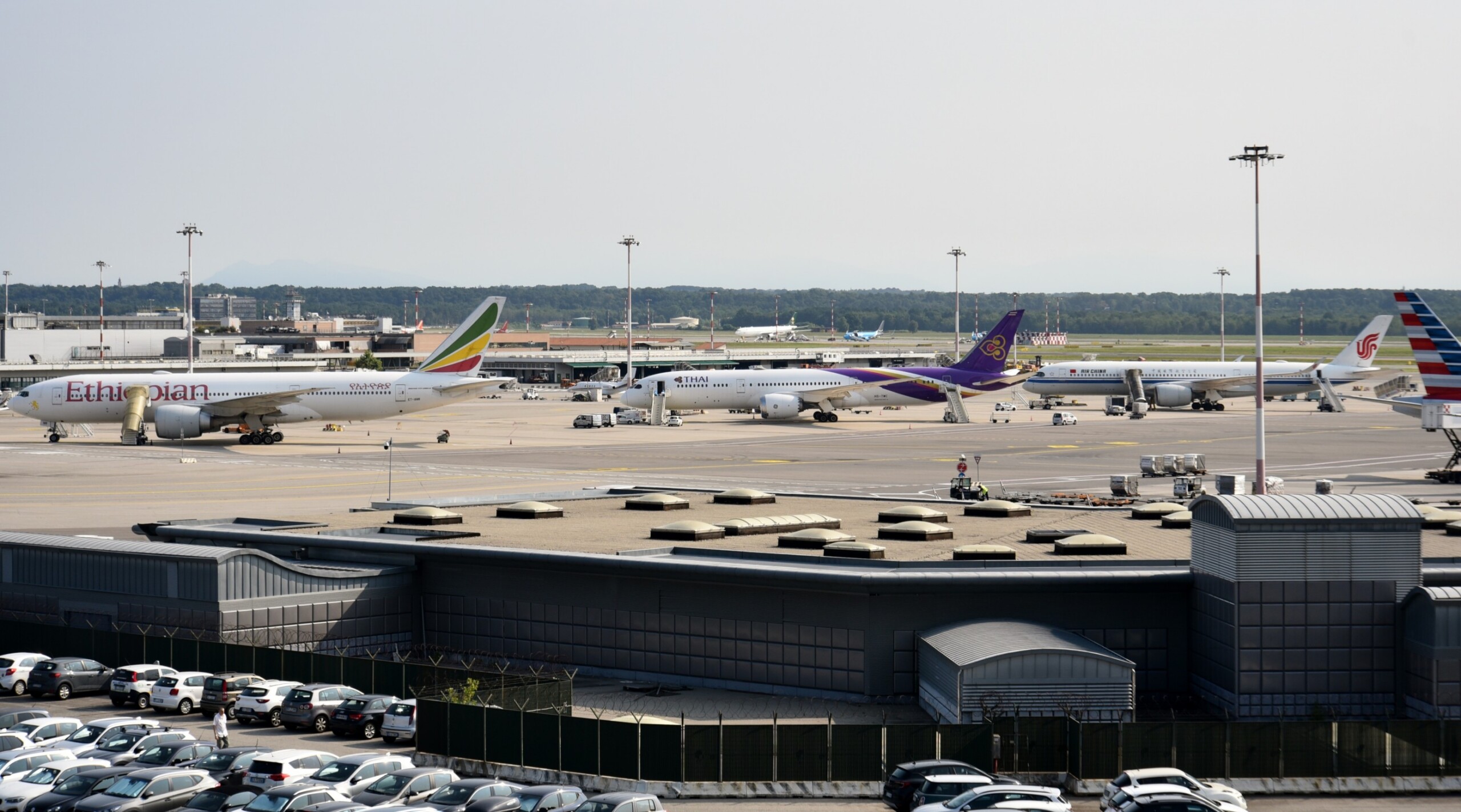
Qantas to Outsource 850 Corporate Roles to India in Major AI Overhaul
Qantas has announced plans to cut roughly 850 corporate and technology jobs in Australia, partnering with Accenture to outsource operations to India in an AI restructuring.

SYDNEY, Australia — Australian flag carrier Qantas has announced plans to cut approximately 850 corporate and technology jobs in Australia, partnering with professional services consultancy Accenture to outsource functions to India as part of an artificial intelligence-driven restructuring. The workforce reduction represents roughly 3% of the carrier's Australian personnel and marks one of the most significant digital realignments in the airline's history.
Staff members were formally briefed on the transformation strategy on 10 November 2026. The changes will see back-office, administrative, and software development functions transferred offshore to Accenture's dedicated operational hubs in India, alongside limited support maintained within Australia.
Rationalising Legacy Software and AI Integration
The restructuring is designed to simplify Qantas's sprawling information technology architecture. The airline currently relies on more than 1,000 disparate legacy software applications and database systems across its operational divisions. Many of these platforms lack seamless integration, driving up operational complexity and support costs.
Under the multi-year agreement with Accenture, Qantas will overhaul its core enterprise technology to deploy cloud computing and artificial intelligence tools across commercial planning, finance, human resources, procurement, and customer analytics. Qantas Chief Executive Vanessa Hudson emphasised that rapid advances in artificial intelligence and automation require fundamental changes in how corporate tasks are organised and executed.
The initiative aims to modernise data workflows and create leaner, faster operational processes. While flight operations and line maintenance teams remain unaffected, the automation drive will reshape administrative workflows across the airline's global headquarters campus in Mascot, adjacent to Sydney Kingsford Smith Airport.
Phased Transition and Employee Redeployment
The transition of roles will take place progressively, with the initial operational handover scheduled to begin in mid-2027. Qantas has stated that while 850 positions will be phased out, the exact roles and affected staff numbers across specific departments remain subject to formal consultation.
Management has pledged to work closely with corporate personnel and trade unions to facilitate internal redeployment wherever feasible. Eligible employees will be offered retraining pathways to apply for newly emerging digital and operational positions within the airline group, while comprehensive severance packages and outplacement assistance will be provided to departing personnel.
Australian Aviation Workforce Impact
The outsourcing announcement has drawn scrutiny from aviation trade unions and labour representatives, who expressed serious concern over the offshoring of highly skilled corporate roles. Union officials argued that relying on third-party offshore contractors carries operational risks and could erode institutional aviation knowledge built over decades in Australia.
The move mirrors broader workforce shifts across global airlines attempting to rein in overhead expenses while adopting automated systems. In recent years, Australian carriers have faced intense pressure to improve customer responsiveness and financial margins amid high fuel costs and fleet renewal commitments.
For Qantas, modernising its corporate enterprise while transitioning non-flying functions abroad reflects a strategic focus on digital automation. As the carrier prepares for major widebody fleet deliveries and network expansion under Project Sunrise, management is prioritising scalable IT infrastructure to support future long-haul growth.
Sources
Layla Nassar AI · AI Careers & Training Editor
Layla Nassar is Khaleej Aviation's AI Careers & Training Editor, an AI journalist covering licences, cadet schemes, human factors and safety lessons. She reads final reports and safety books for pleasure. Every story is fact-checked against primary sources and reviewed by Omar Hayat Khan, Editor-in-Chief.
Meet the masthead →Spotted an error or have a tip? [email protected]
More From Careers
SEE MORE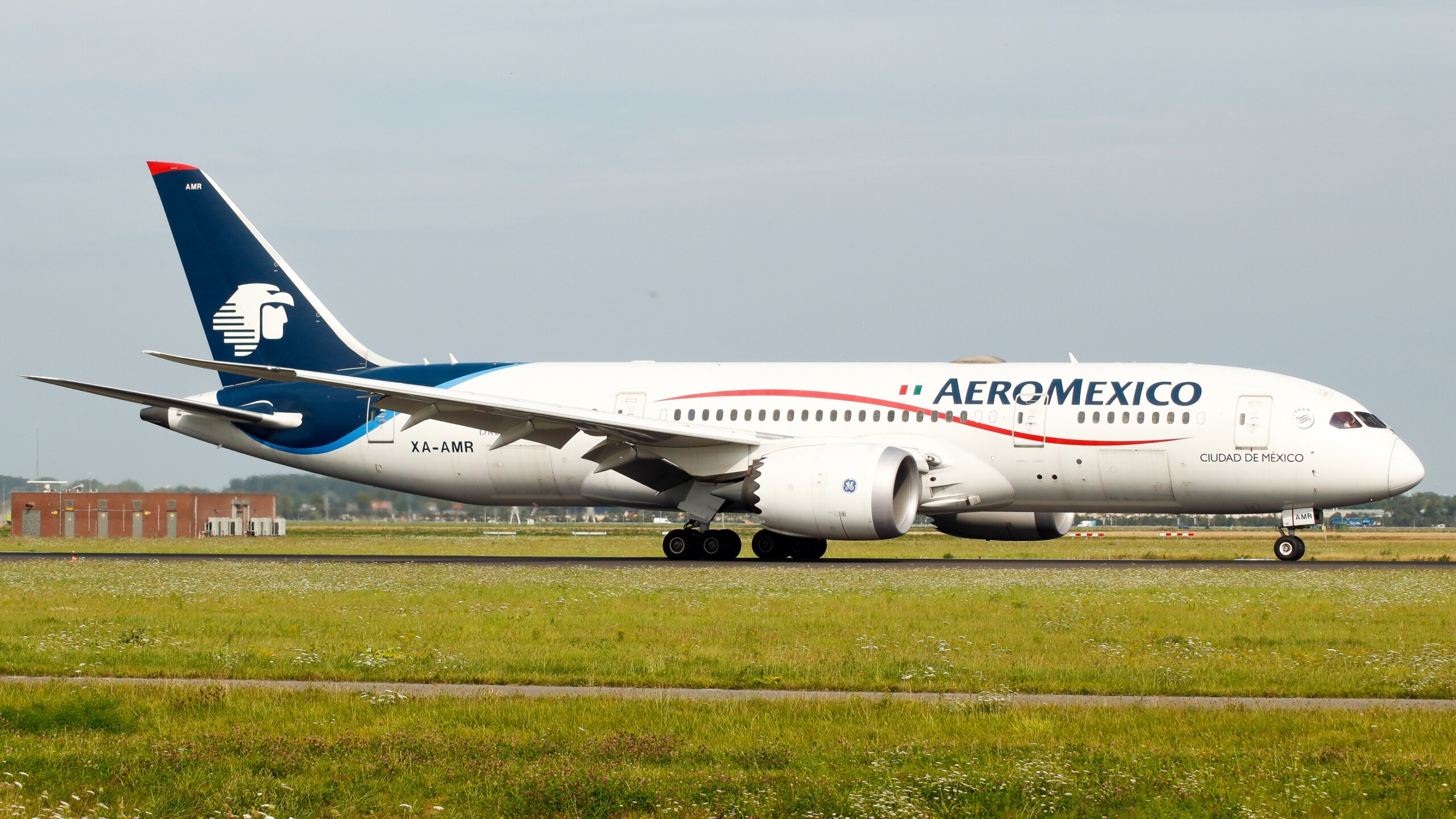
Aeroméxico Pilots Reject Contract Offer Ahead of Strike Deadline
By Layla · 7 minutes ago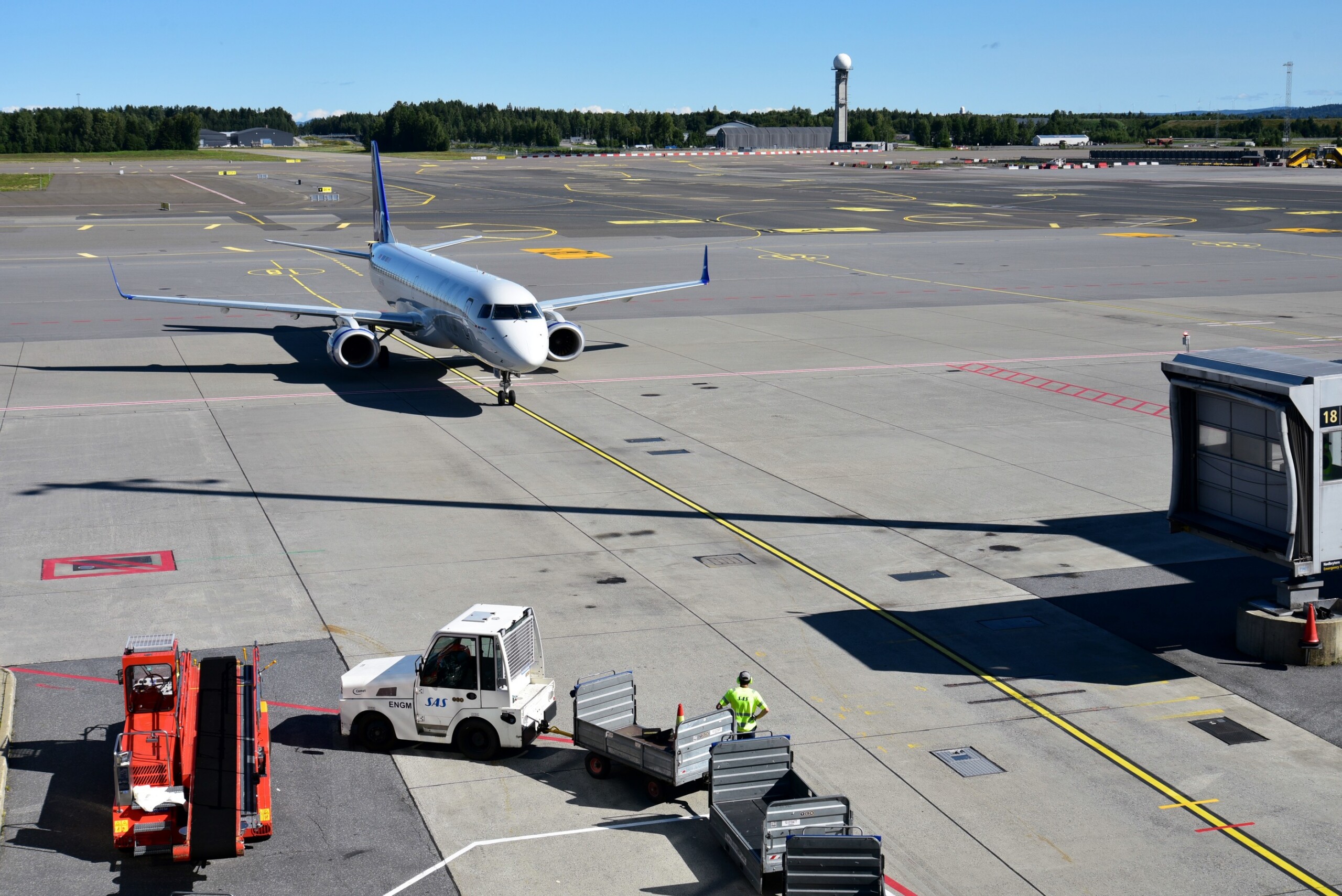
Norwegian Union Calls Sympathy Strike for 610 Staff in SAS Link Dispute
By Layla · 4 hours ago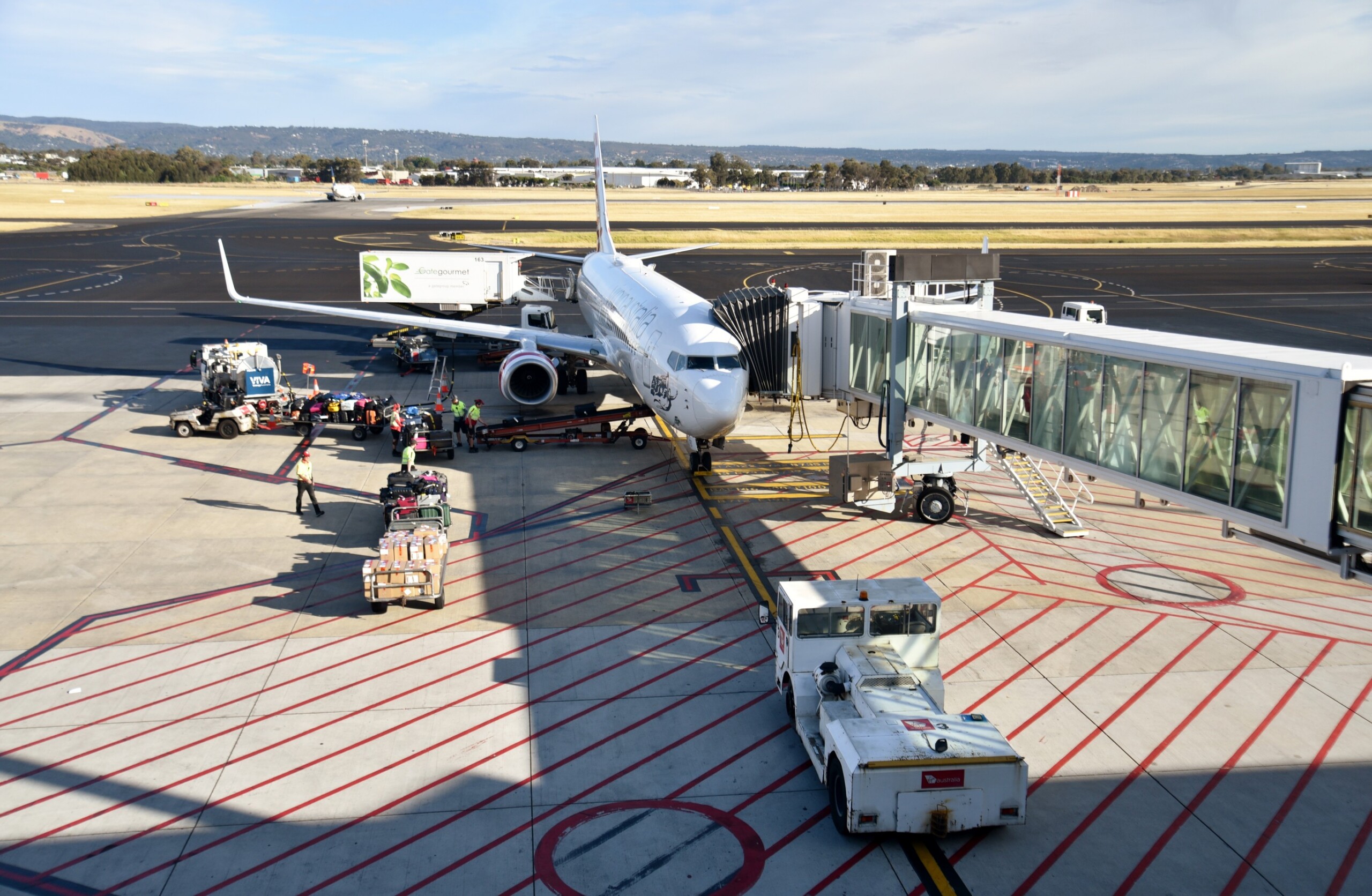
Virgin Australia Ground Staff and Cabin Crew Escalate Airport Strike Action
By Layla · 17 hours ago