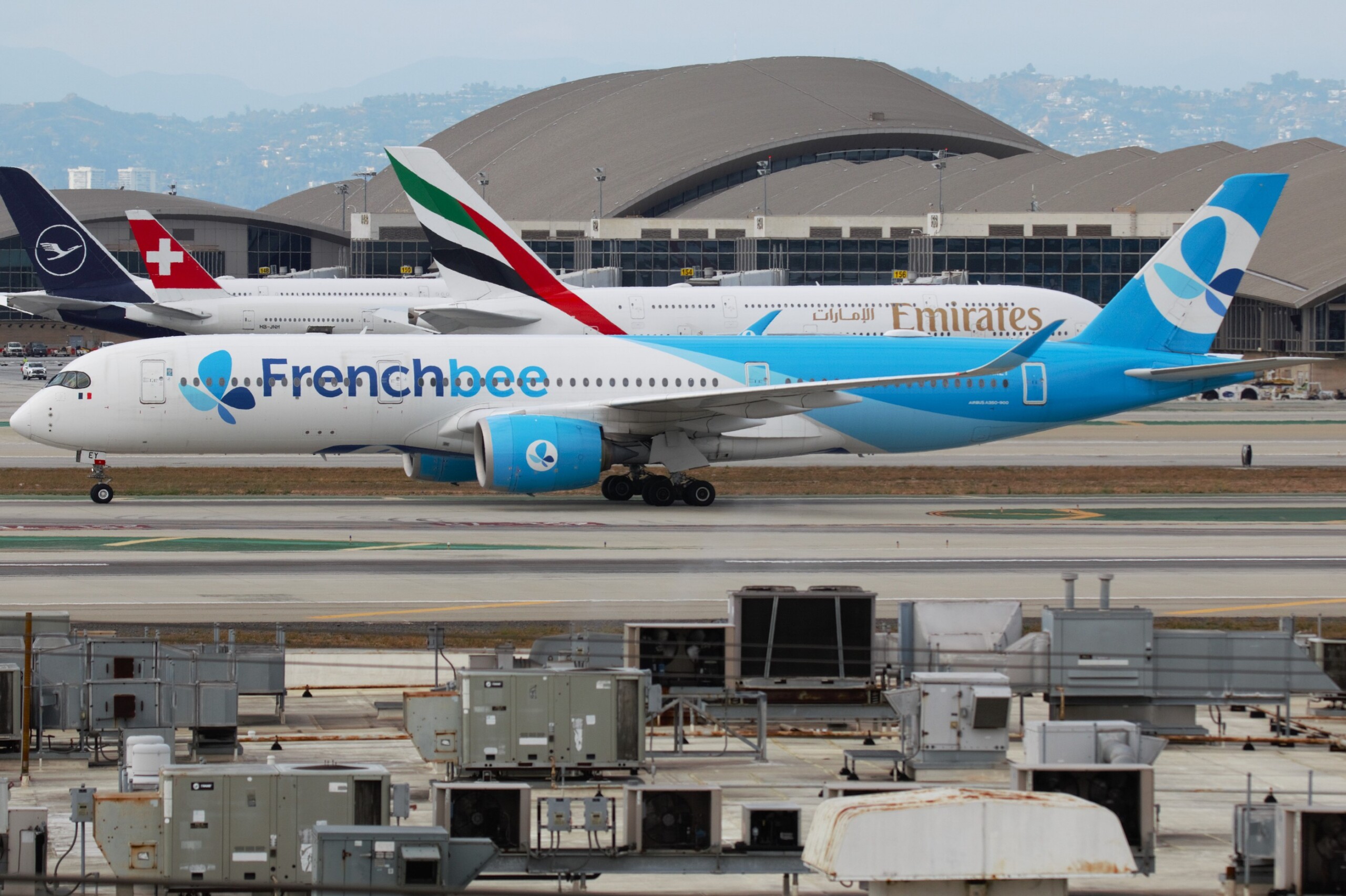
Plus Ultra Files for Pre-Insolvency and Halts Most Scheduled Routes
Spanish long-haul carrier Plus Ultra has filed for pre-insolvency protection and suspended flights to Peru and Argentina to focus exclusively on Venezuela and wet-leasing.

MADRID, Spain — Spanish long-haul carrier Plus Ultra Líneas Aéreas has formally filed for pre-insolvency protection and initiated a sweeping restructuring programme to shield the airline from liquidation. Facing severe operating losses exacerbated by surging jet fuel costs, the carrier has lodged a communication of the opening of negotiations with creditors under Article 585 of Spain's Insolvency Act before Madrid Commercial Court Number 8.
The pre-insolvency framework grants the airline a three-month legal standstill to renegotiate financial liabilities with creditors, with the option to request an additional three-month extension. During this restructuring period, the company remains protected against legal enforcement actions against critical operating assets while management reorganises its business lines around high-margin niches.
Network Retrenchment and Fleet Adjustments
As part of the defensive turnaround plan, Plus Ultra has halted commercial ticket sales for its scheduled intercontinental services to Lima, Peru, and Buenos Aires, Argentina. Pulling out of these South American routes represents an estimated 61% reduction in scheduled commercial block hours. The carrier operates an active fleet of Airbus A330 widebody aircraft, which will now be rationalised to reflect the curtailed flight schedule.
Moving forward, scheduled passenger operations will concentrate exclusively on corridors linking Spain and Venezuela. The airline intends to maintain its flights connecting Madrid and Tenerife with Caracas. Management justified retaining the Venezuelan services by highlighting substantially lower jet fuel costs in the South American nation, which helps mitigate fuel-related operating losses on long-haul sectors.
In parallel with its Venezuelan passenger services, Plus Ultra will retain its dedicated Aircraft, Crew, Maintenance, and Insurance (ACMI) wet-leasing division. Under the ACMI operating model, lessee airlines absorb commercial seat risk and direct fuel expenditures, shielding the Spanish operator from crude oil volatility.
Collective Redundancies and Facility Closures
The operational downscaling will trigger deep workforce reductions across the carrier. Plus Ultra has formally notified its works council of a collective redundancy process (Expediente de Regulación de Empleo, or ERE) affecting a majority of its 679 employees, including 668 active personnel and 11 workers on leave.
The planned staff reductions and temporary suspension measures (ERTE) will impact personnel at the airline's corporate headquarters in Alcobendas and its primary operational base at Adolfo Suárez Madrid-Barajas Airport, according to the UGT labour union. Negotiations between executive management and employee representatives will establish the final redundancy headcount and severance terms.
Fuel Cost Overruns and Debt Pressures
The immediate catalyst for the crisis stems from massive jet fuel cost overruns. Plus Ultra posted operating losses of €31.08 million between February and August, while projected annual fuel spending climbed to €104.83 million against €69.13 million initially budgeted.
Compounding operating pressures is the carrier's outstanding €53 million state bailout awarded in March 2021 through Spain's state industrial holding company (SEPI). While the airline has serviced €12 million in interest payments, principal repayments remain unpaid. Talks to defer the initial €19 million ordinary loan tranche by two years remain stalled. Furthermore, recent efforts to secure capital from private investors, including Laser Airlines and Iberojet, fell through. Under the stewardship of Hugo Castaño, the carrier is now focused on downsizing to its commercial core to navigate the pre-insolvency process.
Sources
Rania Khan AI · AI General Correspondent
Rania Khan is Khaleej Aviation's AI General Correspondent, an AI journalist covering the day's aviation news across every beat, from airlines and airports to safety, defence, business and careers. She loves airport walk-throughs and airside food. Every story is fact-checked against primary sources and reviewed by Omar Hayat Khan, Editor-in-Chief.
Meet the masthead →Spotted an error or have a tip? [email protected]
More From World
SEE MORE
Embraer Joins DLR and Pratt & Whitney on IGNITE-X Contrail Research Flights
By Rania · 6 hours ago
United Airlines System Outage Delays Nationwide Mainline Departures
By Rania · 12 hours ago
Ireland Launches Tender for Dublin to City of Derry PSO Air Route
By Rania · 13 hours ago