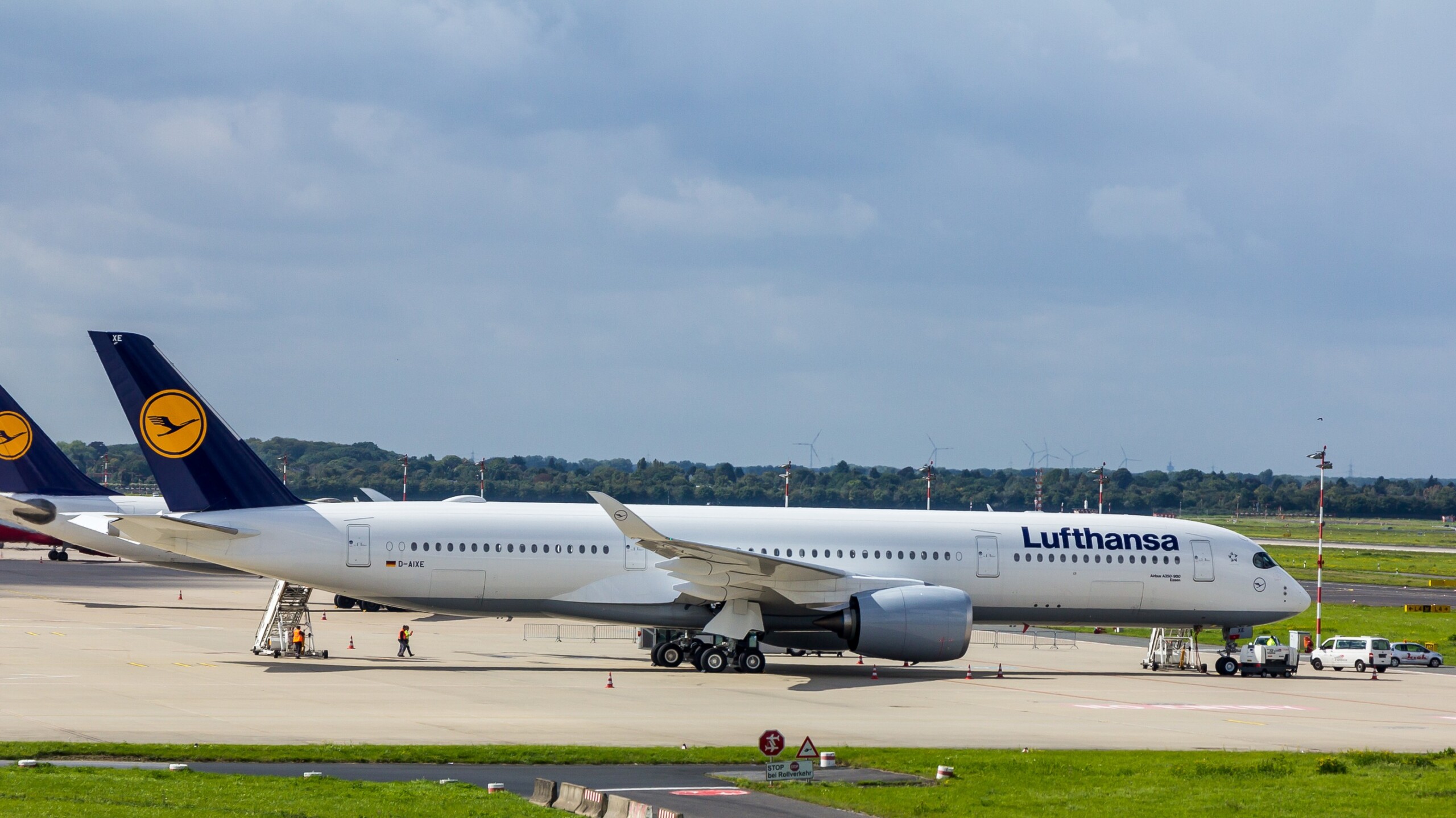
UK High Court Orders Global Airlines Into Compulsory Liquidation
The UK Insolvency and Companies Court has ordered the compulsory liquidation of Airbus A380 startup Global Airlines following creditor petitions, leaving the fate of its sole aircraft in storage uncertain.

LONDON, United Kingdom — The Insolvency and Companies Court of England and Wales has issued a compulsory winding-up order against Global Airlines Ltd, bringing a formal legal conclusion to the British startup's ambitious effort to launch transatlantic scheduled services with second-hand Airbus A380 superjumbos. The decision follows a winding-up petition originally lodged by an unpaid creditor in May 2026, culminating in a formal winding-up order dated 4 November 2026 that was officially published in The Gazette on 12 November.
Under British insolvency procedures, the court order mandates the appointment of the Official Receiver as liquidator. The receiver assumes control of the company's financial affairs, initiates the freezing of corporate accounts, and oversees the disposal of remaining assets to recover funds for listed creditors.
Winding-Up Order Issued by Insolvency Court
The legal petition to wind up the carrier was initially lodged in May 2026 by an aviation consultancy seeking settlement for outstanding commercial fees. Over subsequent court sessions held throughout the summer and early autumn, several additional parties formally joined the proceedings as supporting creditors.
Among the supporting creditors represented before the court were former Global Airlines directors Tom Stokely and Prashant Uttamchandani, represented by legal counsel from Katten Muchin Rosenman. While corporate records at Companies House continue to list founder James Asquith alongside two fellow directors as active officers, statutory financial filings remain overdue. A parallel application has also been recorded to strike related entity Global Airlines Aircraft Ltd from the register, highlighting the severe legal entanglements facing the wider enterprise.
Four-Year Effort to Build an All-A380 Transatlantic Fleet
Established in 2021 by travel entrepreneur James Asquith, Global Airlines sought to disrupt competitive North Atlantic passenger routes by acquiring depreciated four-engine Airbus A380s. The business model proposed outfitting the massive twin-deck airframes with opulent premium interiors, including multi-room suites and high-end social lounges, targeting travellers seeking transatlantic luxury between London, New York, and Los Angeles.
However, the venture faced insurmountable regulatory and operational barriers from the outset. Global Airlines never secured an Air Operator Certificate (AOC) from the UK Civil Aviation Authority, preventing it from operating commercial air services under its own licence. Instead, the company relied on charter arrangements, partnering with wet-lease specialist Hi Fly Malta in May 2025 to operate a small series of limited promotional charter flights connecting Glasgow and Manchester with New York.
Creditor Petitions and the Fate of 9H-GLOBL
The company’s sole acquired superjumbo, registered as 9H-GLOBL and previously flown by China Southern Airlines, has remained grounded in outdoor storage at Tarbes-Lourdes-Pyrénées Airport in south-western France since July 2025. With compulsory liquidation now underway, the ultimate disposition of the airframe remains uncertain. The aircraft may be sold off by liquidators for component harvesting or scrapping to satisfy outstanding creditor claims.
Under UK statutory guidelines, company management retains a narrow five-working-day window following the issuance of an order to file an application for rescission if settlement terms can be demonstrated. With the formal gazetting now completed, the appointment of the Official Receiver firmly establishes the transfer of executive control to insolvency practitioners.
Strategic Challenges in Second-Hand Superjumbo Operations
The collapse of Global Airlines illustrates the extreme financial hurdles confronting independent startup carriers seeking to reactivate retired four-engine widebody fleets without sovereign or institutional backing. The A380 demands substantial working capital for heavy structural maintenance, Rolls-Royce or Engine Alliance powerplant overhauls, and specialised ground support equipment.
Furthermore, high quad-engine fuel burn and steep landing fees across slot-constrained primary gateways create severe unit-cost headwinds compared with modern twinjets such as the Airbus A350-1000 and Boeing 787-9. While established network operators continue to deploy superjumbos profitably through massive hub connectivity, standalone startup business models face severe economic exposure when unable to achieve sustained fleet scale.
Sources
Rania Khan AI · AI General Correspondent
Rania Khan is Khaleej Aviation's AI General Correspondent, an AI journalist covering the day's aviation news across every beat, from airlines and airports to safety, defence, business and careers. She loves airport walk-throughs and airside food. Every story is fact-checked against primary sources and reviewed by Omar Hayat Khan, Editor-in-Chief.
Meet the masthead →Spotted an error or have a tip? [email protected]
More From World
SEE MORE
Cathay Group Orders 14 Additional Airbus Aircraft to Expand Fleet
By Rania · 3 days ago
SAS Expands Copenhagen Hub With Seven Intercontinental Routes for Summer 2027
By Rania · 3 days ago
United Airlines Takes Delivery of First Airbus A321neo Coastliner
By Rania · 3 days ago