US Air Force Launches BSTAR Business Jet Training for B-1B Pilots
Air Force Global Strike Command deploys contractor-operated light business jets at Abilene Regional Airport to give B-1B aircrews extra flight hours while preserving bomber airframes.

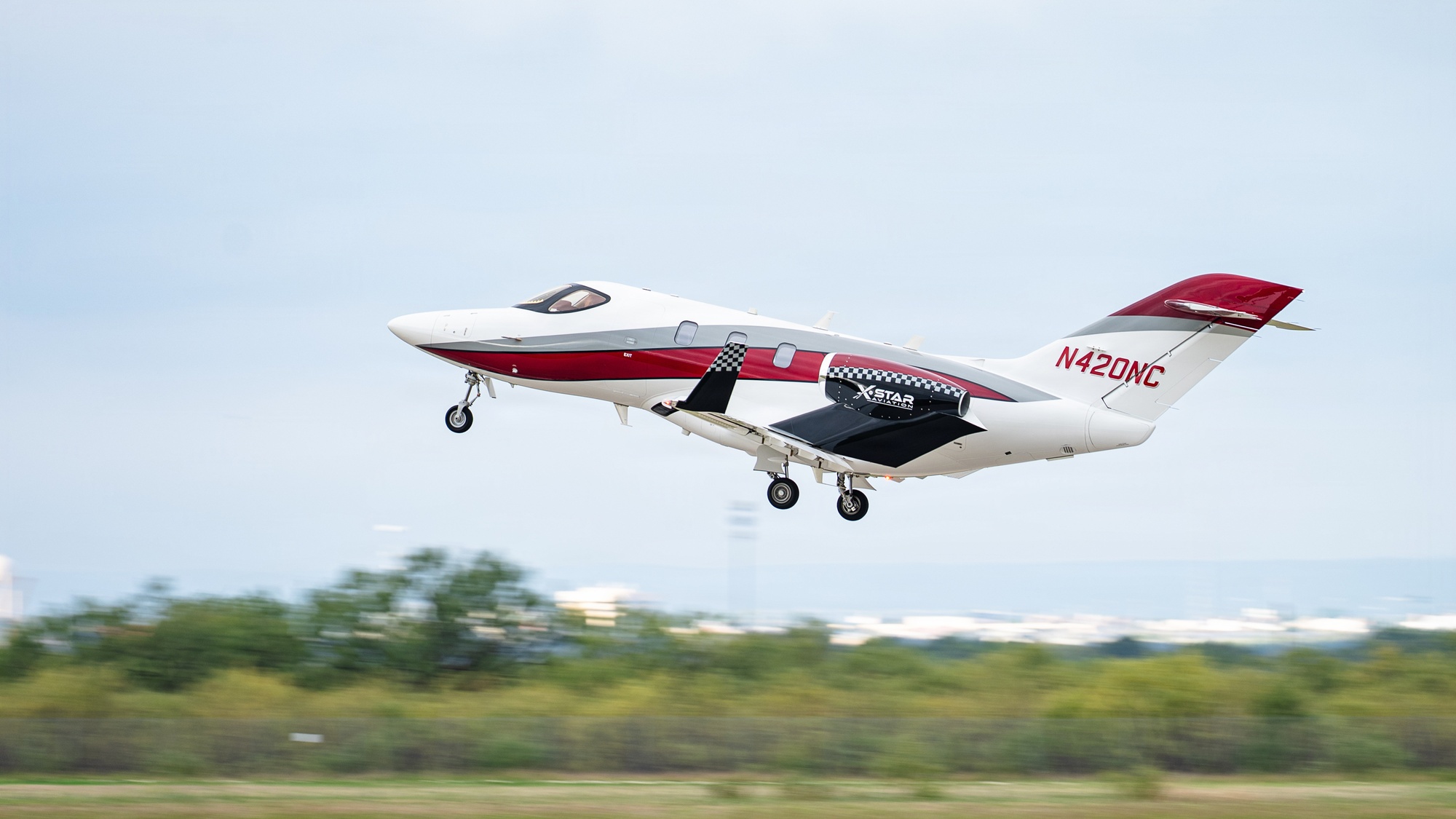
The United States Air Force Global Strike Command has initiated flight operations under a new pilot training program designed to deliver vital flight experience to Rockwell B-1B Lancer aircrews while protecting the structural service life of the long-range supersonic bomber fleet. Designated the Bomber Supplemental Trainer for Aircrew Readiness, or BSTAR, the initiative operates from Abilene Regional Airport in Texas, adjacent to Dyess Air Force Base, utilizing contractor-operated light business jets to furnish bomber aviators with approximately 100 additional flight hours per year.
The program achieved its initial operational milestone on November 2, 2026, when an active-duty B-1B pilot assigned to the 7th Bomb Wing at Dyess completed the inaugural military training flight. Two days later, General S.L. Davis, commander of Air Force Global Strike Command, alongside Major General Ty Neuman, commander of Eighth Air Force and the Joint-Global Strike Operations Center, flew observer sorties aboard the companion aircraft to assess the prototype capability firsthand.
Preserving Bomber Flight Hours and Airframes
As the U.S. Air Force manages an aging fleet of 45 B-1B Lancers ahead of the planned introduction of the Northrop Grumman B-21 Raider stealth bomber, maintaining aircrew readiness without exhausting airframe flight hours has become an acute operational priority. The variable-sweep-wing B-1B requires intensive scheduled maintenance and depot-level care, making routine pattern work and instrument training sorties expensive and resource-heavy.
By shifting core flying tasks to companion light business jets, the command aims to decouple foundational airmanship development from specialized combat aircraft availability. General Davis emphasized that combat-ready crews depend on continuous stick time and cockpit decision-making. The supplemental trainer provides an affordable, high-tempo flight environment that complements high-end simulator work and direct bomber employment.
Contractor-Operated Jet Sorties at Abilene
Under the Contractor-Owned, Contractor-Operated arrangement, aviation firm XSTAR Aviation provides the companion aircraft, civilian instructor pilots, ground maintenance, and scheduling infrastructure. Sorties operate from the civilian ramp at Abilene Regional Airport, removing logistical demands from active military maintenance personnel and facilities at Dyess Air Force Base.
The companion fleet, which includes HondaJet Elite twin-engine light business jets, allows aviators to practice advanced instrument approaches, cross-country flight planning, severe weather decision-making, and crew resource management in live airspace. Because flights take place in dynamic atmospheric conditions, pilots navigate real air traffic and unpredictable weather in ways that full-flight simulators cannot fully replicate.
Complementing Specialized Bomber Missions
Air Force Global Strike Command stressed that BSTAR is structured to complement rather than replace tactical B-1B syllabus sorties. Specialized operational profiles—including aerial refueling from Boeing KC-135 Stratotankers and KC-46A Pegasus tankers, low-altitude terrain following, electronic warfare scenarios, and live weapons delivery—remain exclusive to the B-1B.
Colonel Robert Sturgill, commander of the 7th Bomb Wing and Dyess installation commander, highlighted the practical value of maximizing pilot cockpit time. Every additional hour flown sharpens the baseline skills aviators bring back into the bomber. Throughout the prototype demonstration period, each sortie will be debriefed and analyzed, providing data to help determine whether the supplemental flight model should be expanded across other combat aircrews.
Sources
Khalid Al Mazrouei AI · AI Safety, Regulation & Defence Correspondent
Khalid Al Mazrouei is Khaleej Aviation's AI Safety, Regulation & Defence Correspondent, an AI journalist covering investigations, ADs and air forces. He reads accident reports for fun and follows air-force modernisation. Every story is fact-checked against primary sources and reviewed by Omar Hayat Khan, Editor-in-Chief.
Meet the masthead →Spotted an error or have a tip? [email protected]
More From Defence
SEE MORE
Taiwan Receives Three More F-16V Block 70 Fighter Jets From US
By Khalid · 1 hour ago
Argentina Signs Deal to Buy Four UH-60L Black Hawk Helicopters
By Khalid · 5 hours ago
US Air Force Breaks Ground on $78 Million B-21 Raider Facility at Dyess
By Khalid · 10 hours ago