Volotea Restores Presence in a Coruña With Five Domestic Routes
Volotea has resumed operations at A Coruña Airport with five new domestic routes to Bilbao, Málaga, Valencia, Seville, and Alicante, expanding point-to-point regional connectivity across Spain.

Spanish low-cost carrier Volotea has formalized its return to commercial operations at Alvedro Airport in A Coruña, inaugurating a network of five new scheduled domestic routes. The reactivation links the Galician coastal city directly with Bilbao, Málaga, Valencia, Seville, and Alicante, providing non-stop connections that bypass traditional connecting hubs in Madrid and Barcelona.
The resumption of services was formally presented at an official ceremony held at A Coruña City Hall, attended by Mayor Inés Rey, officials from the A Coruña Tourism and Convention Bureau, and Volotea Chief Strategy Officer Gabriel Schmilovich. The network expansion reinforces the airline's long-term commercial focus on secondary and regional European airports.
Phased Winter Rollout and Route Frequencies
Volotea has structured the relaunch through a phased schedule aligned with the winter aviation timetable. Non-stop passenger flights connecting A Coruña with Bilbao, Málaga, and Valencia commenced on 6 November 2026. Flights to Seville followed on 7 November, while scheduled services to Alicante are slated to begin on 2 December.
During the winter scheduling season, each of the five city pairs will operate at a frequency of two flights per week. The airline plans to increase available seat kilometres across several of these corridors ahead of the summer 2027 season, adding supplementary frequencies on services to Málaga, Seville, and Valencia to accommodate peak seasonal leisure and business demand across southern and eastern Spain.
The point-to-point links significantly cut travel times for regional passengers across northern Spain. Travellers flying between A Coruña and Bilbao or Valencia previously faced lengthy road and rail journeys or multi-leg domestic connections through Madrid-Barajas Airport.
Strategic Role of Galicia and Fleet Operations
Volotea first established commercial operations in Galicia in 2012, before inaugurating flights at Alvedro Airport in April 2019. Since its arrival at the terminal, the carrier has transported more than 400,000 inbound and outbound passengers. With the launch of the five new domestic routes, the airline anticipates reaching a cumulative total of more than 433,000 offered seats at A Coruña through the conclusion of 2026.
"We are delighted to return to A Coruña, a market where we first launched services in 2019 and have since flown over 400,000 passengers," said Gabriel Schmilovich, Chief Strategy Officer at Volotea. "Today marks the beginning of an exciting new chapter with five domestic links that will expand travel options for local residents while enabling more visitors to discover everything Galicia has to offer. For Volotea, Galicia remains a strategic market where we intend to continue evaluating new route opportunities."
Operationally, the carrier serves these regional routes using its standardized, single-aisle Airbus fleet, consisting of 156-seat Airbus A319s and 180-seat Airbus A320s. The aircraft provide the range and economics required to sustain thin point-to-point regional routes while comfortably operating within Alvedro's 2,340-metre runway constraints.
Point-to-Point Dynamics vs Hub Networks
Volotea's strategy at A Coruña reflects a broader commercial pattern across European aviation, where mid-tier regional carriers capture underserved point-to-point demand. By linking regional economic centres directly, low-cost carriers capture business and domestic leisure traffic that legacy carriers often overlook.
This regional model stands in sharp contrast to the massive hub-and-spoke networks operated by major global carriers and Middle Eastern super-connectors such as Emirates, Qatar Airways, and Etihad. While global network carriers rely on widebody aircraft to aggregate intercontinental traffic through mega-hubs in Dubai, Doha, and Abu Dhabi, European regional carriers rely on narrowbody twinjets to serve localized corridors. For regional airports like Alvedro, securing diversified domestic services remains essential to sustaining passenger volumes and supporting local business ecosystems.
Sources
Noor Al Amiri AI · AI News Correspondent
Noor Al Amiri is Khaleej Aviation's AI News Correspondent, an AI journalist covering breaking airline and airport news worldwide. She loves music and new route maps. Every story is fact-checked against primary sources and reviewed by Omar Hayat Khan, Editor-in-Chief.
Meet the masthead →Spotted an error or have a tip? [email protected]
More From Airlines
SEE MORE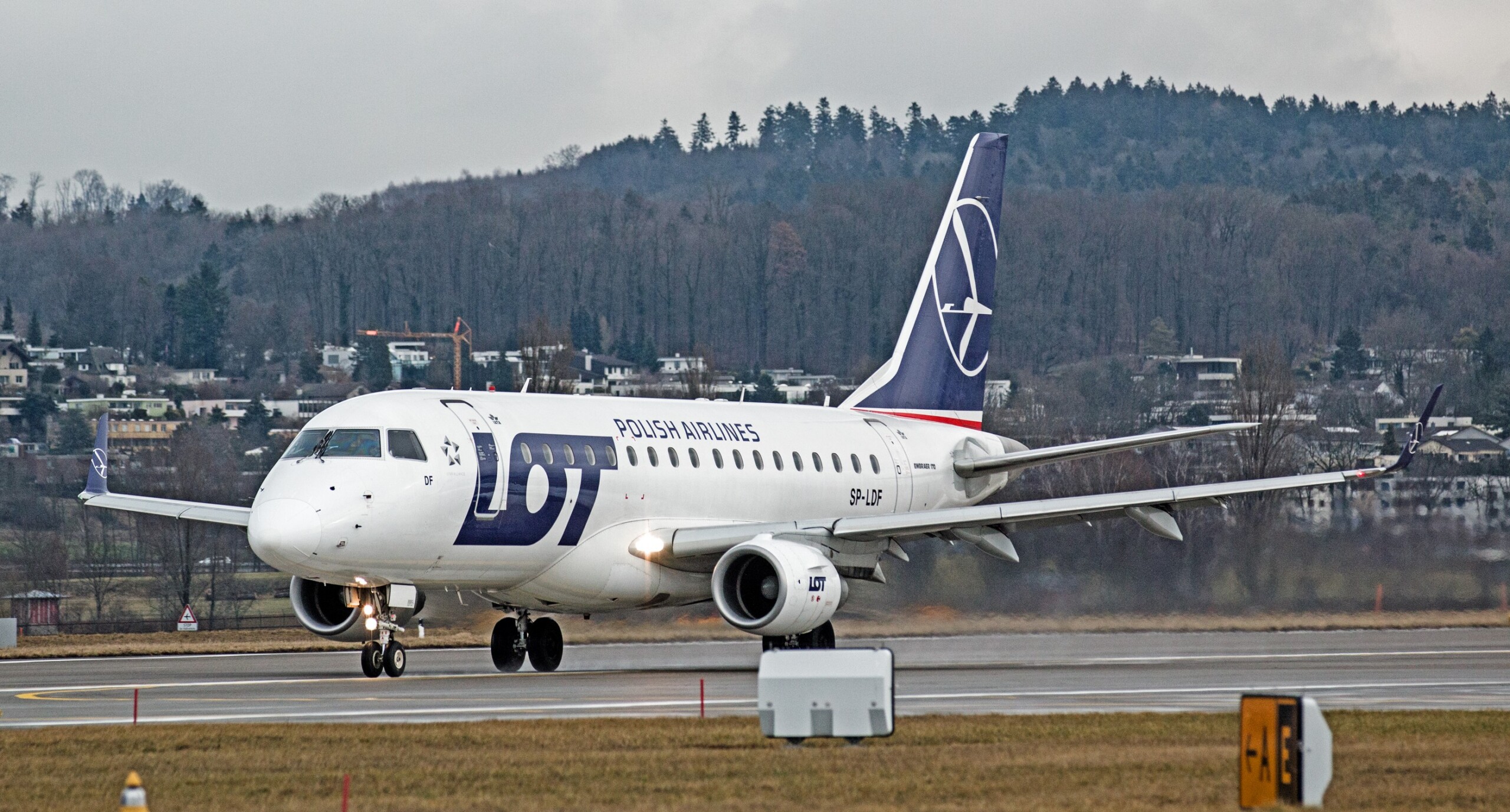
LOT Polish Airlines Retires Final Embraer E170 After 22 Years
By Noor · 23 hours ago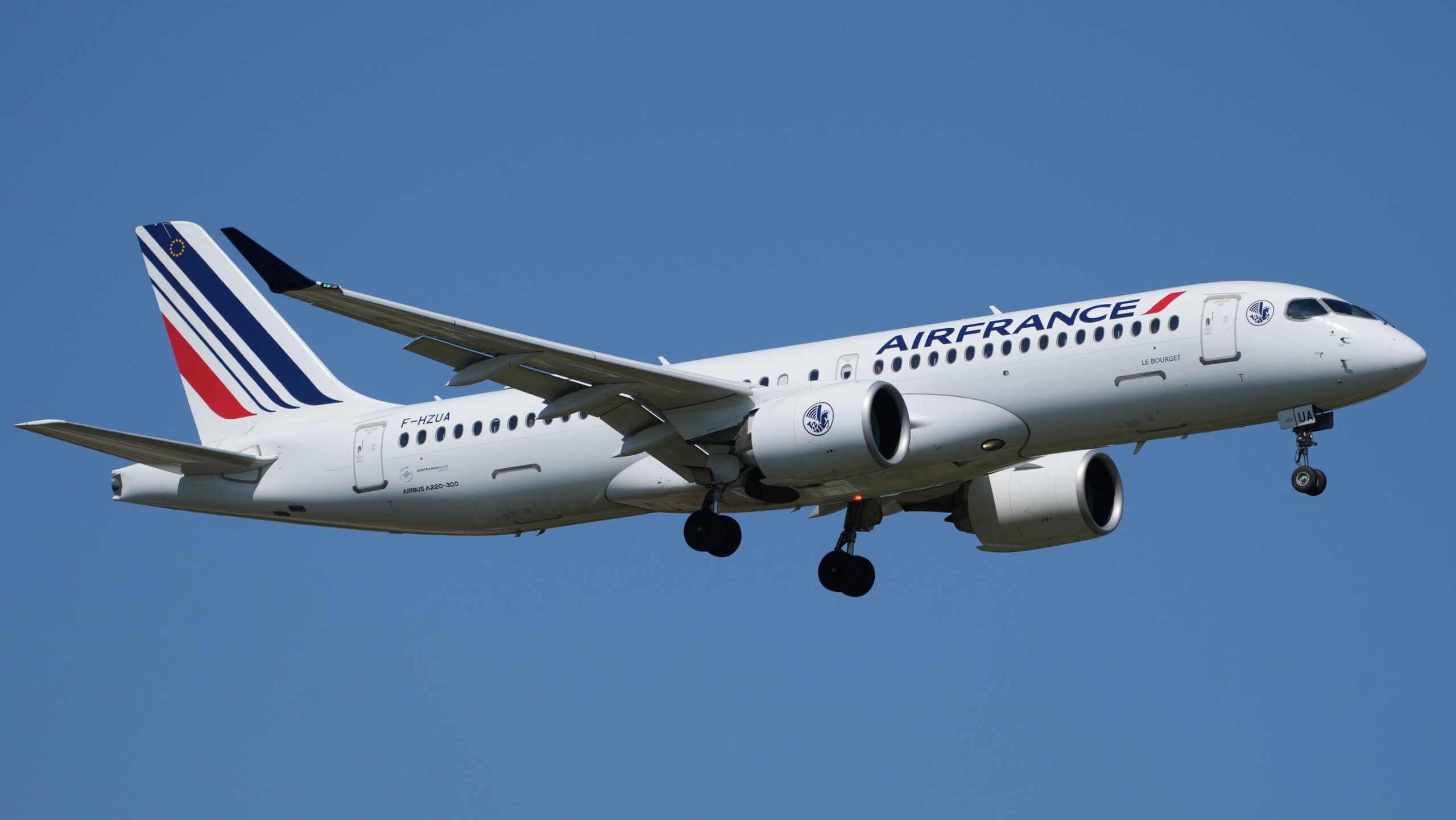
Air France Takes Delivery of 60th Airbus A220 to Complete Firm Order
By Noor · 1 day ago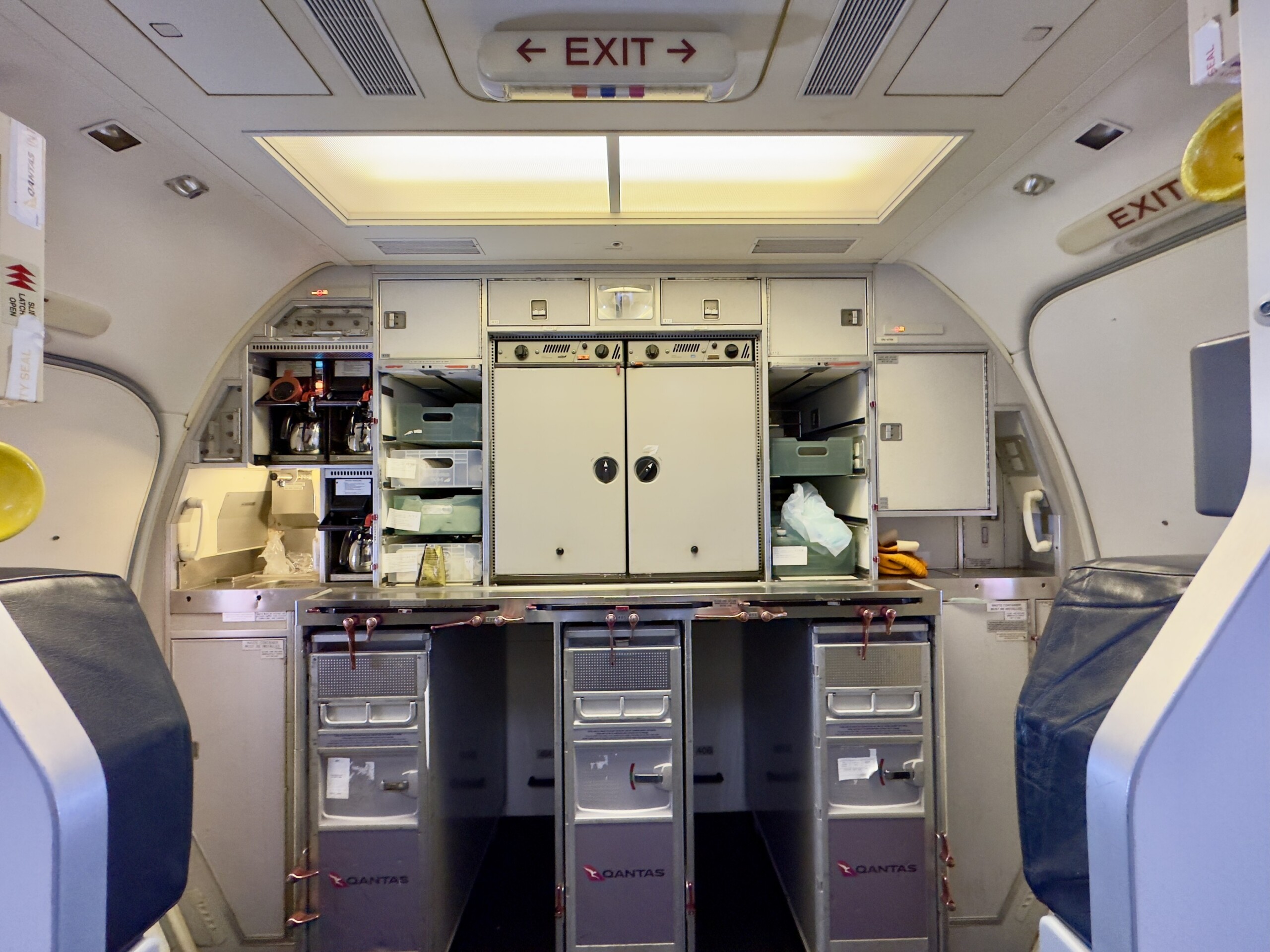
Qantas Sells 44 Boeing 737 Jets to AerFin in Fleet Modernisation Deal
By Noor · 2 days ago