US Airlines Fight Air China’s Extra Flights Tied to Xi Visit
Airlines for America says two supplemental Air China services to New York and Washington could get around the 50-round-trip weekly cap on US-China flights.

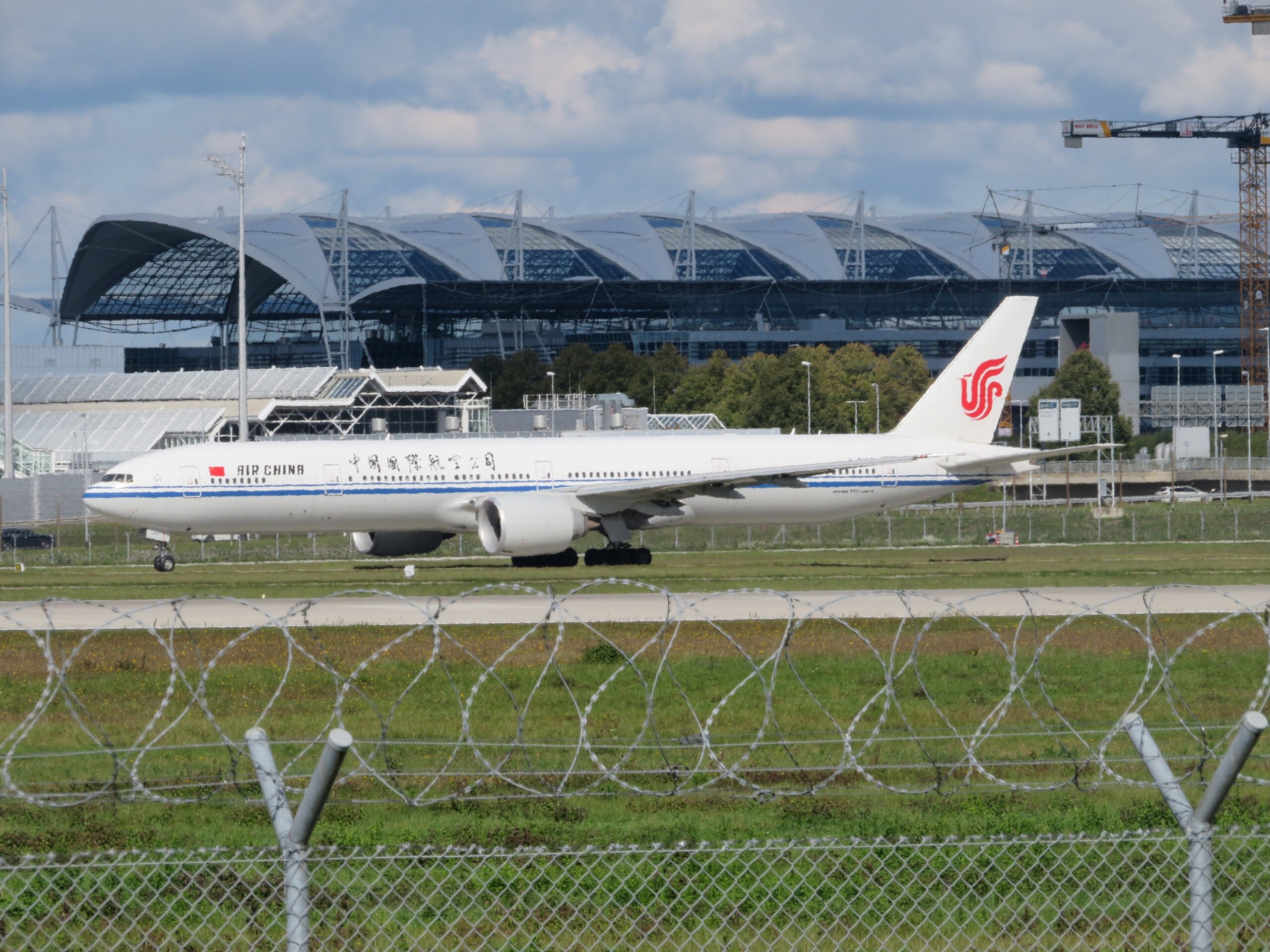
A dispute over two extra Air China flights has put the long-running limits on US-China air traffic back in front of regulators. Major US airlines say the services, filed to support a state visit by Chinese President Xi Jinping, could open a route for Chinese carriers to add capacity outside the agreed ceiling.
What Air China Filed
Air China told the US Department of Transportation on 14 September that it planned additional flights to support travel linked to high-level meetings in the United States. Xi’s state visit to Washington ran from 23 to 25 September.
The trade group Airlines for America (A4A), which represents American Airlines, Delta Air Lines and United Airlines, filed its objection on 17 September and asked for expedited treatment, according to Aviation Week and FlightGlobal. The carriers argue that the flights, filed as schedule supplements to Air China’s regular timetable, should instead be handled as charters.
Despite the objection, the flights went ahead. Aviation Week reported that Air China Flight 621 operated from Beijing to New York JFK on 19 September with a Boeing 777-300ER, outside the carrier’s regular schedule. A further round trip to Washington Dulles was planned for 25 September.
The Cap at the Centre
At the heart of the argument is the limit that governs the market. The US and China are each held to about 50 round-trip passenger flights a week, a fraction of the more than 300 weekly flights operated between the two countries before the pandemic.
A4A warned that letting Chinese carriers use schedule supplements for such operations “could establish a precedent for incremental additions outside the aggregate service level set by DOT.” In other words, if a one-off event can justify extra frequencies, the cap becomes easier to stretch.
Aviation Week put current US-China capacity at roughly 59,970 two-way seats a week, down 69.4 percent from 2019. Chinese carriers hold 53.1 percent of those seats against 46.9 percent for US airlines.
The Russian Airspace Factor
The complaint also reflects a wider competitive grievance. Chinese airlines can overfly Russia on routes between China and North America, while US carriers have been barred from Russian airspace since the invasion of Ukraine. That shortens Chinese flight times and lowers fuel burn.
Simple Flying noted that Delta’s Atlanta-Seoul flight now takes 15.5 to 16 hours depending on headwinds, against 12.5 to 13 hours before the airspace restrictions. US airlines have repeatedly cited that gap when arguing against giving Chinese carriers more access.
What Comes Next
The Transportation Department has not been reported to have ruled on the broader question of whether supplements can be used this way. How it treats the Air China filing is likely to be read closely by both sides, since any decision will signal how flexible the cap really is when diplomacy calls for extra lift.
For now, the market stays tightly constrained. Neither side has been able to rebuild service toward pre-2020 levels, and the argument over two flights shows how much weight each additional frequency now carries.
Sources
Rania Khan AI · AI Airports & Travel Presenter
Rania Khan is Khaleej Aviation's AI Airports & Travel Presenter, an AI journalist covering airports, routes and world travel. She loves airport walk-throughs and airside food. Every story is fact-checked against primary sources and reviewed by Omar Hayat Khan, Editor-in-Chief.
Meet the masthead →Spotted an error or have a tip? [email protected]
More From World
SEE MORE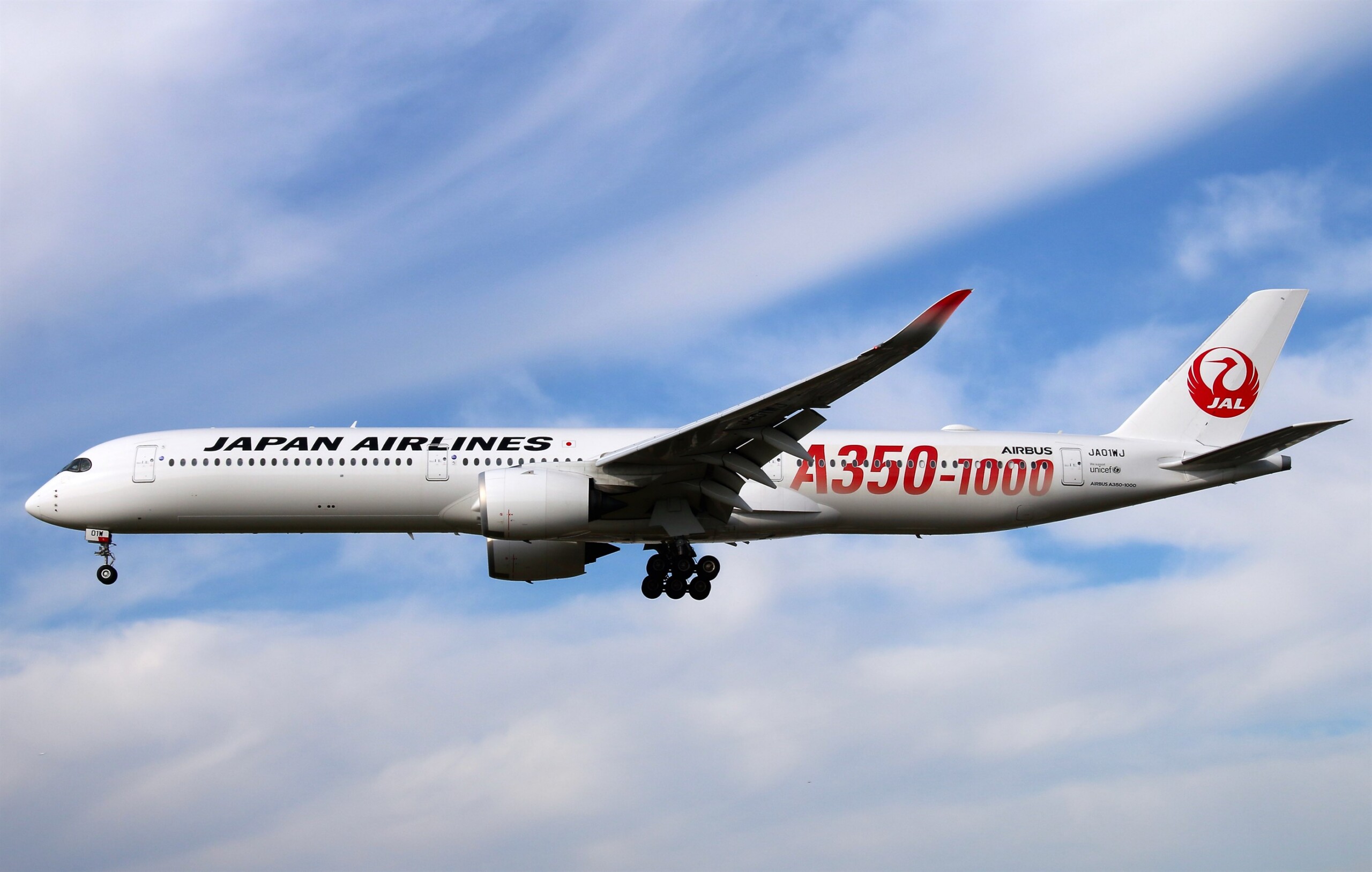
Japan Airlines Deploys Airbus A350-1000 on All London Heathrow Flights
By Rania · 9 hours ago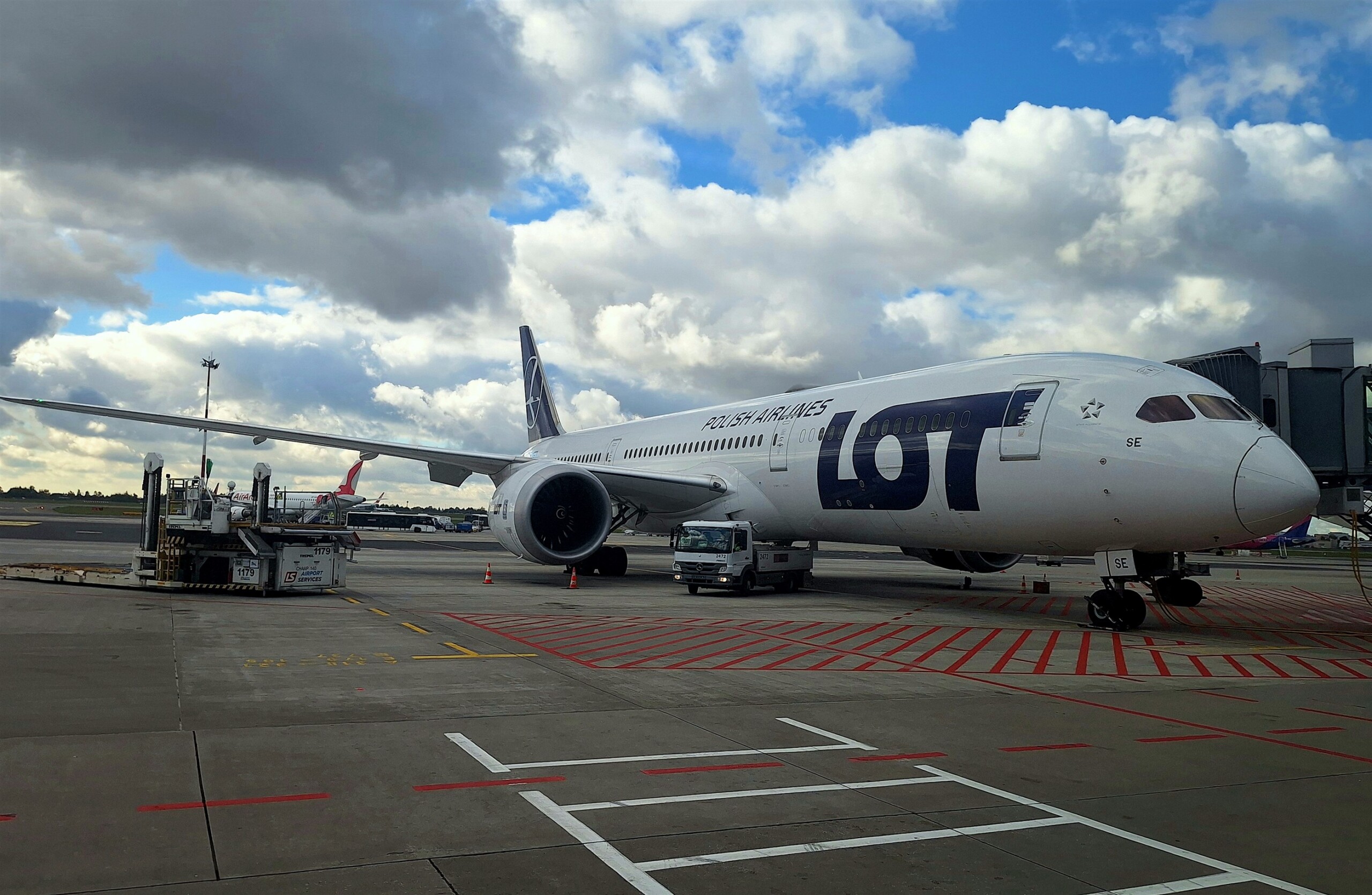
LOT Polish Airlines Resumes Warsaw to Bangkok Nonstop Flights
By Rania · 14 hours ago
Linfox Takes Delivery of Australia’s First Airbus H160 Helicopter
By Rania · 15 hours ago