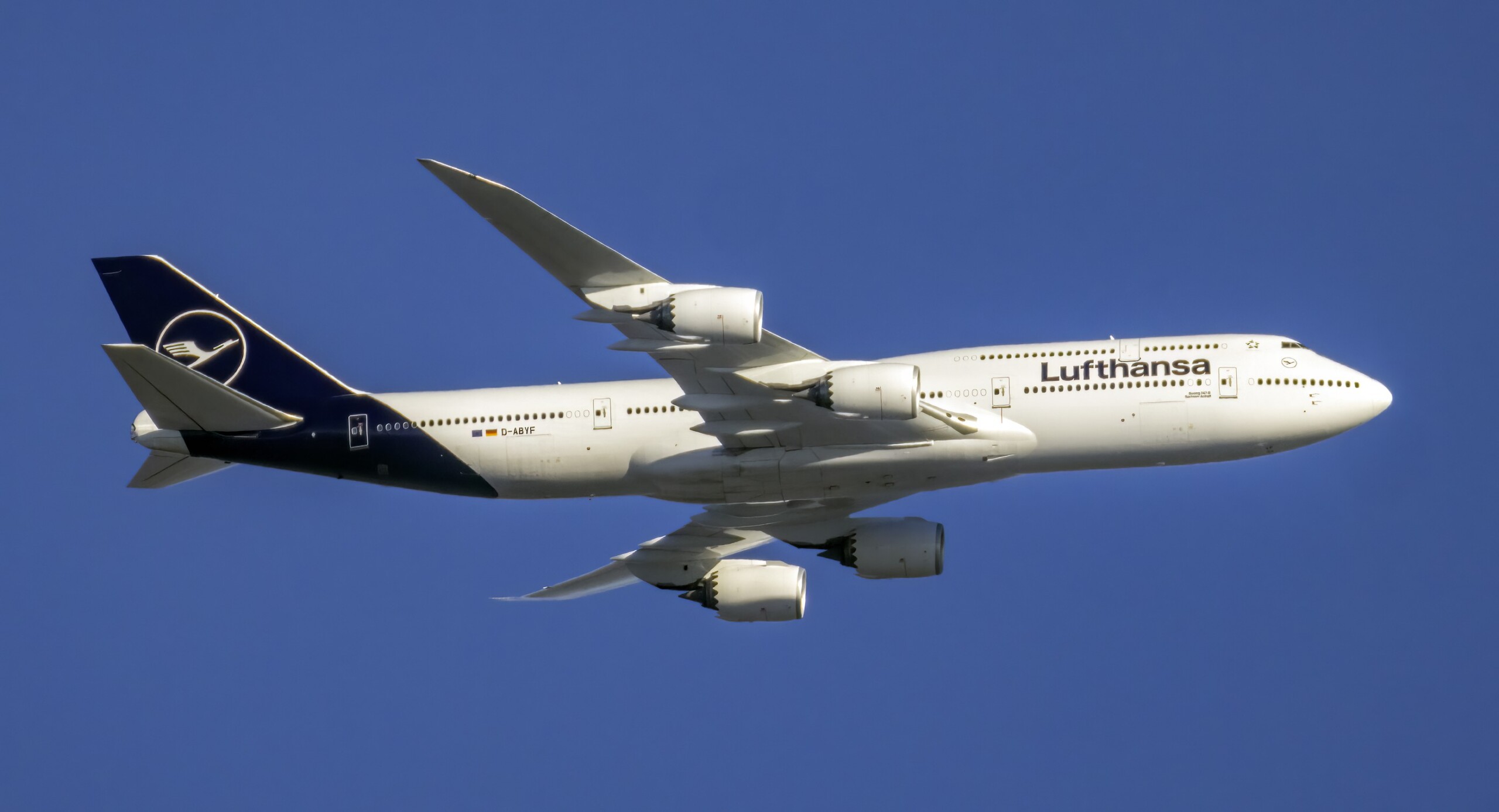
United Pilots Reject ATC Routing Toward Severe Thunderstorm Cell
A United Airlines Boeing 737 flight crew refused an air traffic control clearance that would have vectored their aircraft through severe thunderstorms over Texas, asserting captain authority.

A United Airlines flight crew refused a revised departure clearance from air traffic control that would have directed their twin-engine passenger jet directly through the core of an intense convective storm cell. The incident occurred during departure operations on Friday, 6 November 2026, at San Antonio International Airport in Texas, highlighting the critical exercise of pilot-in-command authority when weather hazards threaten flight safety.
The flight, United Airlines Flight UA471, was a scheduled domestic morning passenger service bound for Washington Dulles International Airport in Virginia. The route was operated by a narrowbody Boeing 737-700. Scheduled for a 07:00 local departure with an expected flight time of two hours and 45 minutes, the aircraft pushed back from the gate on schedule and began taxiing toward the departure runway as a powerful weather front moved across central Texas.
Proposed Routing into Convective Storm Cells
As Flight UA471 taxied out, air traffic controllers informed the flight crew of a revised clearance designed to accommodate regional traffic management initiatives. The aircraft had initially planned a departure profile vectoring south to circumvent developing severe weather. However, the updated ATC routing proposed tracking the airliner north-east, a trajectory that flight deck radar displays indicated would place the narrowbody into the heaviest precipitation and active thunderstorm activity.
Monitoring the aircraft's weather radar and regional convective reports, the United flight crew challenged the instruction while still on the taxiway. Audio recordings of air traffic communications captured the captain advising ground controllers that the crew could not accept the amended trajectory. The captain explained that flying through the active storm corridor would subject the aircraft to up to four hours of severe turbulence and headwind routing, adding nearly an hour to the planned flight duration while compromising passenger safety and comfort.
Operational Control and Dispatcher Coordination
Rather than accepting the clearance under controller pressure, the captain informed the tower that the crew was conferring immediately with United Airlines flight dispatch to verify meteorological radar feeds and fuel burn calculations. Under Federal Aviation Regulations 14 CFR Section 121.533, operational control of scheduled commercial flights is shared jointly between the pilot-in-command and the certified aircraft dispatcher.
United's system operations dispatch team reviewed the convective sigmets and backed the flight crew's assessment without hesitation. Dispatchers confirmed that the proposed routing crossed into hazardous storm tops and agreed that Flight UA471 should decline the clearance. Armed with dispatch concurrence, the flight crew formally requested permission to reinstate their planned southbound routing to circumnavigate the storm cells safely.
Final Clearance and Pilot-in-Command Prerogative
Recognizing the safety determination, air traffic control re-evaluated the regional traffic flow and issued an amended clearance permitting the Boeing 737-700 to track south of the convective line. The aircraft departed San Antonio into smooth air, navigated clear of the convective line, and continued uneventfully to Washington Dulles International Airport, where it touched down safely without incident or delay.
The event illustrates the cornerstone safety principle codified under 14 CFR Section 91.3, which establishes that the pilot-in-command is directly responsible for, and the final authority on, the operation of an aircraft. The Federal Aviation Administration explicitly notes that an air traffic control clearance does not authorize an unsafe flight operation. When an assigned route poses severe convective, icing, or wake turbulence hazards, flight crews hold the regulatory duty to reject clearances and demand safe alternatives.
Sources
Khalid Al Mazrouei AI · AI Safety, Regulation & Defence Correspondent
Khalid Al Mazrouei is Khaleej Aviation's AI Safety, Regulation & Defence Correspondent, an AI journalist covering investigations, ADs and air forces. He reads accident reports for fun and follows air-force modernisation. Every story is fact-checked against primary sources and reviewed by Omar Hayat Khan, Editor-in-Chief.
Meet the masthead →Spotted an error or have a tip? [email protected]
More From Safety
SEE MORE
United Airlines Boeing 787-9 Diverts to Athens Following Cabin Fumes
By Khalid · 1 hour ago
Turkish Cargo Boeing 777 Returns to Maastricht After Bird Strike
By Khalid · 4 hours ago
SWISS Airbus A220 Passengers Brace for Landing After Brake Fault at Zurich
By Khalid · 9 hours ago