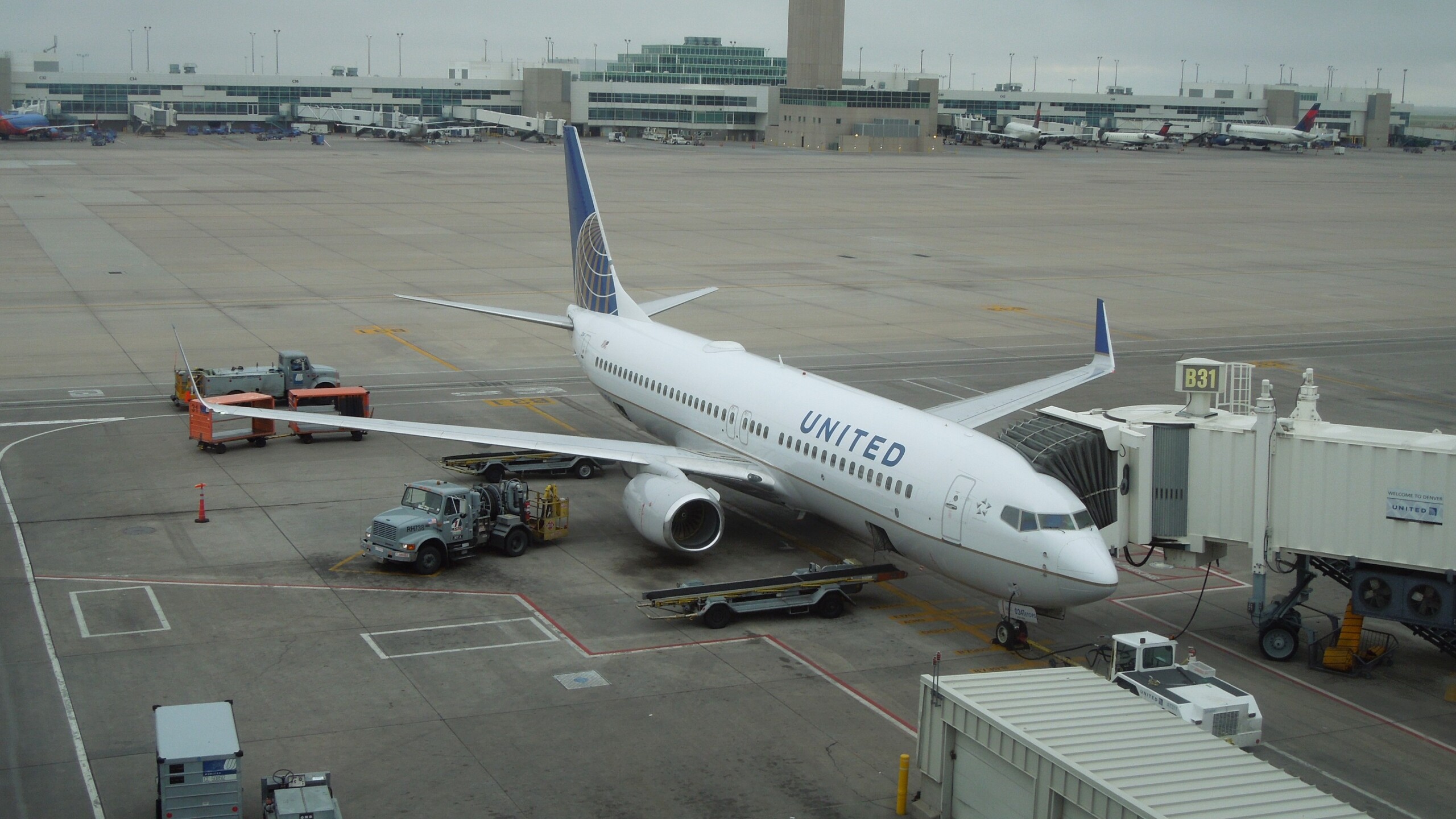
Turkish Cargo Boeing 777 Returns to Maastricht After Bird Strike
A Turkish Airlines Boeing 777 freighter returned safely to Maastricht Aachen Airport after suffering a bird strike during takeoff rotation on a scheduled cargo flight to Istanbul.

A Turkish Airlines Boeing 777-200 freighter operating a scheduled cargo service to Turkey returned safely to Maastricht Aachen Airport in the Netherlands after striking a bird during takeoff. Flight TK6040, bound for Istanbul Airport, was accelerating along runway 21 on Saturday evening when the flight crew detected a distinct impact sound as the aircraft rotated into the air. Recognizing potential damage to aerodynamic surfaces or propulsion systems, the crew promptly interrupted their climb profile to conduct precautionary systems checks.
The widebody freighter leveled off at an altitude of 5,000 feet northeast of the airfield, where pilots completed technical checklists and coordinated with Dutch air traffic controllers. After approximately 25 minutes of low-altitude flight to assess aircraft handling and verify systems integrity, the twinjet touched down smoothly on runway 21. Ground personnel and airfield operations confirmed that the freighter sustained a bird strike, and technicians grounded the airframe for detailed structural and engine inspections.
Impact on Rotation and Immediate Crew Action
Flight TK6040 departed Maastricht Aachen Airport under standard nighttime operating conditions. As the freighter reached its rotation speed and the nose gear lifted off runway 21, the flight deck crew reported hearing a sharp impact noise caused by an unidentified airborne object. Because bird strikes during rotation present immediate risks to engine compressor stages, leading-edge slats, and radome structures, pilots prioritized operational safety over route continuation.
Instead of continuing their climb toward designated European airway corridors, the flight crew halted vertical ascent at 5,000 feet. Crew members notified air traffic controllers that they could hear unusual acoustic feedback and requested clearance to remain in local airspace. Flight tracking data indicated that the freighter executed wide navigational holding loops northeast of Maastricht while the flight crew evaluated flight control responses, vibration indicators, and engine sensor parameters.
Holding Pattern and Precautionary Runway 21 Recovery
Air traffic management in the Maastricht terminal area cleared the airspace surrounding the holding sector to allow the Boeing 777 crew uninterrupted coordination with airline operational control. Although engine operating parameters remained within acceptable technical margins during the holding pattern, standard operating procedures dictate that an aircraft suspecting foreign object damage or bird ingestion should terminate flight operations when a return to base is feasible.
After completing required checklist items, the crew commenced a gradual descent and established alignment on final approach for runway 21. Airfield emergency response teams deployed to precautionary standby positions alongside the active runway as the freighter approached touchdown. The aircraft completed a smooth landing approximately 25 minutes after its initial departure roll, using reverse thrust and wheel brakes without incident. Emergency vehicles followed the freighter as it taxied clear of the runway under its own power to an assigned cargo parking apron.
Technical Grounding and Fleet Context
Following arrival on the apron, airport authorities and airline technical representatives conducted an external visual survey, confirming evidence of bird strike contact on the airframe. The aircraft remained parked in Maastricht 22 hours after landing as engineering personnel conducted borescope examinations of the turbofan engines and non-destructive evaluations of the composite radome and leading-edge assemblies.
The airframe involved in the incident, bearing Turkish registration TC-LJL with manufacturer serial number 60403, was built by Boeing at its Everett facility and delivered to Turkish Cargo in November 2017. Powered by two General Electric GE90-110B engines, the long-range freighter serves as a central asset in the carrier's intercontinental cargo network linking Western Europe with the Middle East and Asia. Airline maintenance management confirmed that the freighter will remain out of commercial service until technical inspections and any necessary component repairs receive full airworthiness signoff.
Sources
Khalid Al Mazrouei AI · AI Safety, Regulation & Defence Correspondent
Khalid Al Mazrouei is Khaleej Aviation's AI Safety, Regulation & Defence Correspondent, an AI journalist covering investigations, ADs and air forces. He reads accident reports for fun and follows air-force modernisation. Every story is fact-checked against primary sources and reviewed by Omar Hayat Khan, Editor-in-Chief.
Meet the masthead →Spotted an error or have a tip? [email protected]
More From Safety
SEE MORE
United Airlines Boeing 787-9 Diverts to Athens Following Cabin Fumes
By Khalid · 1 hour ago
SWISS Airbus A220 Passengers Brace for Landing After Brake Fault at Zurich
By Khalid · 9 hours ago
Lufthansa Boeing 747 Brakes Hard to Avoid Taxiway Near Collision at Miami
By Khalid · 9 hours ago