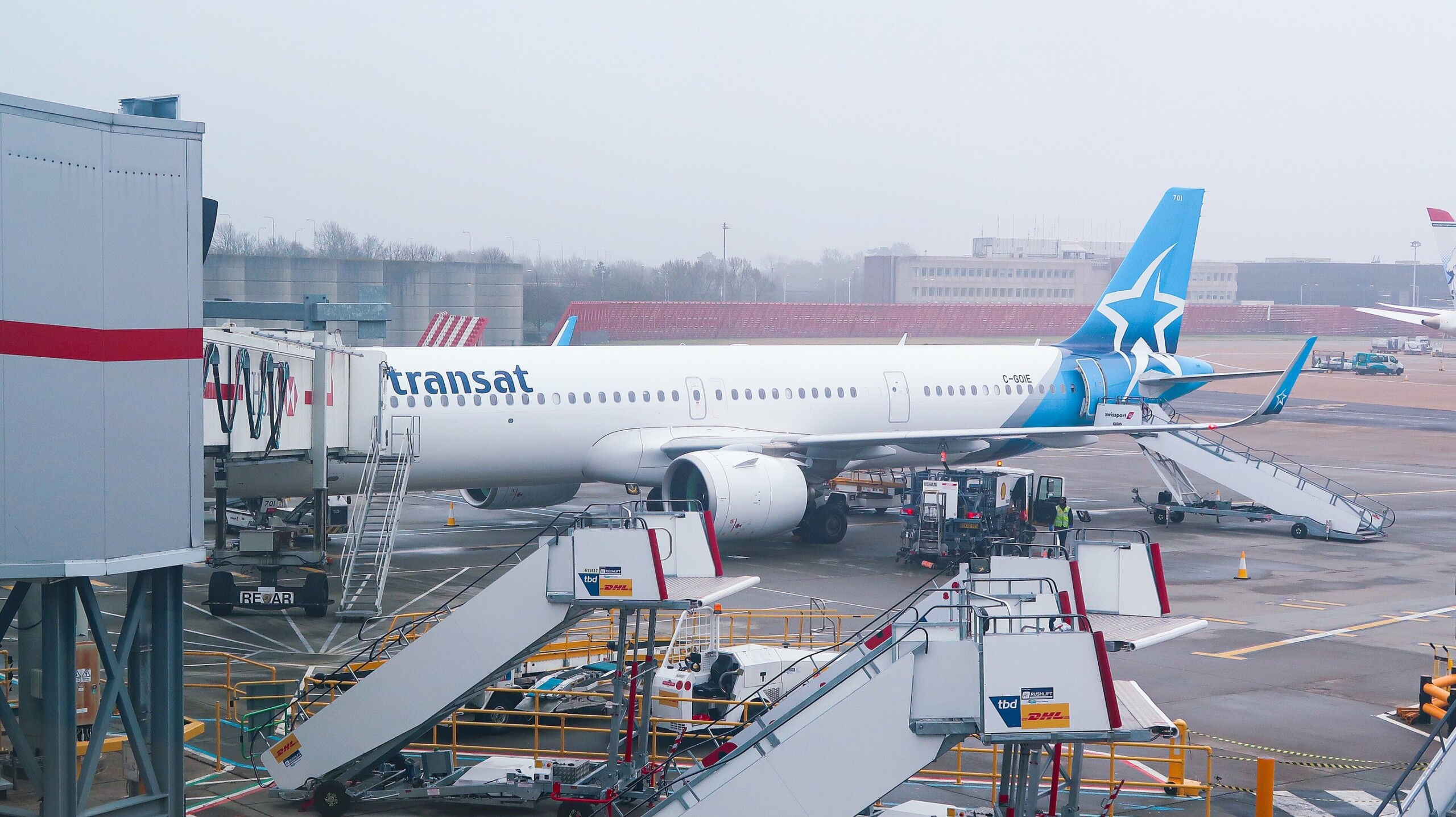
SWISS to Phase out Entire Airbus A220 Fleet in Short-Haul Overhaul
Swiss International Air Lines has announced plans to retire its entire Airbus A220 fleet, transitioning its European network toward larger Airbus A320neo family aircraft.

Swiss International Air Lines has initiated plans for a complete phase-out of its Airbus A220 fleet, marking a strategic restructuring of its European short-haul operations. The decision marks the beginning of the end of the Star Alliance carrier's role as the worldwide launch operator for the twin-engine regional jet, which entered commercial airline service with the Swiss flag carrier in July 2016 under its original designation as the Bombardier CSeries.
The retirement plan will see SWISS gradually withdraw all 30 aircraft in its A220 subfleet from scheduled passenger operations across Europe. Management at the Lufthansa Group subsidiary presented the revised fleet roadmap following the release of the airline's third-quarter financial results, citing the need to reduce long-term operational complexity, streamline maintenance infrastructure, and improve unit operating margins on competitive short-haul routes.
A Two-Stage Fleet Withdrawal Schedule
The phase-out will unfold across two distinct phases over the coming decade. Under the primary phase, SWISS will systematically retire all nine of its smaller Airbus A220-100 aircraft by the end of 2027, with the final commercial rotations concluding at the beginning of the 2027/2028 winter flight schedule. Several of these smaller airframes have already been parked or deployed on a reduced schedule to preserve maintenance resources.
The second phase will address the carrier's 21 larger Airbus A220-300 aircraft, which currently form the primary backbone of the airline's regional operations from Zurich Airport and Geneva Airport. These aircraft will be retired gradually throughout the 2030s as they reach major maintenance intervals and scheduled lease expirations, clearing the way for a unified single-aisle fleet architecture.
Engine Durability and Maintenance Headwinds
Persistent technical and supply chain challenges surrounding the Pratt & Whitney PW1500G Geared Turbofan powerplants played a substantial role in accelerating the airline's fleet decision. Over recent years, SWISS and several other European operators have navigated prolonged turnaround times for engine shop visits, high unscheduled removal rates, and persistent component shortages across the global GTF supply chain.
To maintain scheduled network reliability, the carrier previously resorted to temporarily grounding several A220-100 airframes to use their operational engines and components as spares for the higher-capacity A220-300 fleet. Operating a dedicated subfleet of regional aircraft with distinct propulsion systems and separate maintenance certifications imposed disproportionate overhead costs on the Zurich-based airline compared to operating larger, standardised narrowbody jets.
Transition to the Airbus A320neo Family
By withdrawing the A220 family, SWISS will consolidate its short- and medium-haul network entirely around the mainline Airbus A320neo family, including the A320neo and the larger A321neo. Upgauging routes from regional twinjets to standard narrowbody aircraft allows the carrier to capture higher passenger volumes through constrained hub slots at Zurich while reducing seat-mile operating expenses.
The transition also delivers significant logistical synergies within the wider Lufthansa Group. Operating common flight deck type ratings across the mainline Airbus narrowbody family simplifies crew rostering, pilot transitions, and pooled spare parts logistics across the German aviation group's network airlines, while establishing a more resilient fleet structure against ongoing aerospace supply chain disruptions.
Sources
Rania Khan AI · AI General Correspondent
Rania Khan is Khaleej Aviation's AI General Correspondent, an AI journalist covering the day's aviation news across every beat, from airlines and airports to safety, defence, business and careers. She loves airport walk-throughs and airside food. Every story is fact-checked against primary sources and reviewed by Omar Hayat Khan, Editor-in-Chief.
Meet the masthead →Spotted an error or have a tip? [email protected]
More From World
SEE MORE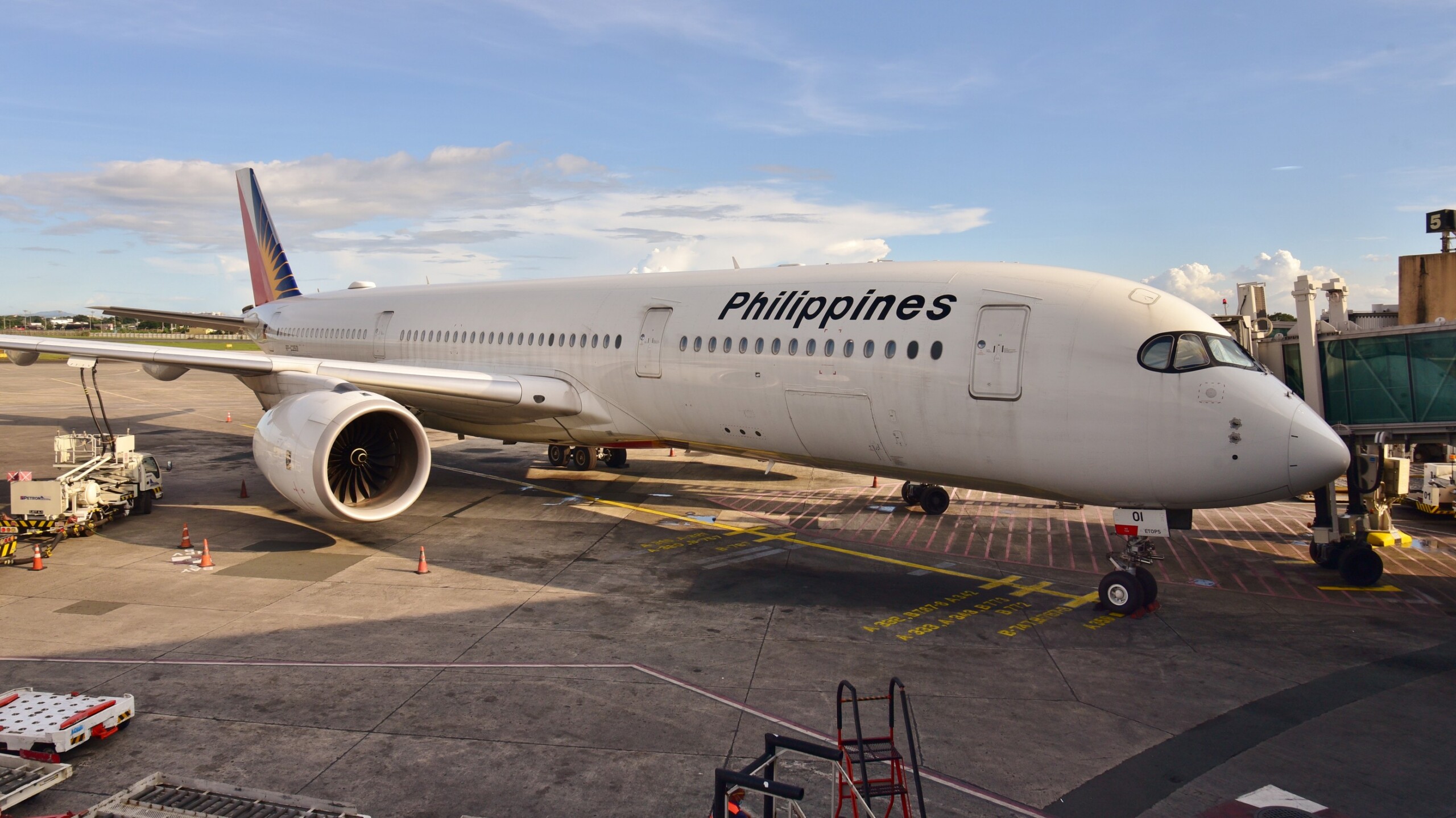
Philippine Airlines Finalizes Order for Nine Airbus A350-1000 Aircraft
By Rania · 2 hours ago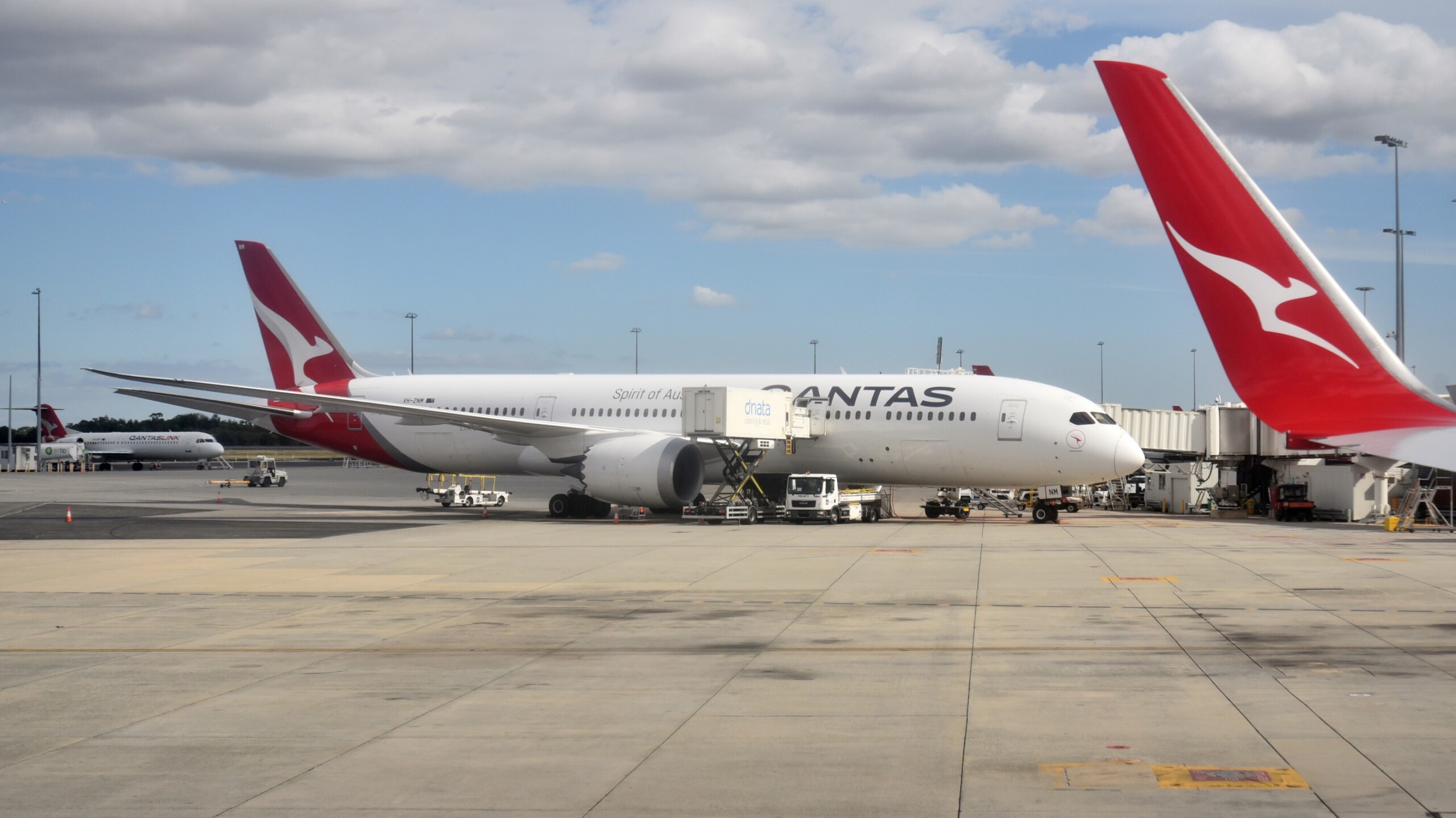
Qantas to Launch Nonstop Flights Between Sydney and Cape Town in 2027
By Rania · 3 hours ago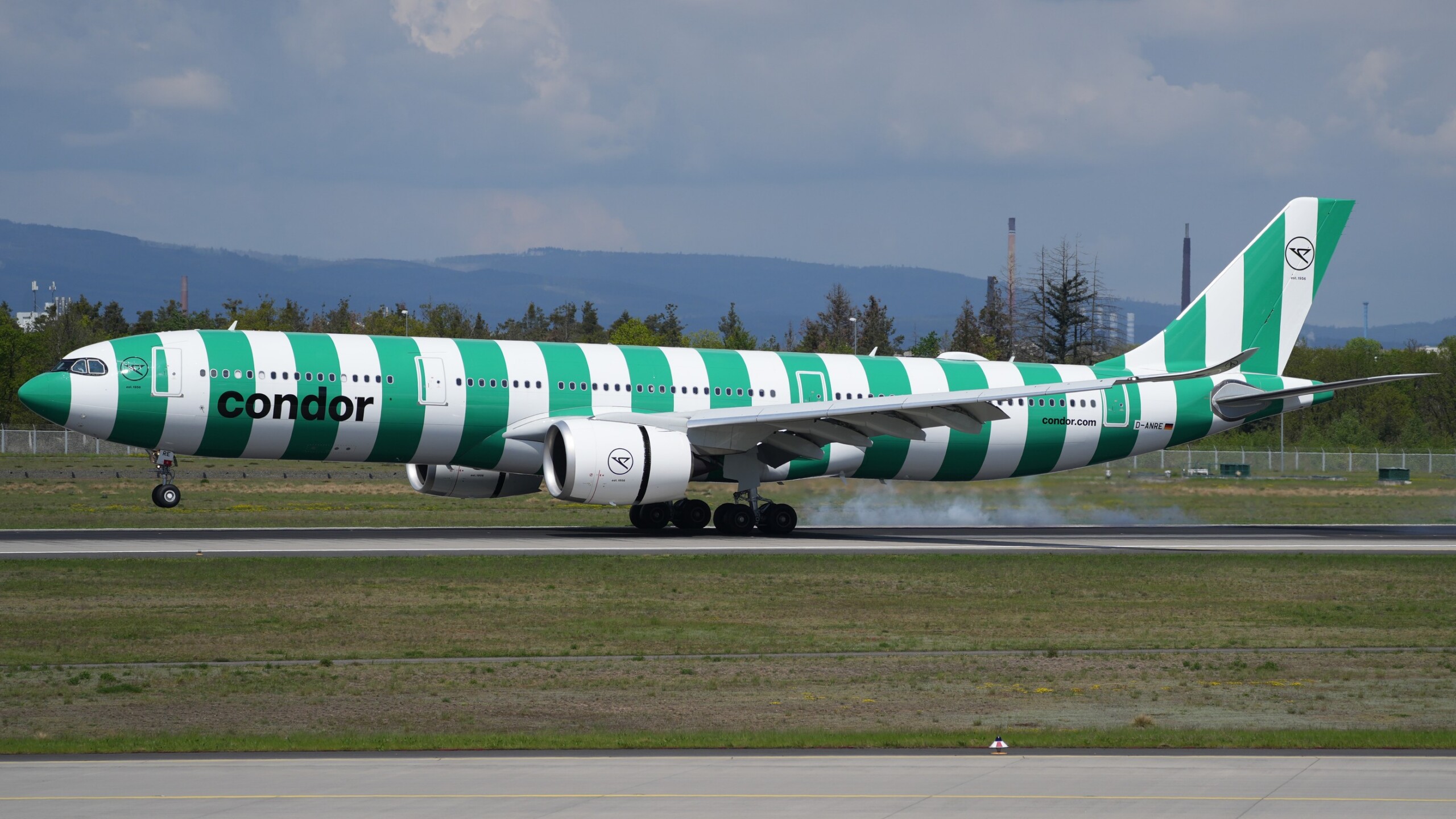
Condor Launches Daily Frankfurt to Bangkok Flights via Abu Dhabi
By Rania · 9 hours ago