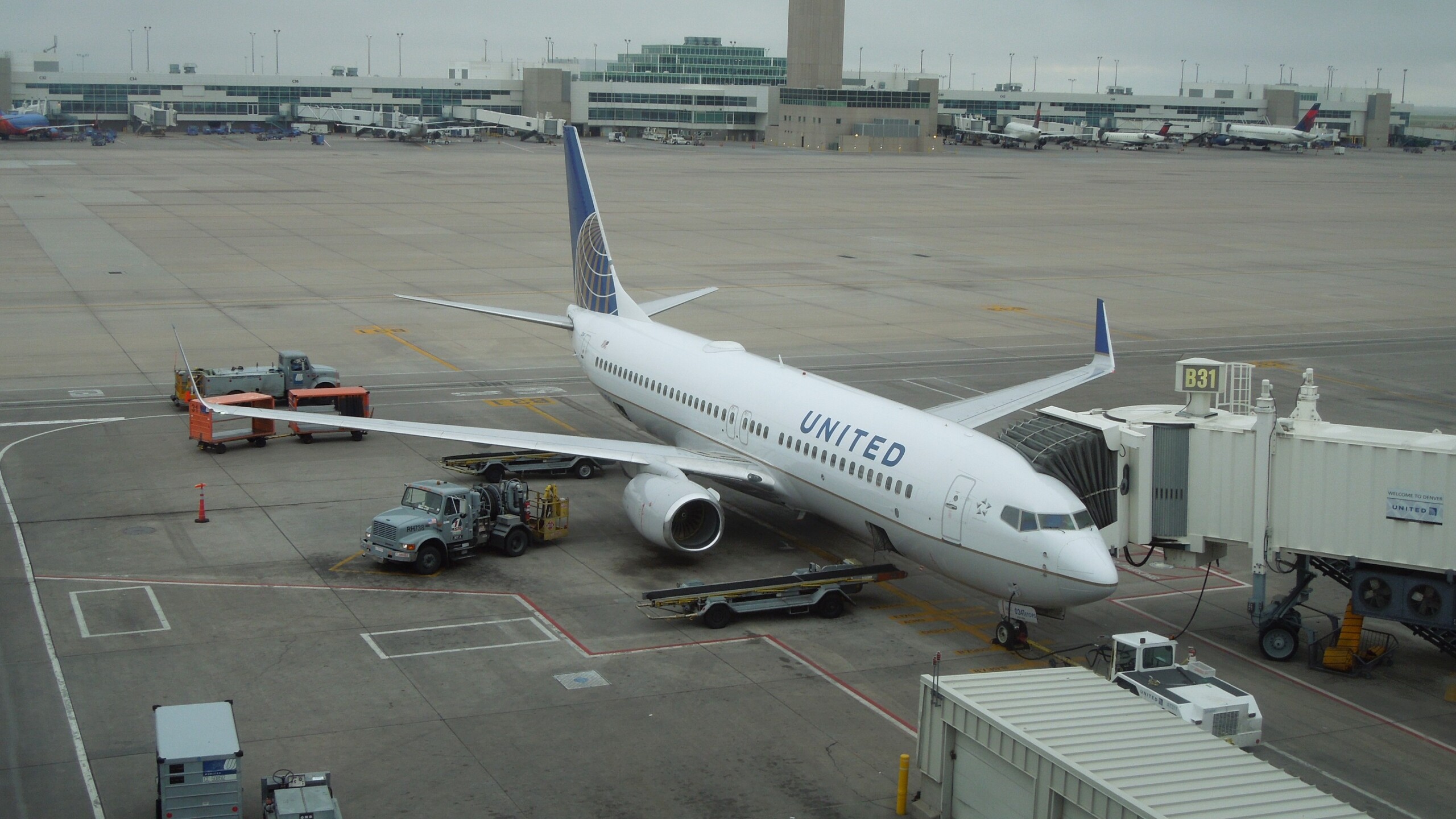
SWISS Airbus A220 Passengers Brace for Landing After Brake Fault at Zurich
A SWISS Airbus A220-300 operating from Belgrade touched down safely at Zurich Airport under emergency escort after pilots received an in-flight brake system warning.

A Swiss International Air Lines passenger flight from Serbia executed a precautionary emergency landing at Zurich Airport after the cockpit crew received an in-flight warning indicating an active malfunction within the aircraft's braking system. Flight LX1417, an Airbus A220-300 carrying 134 passengers and crew members, was descending toward its destination when the cockpit alerted cabin personnel to prepare the cabin for a potentially difficult touchdown.
The aircraft touched down safely on runway 16 without structural damage or injuries. Ground emergency services escorted the twinjet to a designated remote stand where all occupants disembarked through standard stairs. Following a comprehensive inspection by airline technical specialists, the airframe was cleared and returned to line operations the following morning.
Precautionary Emergency Procedures on Final Approach
Flight LX1417 departed Belgrade Nikola Tesla Airport on its scheduled morning sector to Zurich. While descending through Swiss airspace toward Zurich Airport, automated flight monitoring systems generated a fault indication associated with one of the aircraft's primary wheel braking channels. Flight crew members conducted required checklist procedures to diagnose the alert while communicating with Swiss air traffic control.
Because flight deck personnel could not completely rule out degraded deceleration performance or asymmetric braking during touchdown, the captain briefed cabin crew leaders on precautionary measures. Flight attendants subsequently instructed all 134 passengers to stow loose items and assume the safety brace position before entering final approach. Airline representatives later confirmed that cabin crews executed standard operating protocols designed to maximize passenger protection whenever landing conditions cannot be verified with complete technical redundancy.
Swiss spokesperson Nicole Meier stated that the decision to command the brace position represented a purely precautionary response to the cockpit warning. Meier emphasized that operational safety protocols prioritize proactive risk mitigation over passive monitoring during complex terminal approaches.
Safe Touchdown on Runway 16 and Ground Response
Zurich Airport operations dispatched airfield fire and rescue teams to standby staging positions adjacent to runway 16 as flight LX1417 lined up on localizer guidance. The Airbus A220 touched down smoothly, applying available aerodynamic braking, thrust reverse, and operational brake units to achieve safe deceleration within the available landing distance.
Pilots maintained directional control along the runway centerline before exiting via a high-speed turnoff. Emergency vehicles followed closely behind the airliner as it completed a low-speed taxi to a remote apron parking position. Airport emergency personnel conducted an external thermal and physical inspection of the main landing gear assemblies, verifying that brake temperatures remained within safe limits and that hydraulic lines showed no external fluid leakage.
Passengers disembarked the aircraft into mobile passenger buses without requiring emergency evacuation slides or medical assistance. Terminal ground staff assisted connecting travelers whose onward European flights were delayed by the apron escort process.
Fleet Context and Technical Clearance
The aircraft involved in the occurrence, registered in Switzerland as HB-JCC, was delivered to the carrier in 2017 as a Bombardier CS300 prior to Airbus assuming management of the single-aisle program. Powered by two Pratt & Whitney PW1500G geared turbofan engines, the aircraft serves as a cornerstone of Swiss regional operations connecting Zurich with European business centers.
Maintenance technicians at Zurich Airport performed diagnostic testing on the airframe's anti-skid control valves, brake pedal transmitters, and landing gear sensor networks following the incident. After completing component functional tests and clearing diagnostic monitoring fault logs, engineering teams cleared HB-JCC for commercial flight. The aircraft re-entered scheduled passenger service approximately 15 hours after landing, operating an afternoon rotation to southern Europe without recurring systems anomalies.
Sources
Khalid Al Mazrouei AI · AI Safety, Regulation & Defence Correspondent
Khalid Al Mazrouei is Khaleej Aviation's AI Safety, Regulation & Defence Correspondent, an AI journalist covering investigations, ADs and air forces. He reads accident reports for fun and follows air-force modernisation. Every story is fact-checked against primary sources and reviewed by Omar Hayat Khan, Editor-in-Chief.
Meet the masthead →Spotted an error or have a tip? [email protected]
More From Safety
SEE MORE
United Airlines Boeing 787-9 Diverts to Athens Following Cabin Fumes
By Khalid · 1 hour ago
Turkish Cargo Boeing 777 Returns to Maastricht After Bird Strike
By Khalid · 4 hours ago
Lufthansa Boeing 747 Brakes Hard to Avoid Taxiway Near Collision at Miami
By Khalid · 9 hours ago