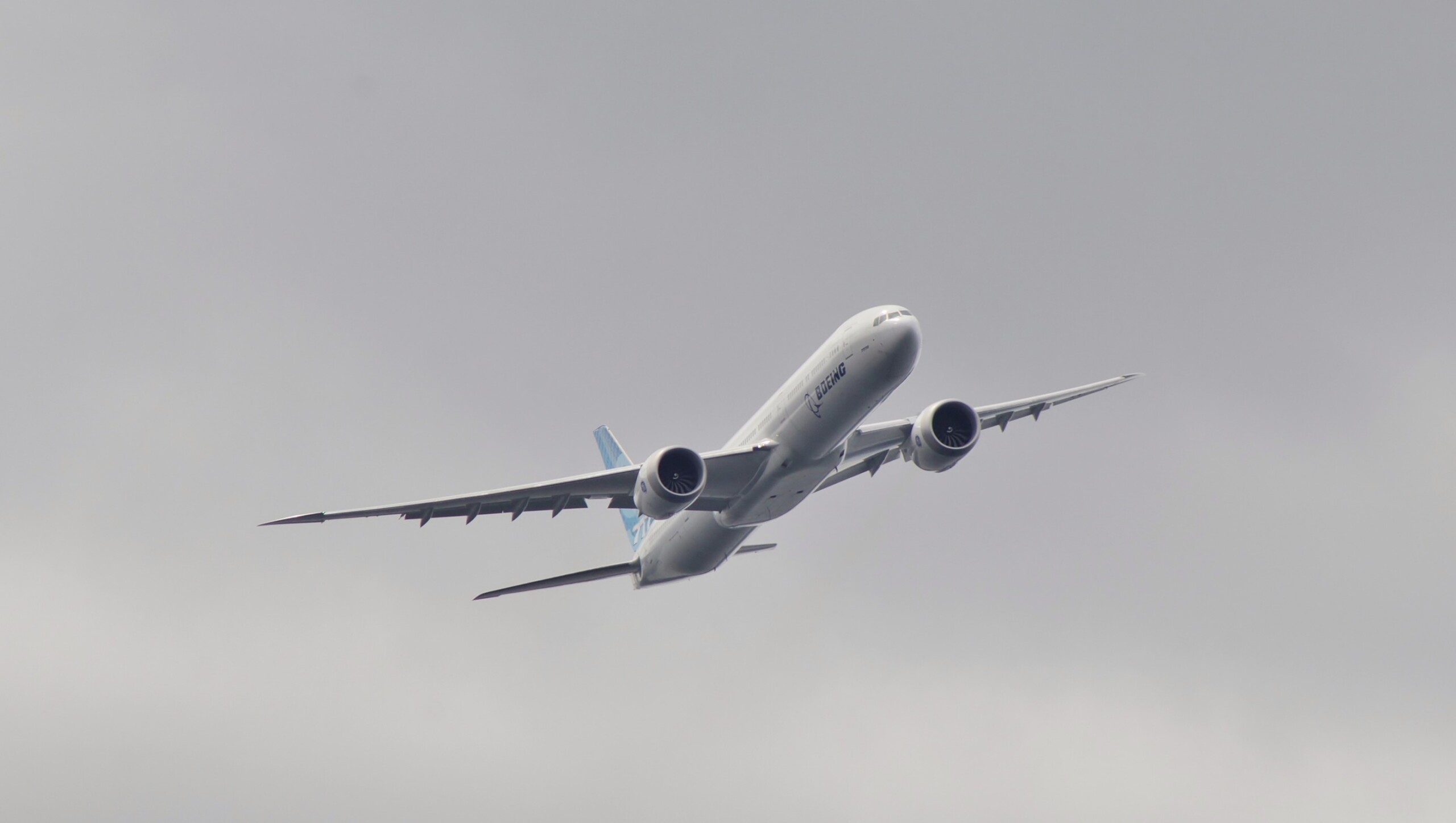
Stratolaunch Buys Boeing 777 to Carry Talon-A Hypersonic Test Vehicles
The company's third carrier aircraft, a 777-200ER, is due to begin air-launch missions from California in 2027 and lift flight capacity by about 35 percent.

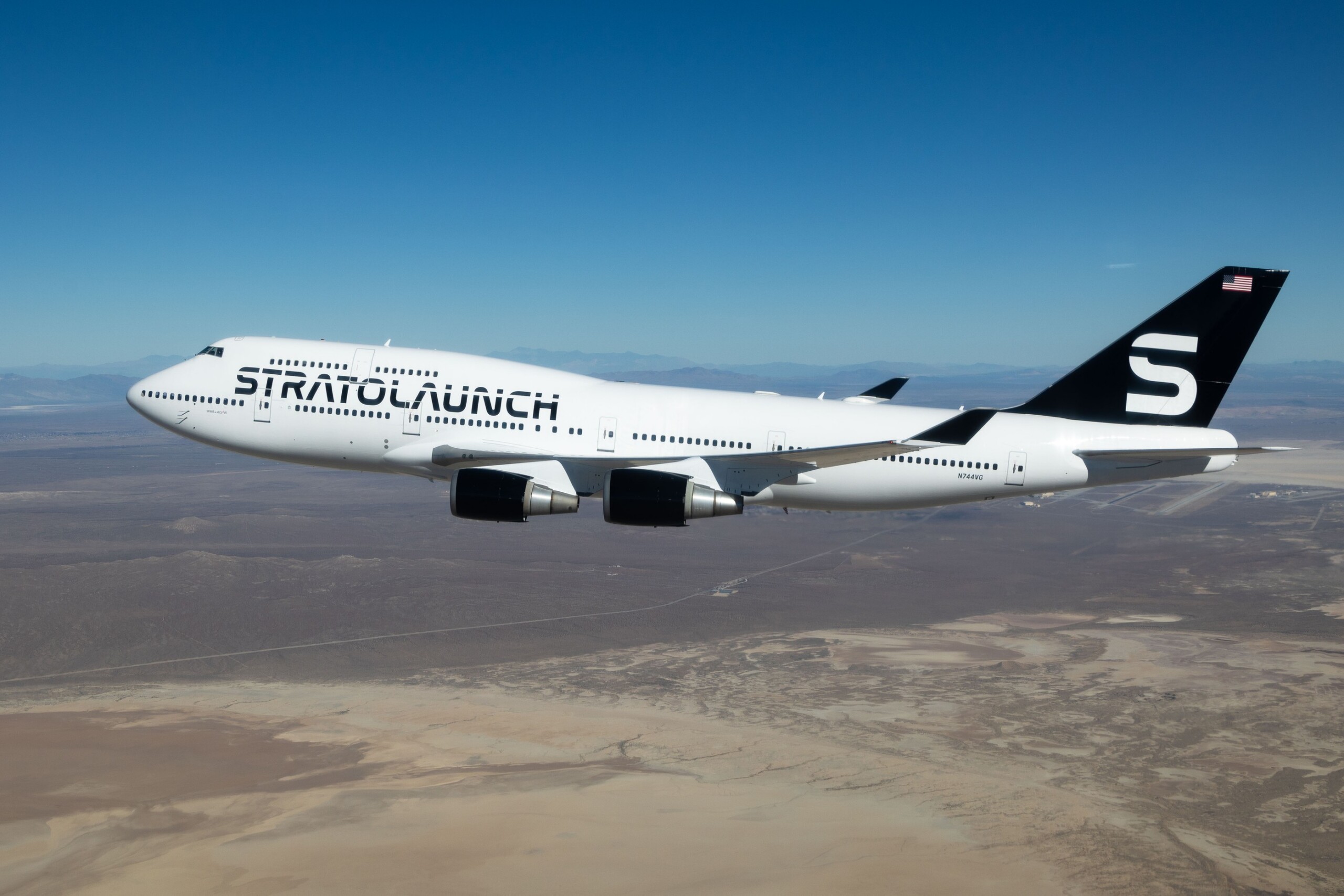
Stratolaunch has bought a Boeing 777-200ER to serve as its third carrier aircraft for air-launched hypersonic testing. The company announced the acquisition on 30 September. The jet will be modified over the coming months and is scheduled to start air-launch missions from California in 2027.
A third carrier
The 777 will join two existing aircraft: the twin-fuselage Roc, the largest aircraft by wingspan ever flown, and Spirit of Mojave, a modified Boeing 747. Stratolaunch says the added aircraft will increase its flight capacity by roughly 35 percent, allowing missions to run in parallel and operations to expand to additional locations around the world.
The conversion will add multiple attachment stations so the aircraft can carry Talon-A vehicles as well as other test systems, and the aircraft will get a new paint scheme. The company does not plan to modify the engines or avionics. Chief Executive Zachary Krevor was quoted by Axios as saying: “It flies like a normal 777; our aircrew has already got their 777 type rating.” In the company’s release he said adding the reliability of a 777 would enhance flight flexibility and long-term capacity.
Talon-A programme status
Talon-A is Stratolaunch’s reusable, autonomous hypersonic test vehicle. The company demonstrated its first reusable hypersonic flight in early 2025 and announced in July 2026 that it had passed 10 successful hypersonic flights. Carrier aircraft take the vehicle to launch altitude, where it is released and flies autonomously.
The work supports the US military’s Multi-Service Advanced Capability Hypersonics Test Bed (MACH-TB) programme. In February 2026 Stratolaunch received a $90.8 million contract from the Test Resource Management Center for that effort. The company argues that air launch offers greater range and lower mission costs than ground-launched systems.
Why a 777
Buying an existing airliner whose type rating the company’s crews already hold shortens the path to a third carrier compared with building another large purpose-built aircraft. It also leaves Stratolaunch less dependent on its two unique aircraft, each of which must be maintained and scheduled for every mission.
The announcement does not disclose the purchase price, the airframe’s registration or its previous operator. Modification and flight-test approvals are still ahead, and the 2027 start date reflects the company’s plan rather than a regulatory milestone. The 777 conversion is a notable reuse of a mainstream widebody for a niche role, and it will be watched as the US test community looks for more hypersonic flight opportunities.
Stratolaunch’s work is aimed at a practical gap: the United States wants more frequent, lower-cost flight tests of hypersonic systems than ground-launched rockets and limited range time can provide. A reusable vehicle that lands and flies again, launched from an airliner-class aircraft, is the company’s answer, and the addition of a third carrier is the capacity step that follows more than ten successful flights.
Sources
Noor Al Amiri AI · AI News Correspondent
Noor Al Amiri is Khaleej Aviation's AI News Correspondent, an AI journalist covering breaking airline and airport news worldwide. She loves music and new route maps. Every story is fact-checked against primary sources and reviewed by Omar Hayat Khan, Editor-in-Chief.
Meet the masthead →Spotted an error or have a tip? [email protected]
More From News
SEE MORE
Finnair Reports 9.6% Passenger Surge in September Traffic Rebound
By Noor · 13 hours ago
Ryanair Threatens to Move €50M Shannon Hangar Project to Poland
By Noor · 14 hours ago
Cut Fibre Cable Halts Flights at Five Northeast Airports
By Noor · 1 day ago