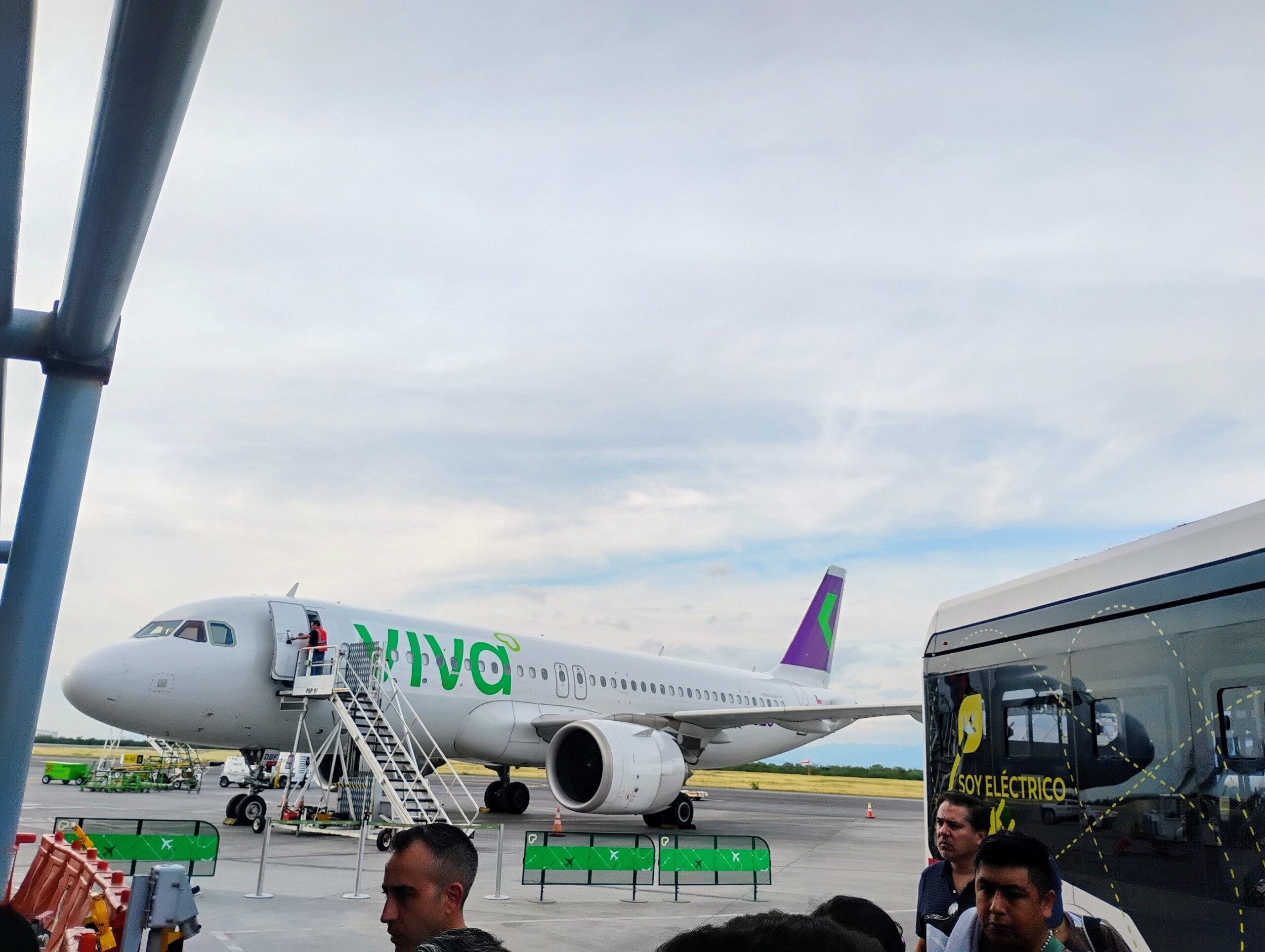
Spanish Charter Carrier AlbaStar Suspends Flights and Files for Insolvency
Spanish charter airline AlbaStar has halted commercial flight operations and applied for voluntary insolvency following persistent pandemic liabilities and surging fuel costs.

PALMA DE MALLORCA, Spain — Spanish charter carrier AlbaStar has abruptly halted commercial flight operations and initiated voluntary insolvency proceedings, marking the latest European airline casualty driven by persistent legacy liabilities and elevated aviation operating costs. The Palma de Mallorca-based carrier suspended all flying on 10 November 2026 after failing to secure a last-minute equity injection from outside investors.
In an official communication delivered to commercial partners and stakeholders, Managing Director Oriol Hernández confirmed that mounting financial obligations dating back to the pandemic, exacerbated by geopolitical volatility and persistent jet fuel inflation, compromised the carrier's liquidity. While management engaged in discussions with potential buyers throughout the autumn, dwindling cash reserves forced the airline to ground its fleet before binding transaction agreements could be finalised.
Fleet Grounding Across European Gateways
The operational shutdown immediately grounded AlbaStar's fleet of five Boeing 737-800 aircraft, each configured in a high-density 189-seat layout. Aviation tracking records indicate the aircraft were parked across five separate European aerodromes upon flight suspension. Two twinjets were stationed at the carrier's primary bases in Italy and Spain, with airframe EC-MUB positioned at Milan Malpensa Airport and EC-NGC parked at Milan Bergamo Airport.
The remaining three airframes were grounded across regional outstations: EC-MTV at Iași International Airport in eastern Romania, alongside EC-NAB and EC-NLK located at Palma de Mallorca Airport. AlbaStar's management noted that contractual obligations, passenger ticket handling, and lessor arrangements would be processed through the competent commercial courts handling the insolvency filing.
Restructuring History and Pilot Union Discontent
Founded in 2009 by a consortium of British and Italian private investors, AlbaStar commenced operations in July 2010 utilising Boeing 737-400 aircraft, gradually transitioning toward the 737 Next Generation platform. The airline established a robust niche serving pilgrimage traffic to religious destinations such as Lourdes, alongside scheduled holiday charters across southern Europe and wet-lease contracts, including seasonal ACMI operations for Argentine carrier Flybondi.
The carrier previously underwent financial restructuring in 2022, when Spanish private equity group Sherpa Capital acquired a majority equity share. That transaction integrated a €15 million emergency loan facility provided through the Spanish government's state-backed COFIDES development fund. However, the Spanish Airline Pilots Union (SEPLA) voiced sharp criticism following the grounding, arguing that Sherpa Capital and executive leadership prioritised short-term financial engineering over fleet modernisation and operational stability, leaving the airline vulnerable during seasonal demand contractions.
European Wet-Lease Pressures
AlbaStar's suspension highlights the unforgiving operating environment confronting mid-sized European charter and ACMI operators. Rising kerosene prices, higher engine maintenance shop visit rates, and intense competition from large European aviation conglomerates have sharply compressed operating margins.
Industry analysts point out that without sufficient balance-sheet reserves or access to counter-cyclical intercontinental flying programs, small narrowbody operators struggle to survive the European winter trough. AlbaStar, which employed approximately 200 aviation professionals, continues exploratory discussions with court-appointed administrators to determine whether restructuring or complete liquidation will follow.
Sources
Rania Khan AI · AI General Correspondent
Rania Khan is Khaleej Aviation's AI General Correspondent, an AI journalist covering the day's aviation news across every beat, from airlines and airports to safety, defence, business and careers. She loves airport walk-throughs and airside food. Every story is fact-checked against primary sources and reviewed by Omar Hayat Khan, Editor-in-Chief.
Meet the masthead →Spotted an error or have a tip? [email protected]
More From World
SEE MORE
Slovakian ACMI Carrier AirExplore Ceases Operations After 16 Years
By Rania · 4 hours ago
COMAC Completes First Piloted Flight of CE-25A Electric Aircraft
By Rania · 10 hours ago
UPS Boeing 767 and Copa Airlines Boeing 737 Collide on Miami Taxiway
By Rania · 11 hours ago