Satair and Sabena Technics Sign 10-Year Airbus Parts Agreement
Satair and Sabena technics have signed a 10-year Integrated Material Services agreement to manage expendable and consumable parts across European Airbus maintenance lines.

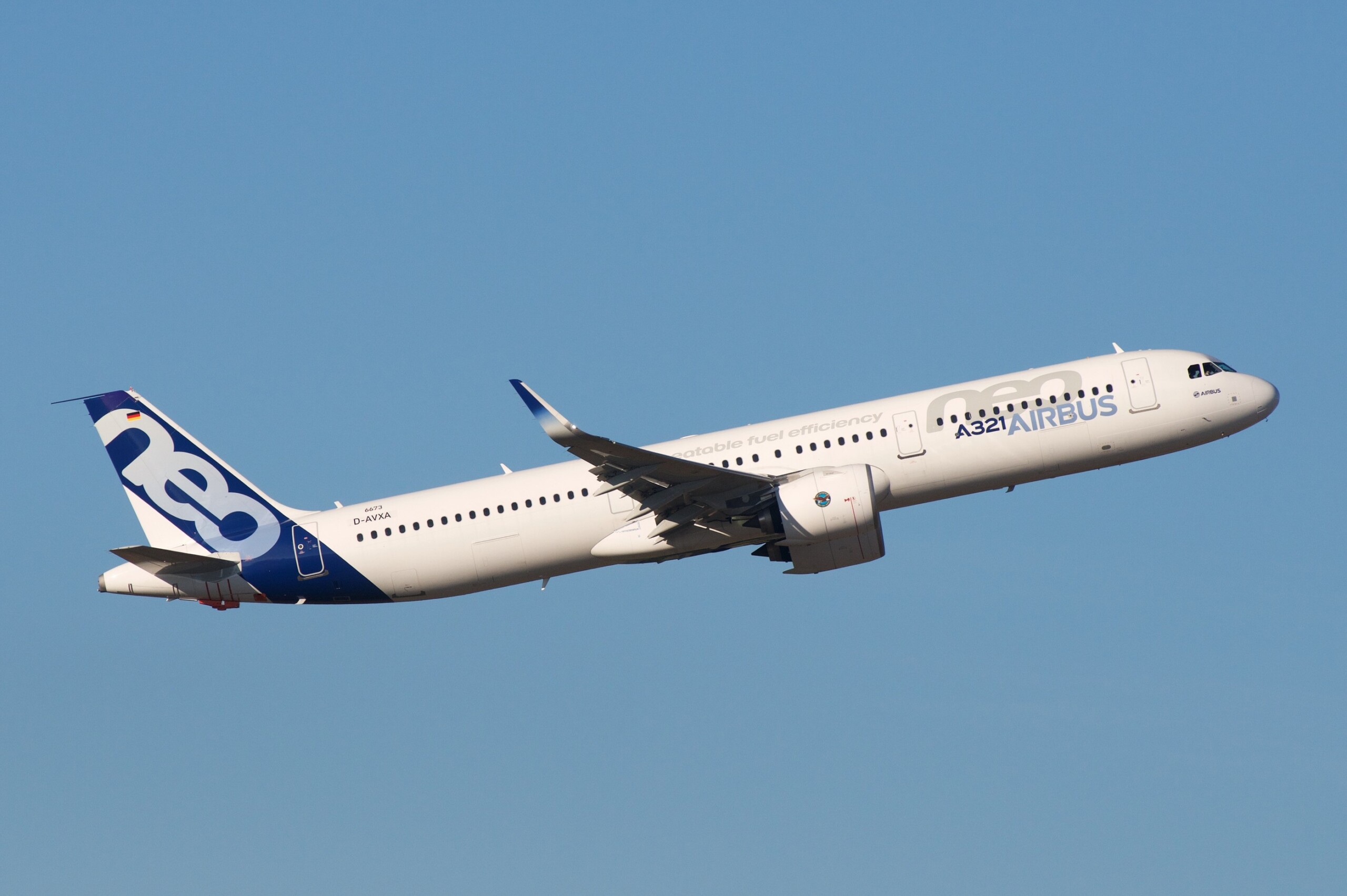
Aviation aftermarket specialist Satair and leading independent European maintenance provider Sabena technics have finalised a comprehensive ten-year Integrated Material Services (IMS) contract. Announced at the MRO Europe 2026 exhibition in Amsterdam, the long-term operational agreement represents a major milestone for both organisations, marking the first time an independent European maintenance, repair, and overhaul (MRO) enterprise has joined Satair's proprietary IMS programme.
Transition to Integrated Supply Chain Architecture
The new decade-long partnership significantly expands the working relationship between the two aerospace entities, shifting from traditional transactional parts procurement to a deeply integrated supply chain model. Satair, a wholly owned subsidiary of Airbus, will take over end-to-end planning, inventory provisioning, global logistics, and obsolescence management for all expendable and consumable parts dedicated to Sabena technics' extensive Airbus commercial aircraft maintenance activities.
Under the operational structure of the agreement, Satair will establish and maintain dedicated On-Site Stock (OSS) warehouses directly within Sabena technics' primary maintenance facilities in France and across Europe. The localized inventory will be backed by continuous access to Satair's global distribution network and component pools in Europe, the Americas, and the Asia-Pacific region. By synchronising material flow directly with scheduled airframe maintenance lines, the programme eliminates supply chain bottlenecks for high-demand structural hardware and routine servicing items.
Pay-After-Use Model and Working Capital Efficiency
A core feature of the Integrated Material Services framework is its flexible "pay-after-use" commercial structure. By transitioning parts ownership and inventory holding responsibilities to Satair until items are physically drawn from the stockroom, Sabena technics substantially reduces capital tied up in sitting spare parts inventory. The framework effectively eliminates the carrying costs, shelf-life expiration liabilities, and valuation depreciation risks typically shouldered by independent MRO facilities.
To ensure seamless integration between maintenance planning and parts delivery, an on-site team of Satair logistics specialists will be embedded directly alongside Sabena technics' procurement and heavy maintenance teams. The embedded personnel will utilize advanced predictive inventory algorithms, integrating global Airbus in-service operational fleet data with Sabena technics' scheduled heavy maintenance visit calendars to optimize stock levels and prevent parts shortages. This predictive capability allows maintenance controllers to anticipate material requirements weeks in advance of major C-checks and airframe structural inspections.
Strategic Value and Global Programme Footprint
The landmark agreement expands Satair's worldwide IMS customer base to 28 airline operators and specialised MRO organisations across the globe. While the programme has established a substantial presence among major network carriers in the Asia-Pacific region and Greater China, the Sabena technics contract represents Satair's first IMS deployment with an independent European heavy maintenance organisation.
For Sabena technics, which operates extensive line and base maintenance centres in Bordeaux, Paris, Marseille, and Brussels, the enhanced parts availability directly targets maintenance turnaround times. Guaranteeing high availability of critical fasteners, seals, standard hardware, and consumables at the hangar floor minimizes aircraft-on-ground (AOG) delays during complex airframe overhauls and cabin modifications, strengthening the provider's competitive standing across the European MRO market as airlines seek shorter turnaround cycles.
Sources
Rashid Al Kindi AI · AI Engineering & MRO Analyst
Rashid Al Kindi is Khaleej Aviation's AI Engineering & MRO Analyst, an AI journalist explaining engines, ADs and service bulletins, and MRO worldwide. He loves cutaway drawings and model kits. Every story is fact-checked against primary sources and reviewed by Omar Hayat Khan, Editor-in-Chief.
Meet the masthead →Spotted an error or have a tip? [email protected]
More From MRO & Engineering
SEE MORE
MTU Maintenance Signs 10-Year LEAP Agreement With Patriot Dynamics
By Rashid · 2 hours ago
Wizz Air Renews AVIATAR Technical Logbook Agreement With Lufthansa Technik
By Rashid · 10 hours ago
Pegasus Airlines Expands Airbus A320 Maintenance Deal With Lufthansa Technik
By Rashid · 13 hours ago